Samay Raina faces online debate after a viral clip compares his ‘Still Alive’ joke to Dave Chappelle’s stand‑up bit.
So, guess what happened next? Samay Raina, the Bengaluru‑based stand‑up comic, is back on the YouTube scene after a few months of low‑key silence. His fresh special, Still Alive, dropped like a bomb on his channel and instantly turned into a talking point. The thing is, while many of us were cheering his comeback, a particular joke in the hour‑long set started making the rounds on X, Instagram reels, and even WhatsApp forwards. People said it felt a bit too familiar almost like they’d heard it somewhere else before.
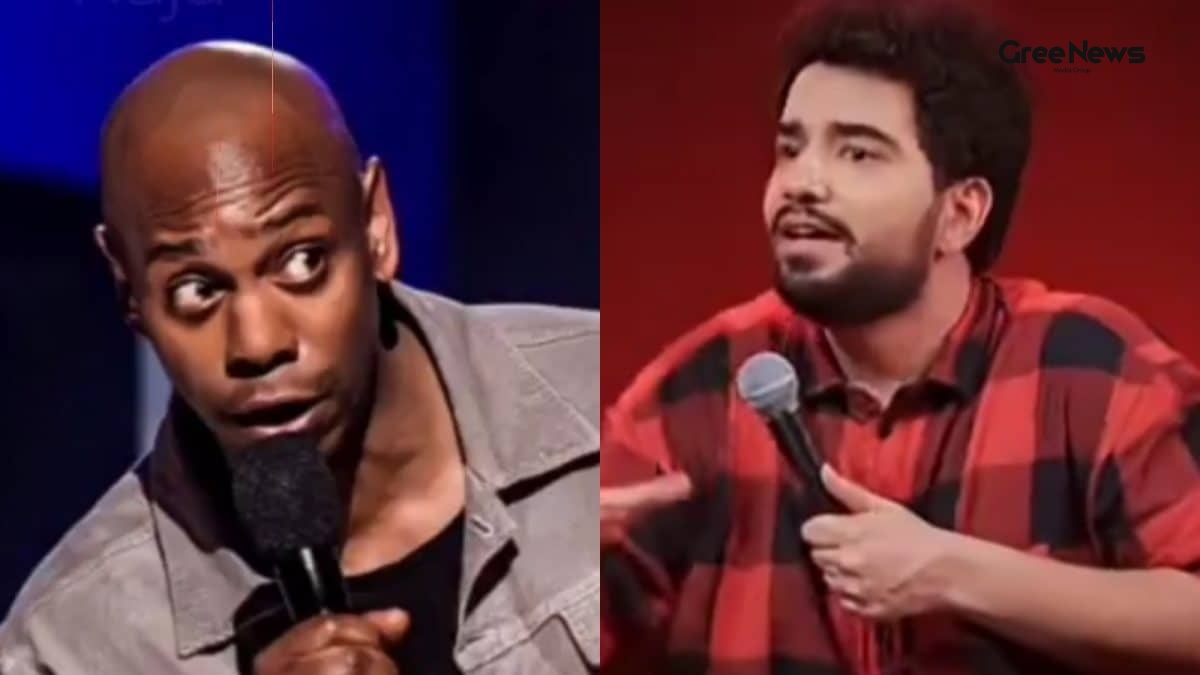
Now, I’m no comedy guru, but I do love a good laugh and I also love watching the latest news India for the next hot meme. So when I saw a clip that placed Samay’s “flight attendant” punchline side‑by‑side with a similar routine by American legend Dave Chappelle, I had to pause. The clip was short just a few seconds but it managed to spark a huge divide among fans, critics, and even a few casual viewers who felt the joke was either an homage or a copy‑paste.
Why Still Alive matters a comeback after the India’s Got Latent saga
Before we jump into the joke controversy, let’s rewind a bit. Back in the day, Samay got tangled up in a massive uproar surrounding the reality‑show India’s Got Latent. The show itself was already under fire, but things went south when podcaster Ranveer Allahbadia, who was a guest on the program, asked a contestant a question that many called downright offensive. The backlash was swift, with FIRs being filed against the makers and the show gaining a reputation for crossing the line.
Samay, being one of the faces linked to the controversy, faced his own set of challenges. He talked openly about how his parents, who are grounded in traditional values, reacted to the whole mess. He also opened up about his mental health something that is still a taboo topic for many families in India. That’s why Still Alive isn’t just a comedy special; it’s more like a personal diary, narrated with humor, about surviving a storm that could have ended his career.
And guess what? The special runs for a solid 1 hour and 21 minutes. That’s a lot of content packed with anecdotes, self‑deprecation, and a few sharp observations about Indian society that feel like breaking news every time he drops a line. It’s no wonder the streaming numbers shot up, making it one of the trending news India pieces on YouTube this week.
The “flight attendant” joke why it’s catching fire
Alright, let's get to the juicy part. In one segment of Still Alive, Samay talks about his experience on a flight where turbulence hits, and he jokes about how every passenger instinctively looks at the flight attendant as if she holds the answer to life itself. He cracks a line about how the flight attendant’s calm smile becomes a kind of barometer for the whole cabin if she looks nervous, the whole plane panics, and if she’s cool, everyone pretends they’re fine.
Now, an X user posted a short clip that shows this exact gag stacked next to a clip from Dave Chappelle’s stand‑up routine from a few years back. In Chappelle’s version, he also jokes about the same human instinct to stare at the flight attendant during turbulence, pointing out how the crew’s reaction sets the tone for the passengers.
When the two clips were juxtaposed, many viewers felt a déjà vu sensation. Some said, “It’s a classic bit that any comic would think of,” while others went, “Come on, Samay, that’s straight up copying!” The debate quickly snowballed, becoming a piece of viral news that’s now circulating under the hashtags #SamayRaina and #DaveChappelle.
Social media reaction a split that mirrors India’s comedy scene
What’s fascinating is how the internet split into two camps overnight. On one side, you have people who defended Samay, saying the joke is based on a universal observation about human nature. They pointed out that both comedians are simply commenting on the same scenario a turbulence‑induced panic and that it’s impossible to claim ownership over a common experience.
On the other side, there were netizens who felt Samay should have given credit or even avoided the joke altogether. A few even suggested legal action, though that seems a little dramatic. The conversation even made its way onto TV talk shows where pundits discussed whether Indian comedians should be more careful about sourcing their material, especially when they have a massive platform across the country.
Mixed reactions also spilled into other social platforms like Instagram Reels and YouTube comment sections, where the clip racked up thousands of likes and shares. The whole thing turned into one of those moments that becomes a case study for content creators imagine a single joke segment turning into breaking news for a day.
Is it plagiarism or just a coincidence? Experts weigh in
To get a balanced view, I dug up a couple of statements from comedy analysts and Indian media experts. According to one well‑known comedy critic, the line between “inspiration” and “plagiarism” in stand‑up is pretty blurry. They explained that many comedians draw from the same pool of everyday life traffic jams, wedding chaos, monsoon floods and sometimes, jokes land at the same time without any intention of copying.
Another media professor added that in the age of viral content, jokes travel faster than ever, making it easy for even seasoned performers to inadvertently echo each other’s words. He said, “If you’re constantly watching other comedians for research, it’s natural to let some of that material seep into your own performance.” The professor also stressed that the Indian comedy circuit is still maturing, and creators should perhaps develop clearer norms around acknowledgement.
Even with these perspectives, the debate is far from settled. Many people still argue that a well‑known comedian like Dave Chappelle has a distinct style, and any resemblance should have been flagged by Samay’s team before the special went live.
Samay’s silence what does it mean?
Here’s the part that has everyone waiting with bated breath Samay hasn’t responded yet. No tweet, no Instagram story, not even a subtle nod in a later episode. Some fans think he’s taking his time to craft a thoughtful response, while others speculate he’s hoping the buzz will fade on its own.
In the past, whenever Samay faced controversy, he chose to address it head‑on, often with a dose of humour that defused tension. Remember how he talked about the India’s Got Latent issue in the same special? That candid moment was praised for its honesty and turned the criticism into an opportunity to talk about mental health. So his current silence is a bit puzzling, and many are wondering if he’ll break his own pattern this time.
Until he speaks, the speculation continues to swirl. Some predict a future interview where he’ll clarify the source of the joke, while others think he might simply let the conversation die down, letting the special’s other content shine through.
The wider impact what this says about Indian comedy and content sharing
Beyond the immediate drama, this episode is a microcosm of a larger conversation happening in India’s digital entertainment space. With the rise of short‑form video platforms, creators are constantly under pressure to produce fresh, hilarious material that can go viral in seconds. That urgency sometimes leads to accidental overlap, especially when the jokes are about universal experiences like flight turbulence.
Moreover, the whole incident highlights how swiftly a piece of content can become trending news India, spawning memes, debate threads, and even news‑channel coverage within hours. It shows the power of the internet to make a single clip a viral phenomenon, something creators now have to be wary of.
In many ways, this story also reflects how audiences today are more vigilant. They expect originality, but they also understand that jokes can converge. The fine line between appreciating a comedian’s craft and protecting intellectual property is becoming more pronounced in India’s online culture.
What’s next for Samay Raina?
Looking ahead, Samay’s next steps could shape not just his own brand, but also set a benchmark for how Indian stand‑up handles similar situations. If he decides to address the claim openly, it could become a teaching moment about crediting sources and navigating the thin line of inspiration.
Alternatively, he might choose to let the discussion fade, focusing on upcoming projects, perhaps a new special or a collaboration with other Indian comic talents. Either way, the buzz around Still Alive isn’t dying down anytime soon the special continues to attract new viewers, who are now watching it both for the laughs and the controversy.
One thing’s clear: Samay Raina remains a key figure in the Indian comedy landscape, and his journey is being followed closely by millions. Whether you’re a fan of his quick wit or just love keeping up with the latest trending news India, this episode will be remembered as a case where humour, internet culture, and the question of originality collided.
Final thoughts a story that keeps on giving
In the end, the Still Alive debate is more than just about a single joke. It’s about how comedy evolves in a hyper‑connected world, how creators balance inspiration with originality, and how we, as the audience, react when our favourite personalities get called out. It’s also a reminder that even in a profession built on making people laugh, there’s a serious conversation happening beneath the chuckles.
Stay tuned, because if the internet has taught us anything, it’s that the next twist could be just a click away.