What sparked the need for a home‑grown maritime insurance pool?
When I was chatting with a senior officer at the Mumbai port last week, he told me that the cost of marine insurance has gone through the roof recently. Basically, every time there’s a flare‑up somewhere in the Middle East or a new sanction hits a major insurer, the premiums for covering Indian ships jump up, sometimes by double digits. It’s the kind of thing that makes traders pause, because higher insurance costs mean higher freight rates, and that ripples all the way to the price of a mango at the local market.
This scenario, you know, is what the Union Cabinet was trying to tackle when it approved the Bharat Maritime Insurance Pool (BMI pool). The decision was reported as part of the latest news India, and it’s already catching the attention of shipping companies, insurers, and even the common man who wonders why his imported goods become costlier. In most cases, the challenge is not just the price but also the uncertainty sometimes insurers pull out of a corridor altogether when it becomes “too risky”, leaving vessels stranded without any cover.
How the BMI pool is structured and funded
The Union Cabinet has put a sovereign guarantee of Rs 12,980 crore behind the BMI pool. Think of it as the government promising to back the pool’s commitments if the need arises. This guarantee is massive it’s like having a safety net that can cover almost any eventuality in the maritime space.
Under the plan, the underwriting capacity of the pool is estimated to be around Rs 950 crore. This capacity will be pooled together by insurers that become members of the BMI pool. Each member contributes to the pool and, in return, gets the backing of the sovereign guarantee.
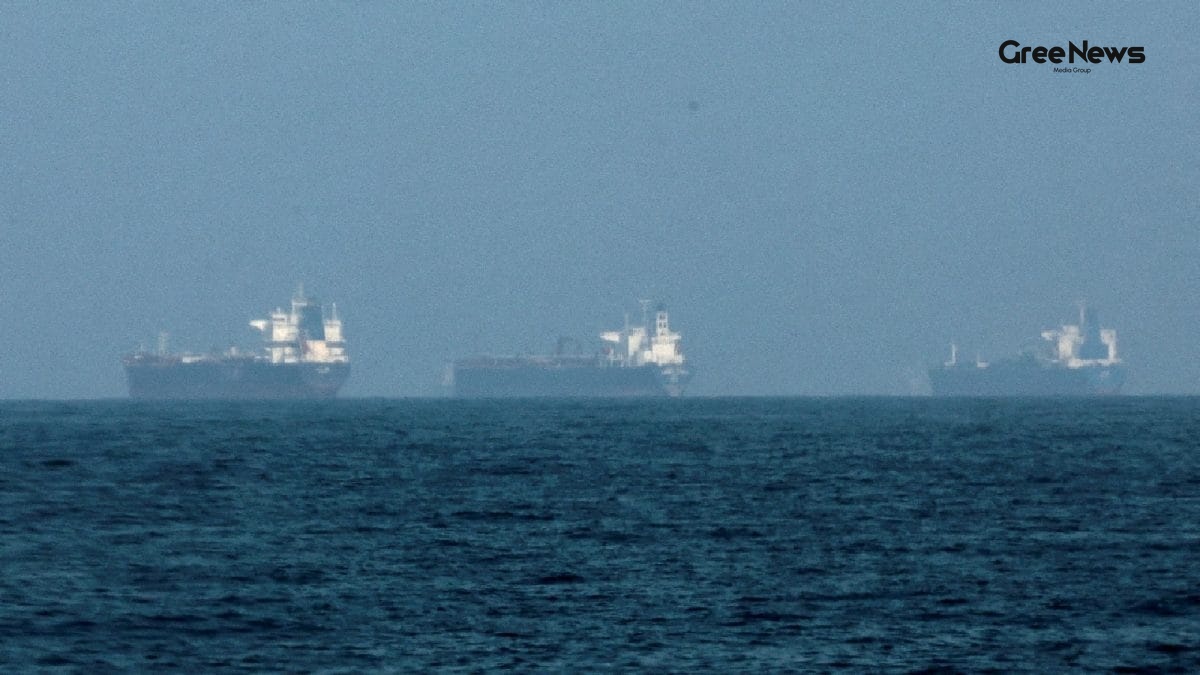
What’s interesting is that the BMI pool will handle all major maritime risks Hull and Machinery, Cargo, Protection & Indemnity (P&I), and even War risk. This comprehensive coverage is something that was missing in the Indian market, especially for ships that ply through volatile routes like the Strait of Hormuz or the Gulf of Aden.
For those who are not familiar, War risk covers damages caused by war‑like activities, terrorism, or piracy. In a world where news of piracy resurfaces regularly, having a dedicated domestic war‑risk cover is a real advantage. It also means that Indian ship owners won’t have to rely entirely on overseas insurers who might withdraw after a sanction or a geopolitical shift.
Who can benefit from the BMI pool?
The BMI pool is not just for Indian‑flagged vessels. It also covers Indian‑controlled ships and any vessel that is either destined for India or starting its journey from an Indian port. In plain terms, if your cargo is moving from, say, Singapore to Kolkata, the BMI pool will step in to provide an affordable insurance solution.
During a recent conversation with a freight forwarder in Delhi, she mentioned that the new arrangement could bring down the cost of insurance by up to 20 % for certain routes. That’s a significant saving, especially when you consider that a single container’s insurance can cost a few thousand rupees.
This kind of reduction is what the Union Cabinet hoped for a way to keep Indian trade competitive in a world where other countries are also looking to cut down shipping costs. And because the BMI pool is backed by the government, the confidence level among ship owners is expected to rise sharply.
What does ‘sovereign guarantee’ actually mean for ship owners?
In the insurance world, a sovereign guarantee is like a promise from the highest authority that the obligations will be honoured, no matter what. So, if an insurer that is part of the BMI pool faces a massive loss because of a severe storm or a piracy incident, the government steps in with the Rs 12,980 crore guarantee.
This assurance is crucial because it reduces the perceived risk for the insurers themselves. When insurers feel secure, they are more likely to offer lower premiums. In a sense, the guarantee acts as a catalyst for cheaper, more reliable coverage a direct win for Indian exporters and importers.
Moreover, the guarantee helps in situations where international sanctions hit a global insurer that previously covered Indian vessels. Instead of losing coverage overnight, the BMI pool can fill the gap, ensuring that the ships keep sailing without waiting for a new policy to be drafted.
Building domestic expertise: underwriting, claims and legal support
One of the less talked about but equally important aspects of the BMI pool is the focus on developing specialised marine underwriting, claims management, and legal expertise right here in India. Until now, a lot of marine claims have been handled by overseas firms, which sometimes leads to delays and a lack of understanding of the Indian regulatory environment.
With the BMI pool, the plan is to set up dedicated teams that understand the nuances of Indian shipping law, local customs, and the unique challenges Indian vessels face. This means that when a claim is filed say, after a cargo gets damaged during a cyclone in the Bay of Bengal the processing will be faster because the claims team is already familiar with the local context.
For legal disputes, having home‑grown expertise also reduces the cost of hiring foreign counsel. In short, the BMI pool is not just a financial instrument; it’s a platform to grow an entire ecosystem of maritime services within the country.
Impact on India’s trade and the bigger picture
When I think about the broader impact, the BMI pool could be a game‑changer for India’s position in global trade. By ensuring continuous, affordable insurance, the country can maintain a steady flow of goods through its ports, even when international tensions rise.
This aligns with the broader vision of making India a global logistics hub. If shipping costs stay stable, exporters can price their goods more competitively, which in turn can boost India's share in world markets. It also means that small and medium‑sized enterprises, which often operate on thin margins, will no longer be forced to postpone shipments due to insurance scares.
Moreover, the BMI pool could set a precedent for other sectors. If a sovereign guarantee can successfully back a maritime insurance pool, similar models might be explored for aviation, rail, or even renewable energy projects basically any sector where risk management is a bottleneck.
There’s also a strategic angle. By having a domestic insurance mechanism, India reduces its dependence on foreign insurers, which can be a lever of influence in geopolitical negotiations. In a way, the BMI pool adds another layer of sovereignty to the nation’s economic toolbox.
What are the potential challenges?
Nothing comes without hurdles, and the BMI pool is no exception. First, getting enough insurers to join the pool and contribute capital will require convincing them that the returns are worthwhile. The government will need to ensure transparency and efficient governance so that insurers feel confident about their participation.
Second, the pool will have to manage a delicate balance between offering low premiums and maintaining enough reserves to pay out large claims especially for war risk, which can be massive. This is where the Rs 12,980 crore sovereign guarantee becomes crucial; it acts as a backstop, but the pool still needs sound risk assessment practices.
Third, the success of the BMI pool will also depend on how quickly the domestic claims and legal teams can be built up. If these processes are sluggish, the advantage of local expertise could be lost.
Finally, there is the question of market perception. Even though the BMI pool is backed by the government, ship owners might still be cautious initially and prefer to stick with familiar international insurers. Over time, as the pool demonstrates reliability, this hesitation should fade.
What’s the next step for the BMI pool?
According to the Union Cabinet’s statement, the next immediate step is to formalise the membership of domestic insurers and to set up the underwriting framework. This involves drafting detailed policy wordings, establishing the claim settlement process, and creating the legal team.
In practice, this means that over the next few months, you’ll start seeing announcements from big Indian insurers like New India Assurance, The Oriental Insurance Company, and others about their participation. They’ll likely roll out pilot policies on popular routes, like from Mumbai to Colombo or from Chennai to Dubai, to test the waters.
As these pilots go live, I expect the media to pick up on them as part of trending news India, especially if the premiums turn out to be notably lower than the rates from overseas insurers. That will create a ripple effect, encouraging more ship owners to switch to the BMI pool.
Personal take‑away
From where I sit, watching the news scroll on my phone while sipping chai, the whole initiative feels like a much‑needed safety valve for India’s shipping industry. It’s not just about cheaper premiums it’s about ensuring that when the world gets shaky, our trade routes stay open and our goods keep moving.
In most cases, the success of such a big policy rests on execution, and that’s where the collaboration between the Union Cabinet, domestic insurers, and the maritime community will be put to the test. If they pull it off, we might just have a home‑grown solution that other emerging economies will look up to.
So, keep an eye on the upcoming updates this is definitely breaking news that could shape India’s trade future, and it’s the kind of story that will stay in conversation circles for weeks to come.