Let me tell you how I first heard about Meenu Batra’s ordeal. I was scrolling through my phone early in the morning, trying to catch up on the latest news India feeds, when a headline about an Indian woman being held by ICE caught my eye. I thought, “That’s a bit far from home, but still something we Indians should know about.” What happened next is interesting I realized that Meenu isn’t just any immigrant; she’s a Punjabi‑origin interpreter who has been a part of the Texas community for more than thirty years.
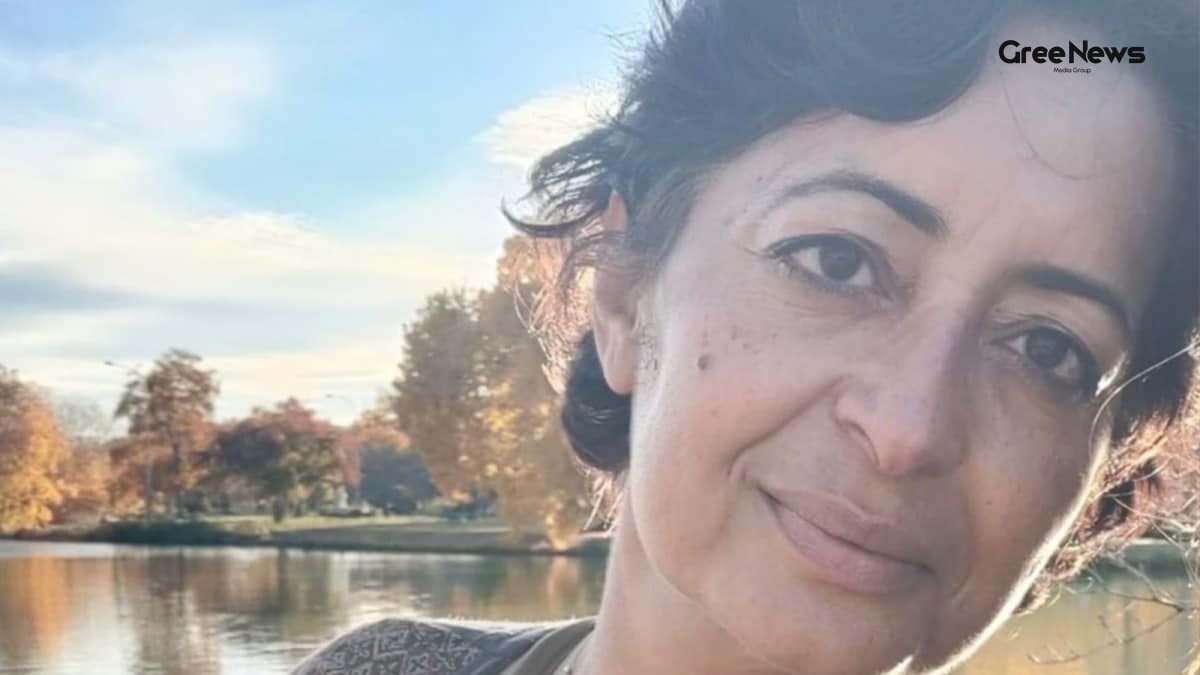
Who is Meenu Batra?
Meenu Batra, a 53‑year‑old woman of Punjabi origin, moved to the United States back in the 1980s. Over the years, she settled in Laguna Heights, Texas, where she built a solid career as a certified courtroom interpreter. She speaks Punjabi, Hindi and Urdu fluently, and for more than twenty years she has been the voice that bridges the gap between immigrants and the US immigration courts. In fact, I once met her at a community event; she was calm, confident, and always ready to help anyone who needed language assistance. She’s also a member of the American Translators Association, which shows how dedicated she is to her profession.
The thing that surprised many people was that, despite her long‑term residence and professional contributions, she still carries a removal order that dates back to the early 2000s. A judge had granted her “withholding of removal” status, meaning the US government cannot send her back to India because she might face persecution there. This status is not the same as asylum it does not erase the removal order, nor does it give a direct path to permanent residency. Still, it offered her a shield that she relied on for years.
The Day ICE Stopped Meenu
Now, picture this: Meenu was traveling from Texas to Milwaukee for an immigration court assignment a routine trip for her, as she often flew for such duties. She landed at Valley International Airport, checked in her luggage, and was ready to board her connecting flight. In an instant, ICE officers approached her, and before she could even say “hello,” she was taken into custody.
She was then taken to the El Valle Detention Center, which is located near the US‑Mexico border. The facility is far from the familiar streets of Laguna Heights, and the environment there is starkly different from the community she has known for decades. The whole incident quickly turned into a matter of breaking news among the Indian diaspora and the local Texas immigrant community.
According to a habeas corpus petition filed later, Meenu was held for almost a full day without any food or water. Imagine being in a foreign facility, already stressed from the sudden arrest, and then not being given basic necessities it’s a scenario that many of us could not even imagine. What really shocked me was that she also suffered a respiratory illness while in custody, which made her lose her voice temporarily. For someone whose profession is built on speaking and interpreting, losing her voice felt like a double blow.
Family Ties and the Humanitarian Angle
Meenu isn’t just an interpreter; she’s a mother, a sister, a pillar for her family. She is a single mother of four adult children, all of whom are US citizens. Her youngest son, who recently enlisted in the US Army, filed a humanitarian parole request on her behalf. The request was meant to protect her from being deported while her son serves the country. That detail added an emotional layer to the story, making it not just another immigration case but a tale of family sacrifice and duty.
Many of us in the Indian community were left wondering: how could someone who has served the US legal system for decades, who has a son protecting the nation, be treated this way? The incident quickly turned into viral news across social platforms, with people sharing their own experiences of dealing with ICE and demanding a fair resolution.
Legal Battle and the Call for Release
Meenu’s legal team moved fast. They filed a petition in the US District Court for the Southern District of Texas, arguing that holding a long‑settled resident with a valid work authorization and no criminal history is unlawful. Their petition highlighted the lack of food and water, the inadequate medical attention, and the fact that Meenu had undergone surgeries not long before her detention.
The lawyers also stressed that Meenu’s “withholding of removal” status should protect her from any action that would force her back to India where she could face persecution. They asked the court to order her immediate release, emphasizing that her detention was both unnecessary and inhumane.
In response, the US District Court directed the Department of Homeland Security to respond to the petition. This step, although procedural, gave a glimmer of hope to her supporters and signaled that the matter would be scrutinized at a higher level.
Health Struggles Inside the Detention Center
One of the most disturbing aspects of the case was the claim that Meenu received inconsistent medical care while in custody. She had undergone surgeries in the previous year, which meant she needed regular follow‑up. Yet, according to the petition, the detention center failed to provide proper medical attention, and she later developed a respiratory illness that left her without a voice for a short period.
When I read about this, I remembered a friend who once visited a detention center for a documentary. He described how medical services were often delayed or insufficient, especially for inmates with pre‑existing conditions. Meenu’s situation seemed to echo those stories, and it raised serious questions about the standards of care in such facilities.
Understanding the Immigration Status
It’s essential to clarify what “withholding of removal” actually means. Unlike asylum, which can lead to a pathway for permanent residency, withholding of removal only prevents the government from forcibly sending an individual back to a country where they might be persecuted. The policy does not cancel the original removal order, nor does it grant a Green card. In Meenu’s case, this status was granted by an immigration judge many years ago, and it has been the legal shield that kept her safely in the US despite the lingering removal order.
Many people in the Indian community, especially those who have followed the trending news India channels, were confused about why such a status wouldn’t protect her completely. The answer lies in the intricacies of US immigration law a system that often leaves people in limbo, even after years of compliance and contribution.
Community Reaction and the Bigger Picture
Even though the story originated in the US, it resonated with readers of India updates because it touched on themes of immigration, human rights, and the struggles of the Indian diaspora abroad. Many families who have relatives in the US or Canada felt a personal connection, recalling similar challenges they faced when dealing with immigration authorities.
What Could Happen Next?
Given the court’s directive for the Department of Homeland Security to respond, the next steps will involve a detailed review of Meenu’s case. Her lawyers are hopeful that the response will lead to her release, especially considering the humanitarian parole request filed by her son in the Army.
Meanwhile, the public continues to monitor the situation closely. Every new development adds another layer to the ongoing discussion about how ICE handles long‑term residents with special protection status. For many, this case is a reminder that the system can sometimes fail those who have contributed the most.
Personal Reflection
Honestly, hearing about Meenu’s ordeal made me pause and think about the many unsung heroes among immigrant communities the interpreters, the community workers, the teachers who often go unnoticed. Their stories don’t always make it to the front page, but when they do, they remind us of the human side behind legal jargon.
If you’re reading this, perhaps you’ve known someone like Meenu, or maybe you’re part of a family that relies on language services to navigate the legal system. Let’s keep sharing these stories, because together they can become part of the broader viral news that pushes for change.
In the end, it’s not just about one woman’s detention; it’s about how a community stands up for its own, how policies are questioned, and how empathy can drive a better system. I’ll keep following the developments and will update you as soon as there’s a new turn.