Rahul Gandhi Brands Puducherry Administration as Delhi‑Imposed, Accuses Corruption and Promises Welfare
Context of the Campaign in the Union Territory
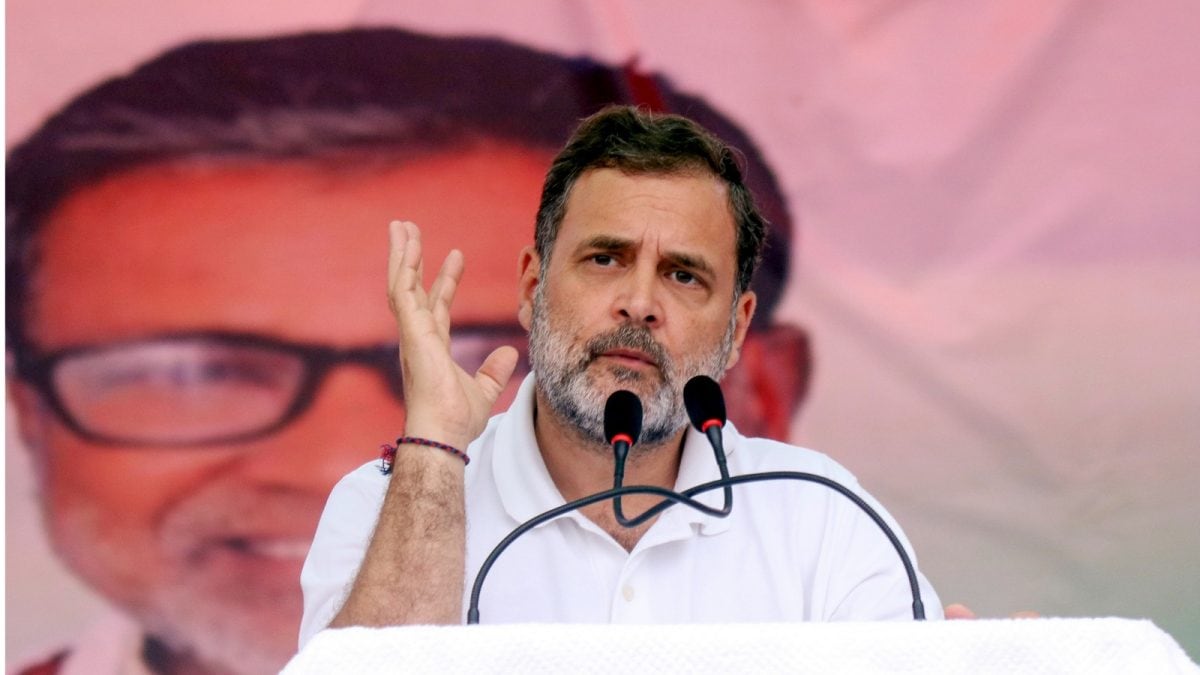
The Union Territory of Puducherry is presently the focus of an intensive election campaign. The political environment is marked by a contest between the ruling BJP‑led administration and the opposition Congress, which is aiming to seize the opportunity to mount a substantial challenge. Within this atmosphere, the Congress leader Rahul Gandhi stepped onto a platform in Lawspet to deliver a forceful address.
Rahul Gandhi framed the ongoing contest as a test of democratic representation. The narrative presented by Rahul Gandhi highlighted a perceived disconnect between the elected bodies of Puducherry and the aspirations of its electorate. This narrative forms the backdrop against which the subsequent allegations and promises were articulated.
Allegations of Imposed Governance
During the rally, Rahul Gandhi asserted that the Puducherry government does not embody the will of the people of Puducherry. The statement emphasized that the administration has been "imposed from Delhi," suggesting a top‑down influence that overrides local democratic choice.
Rahul Gandhi also revisited a long‑standing demand for full statehood, noting that the BJP pledged such status but has not delivered on that promise. The remarks linked the issue of statehood to a broader suspicion of central interference in the Union Territory’s affairs.
Further, Rahul Gandhi alleged a strategic link between the Union Territory and corporate interests. The claim centred on the name of a prominent industrialist, stating that the BJP intends for Puducherry to become part of the industrialist’s portfolio, and that the strategic enclave of Karaikal has already been transferred to that industrialist.
Charges of Systemic Corruption
Beyond the political narrative of imposed rule, Rahul Gandhi laid out a series of accusations aimed at the financial practices of the Puducherry government. A core allegation is that a thirty‑percent commission is levied on all contracts, effectively turning the government into a commission‑collecting agent for private entities.
The address also highlighted the existence of a "liquor license raj," an entrenched system that, according to Rahul Gandhi, continues unabated despite repeated public complaints. The claim underscores a perception that the administration prioritises revenue generation over public welfare.
In addition to financial improprieties, Rahul Gandhi pointed to a deterioration in law and order, suggesting that the administration not only appropriates public resources but also undermines the rule of law. The intertwining of corruption, illicit licensing, and weakened security forms a comprehensive critique of the current governance model.
Congress Welfare Blueprint for Puducherry
Against the backdrop of these criticisms, Rahul Gandhi outlined a detailed welfare package that the Congress intends to introduce should it secure power in the Union Territory. The package comprises several concrete measures aimed at different segments of the population.
- A monthly monetary assistance of Rs 2,000 targeted at unemployed youth, designed to provide immediate financial relief and encourage skill development.
- The creation of thirty‑thousand new jobs across both public and private sectors, intending to address long‑standing unemployment challenges and stimulate economic activity.
- Free bus travel for women within Puducherry, a measure projected to enhance female mobility, safety and participation in public life.
- An extension of eligibility for government employment positions up to the age of forty, thereby broadening the talent pool and offering a second career avenue for older job seekers.
- Comprehensive health insurance coverage of Rs 20 lakh for every family, delivering a safety net against medical emergencies and reducing out‑of‑pocket health expenses.
Rahul Gandhi repeatedly emphasized that these initiatives are intended to directly improve the living standards of Puducherry residents, contrasting the proposed plan with the alleged shortcomings of the current administration.
Election Mechanics and Timeline
The upcoming electoral process in Puducherry involves the casting of ballots by eligible voters across the Union Territory’s thirty constituencies. The election will culminate in the formation of a new thirty‑member Legislative Assembly, with the current term scheduled to conclude shortly after the voting period.
While specific dates have been communicated by the election authority, the focus of this article remains on the political discourse and policy proposals that dominate the campaign trail.
Reactions and Broader Implications
The statements delivered by Rahul Gandhi have ignited discussion among political observers, civil society groups, and the electorate. The charges of corruption and external imposition resonate with longstanding grievances that have periodically surfaced in the Union Territory’s political narrative.
Supporters of the Congress view the welfare blueprint as a tangible demonstration of the party’s commitment to inclusive development. Critics, however, argue that the proposed measures require substantial fiscal resources and question the feasibility of rapid implementation.
Regardless of the divergent viewpoints, the campaign rhetoric underscores a contest between two distinct visions for Puducherry’s future—one that emphasizes central alignment and another that foregrounds local empowerment and welfare‑driven governance.