Why Samay Raina’s reaction is the talk of the town
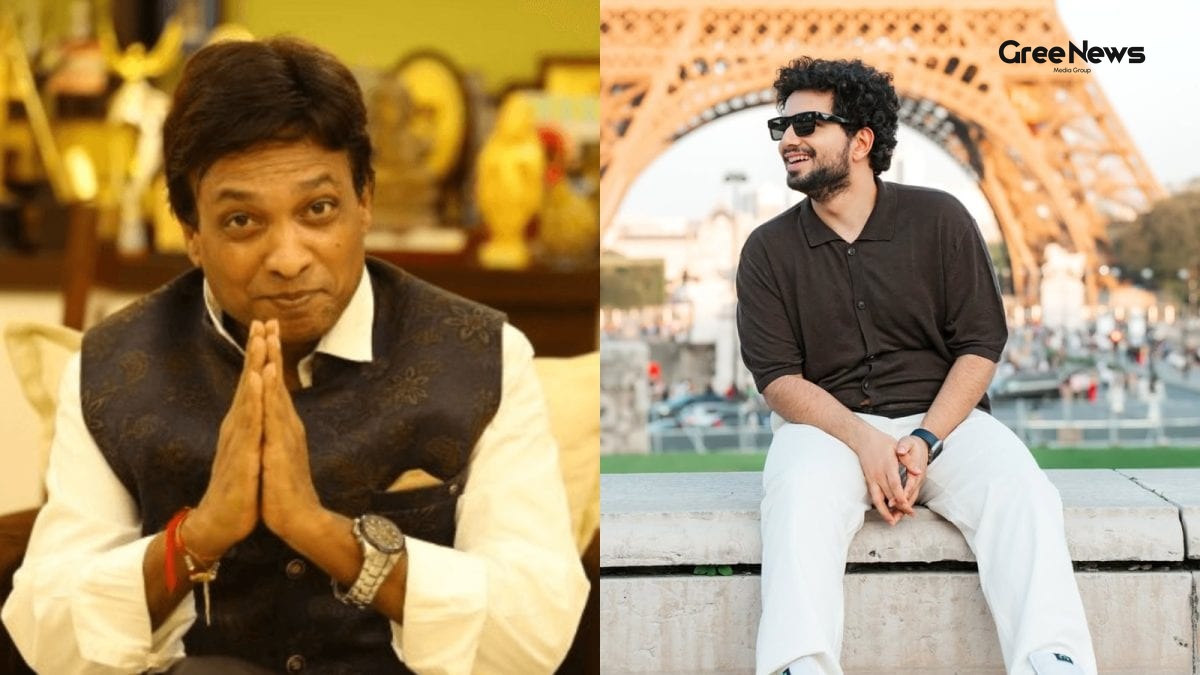
When the India’s Got Latent saga blew up, it instantly turned into one of the viral news pieces that every teenager in a Delhi coffee shop, every office worker in a Mumbai cubicle, and even the uncle at a roadside tea stall were hearing about. Amid the uproar, Sunil Palwho’s known for his punchy one‑linersdidn’t hold back and launched a few sharp comments at Samay Raina. Most people assumed Samay would take it to heart, but the breaking news from his recent Chalchitra Talks session tells a different story. He said he barely thinks about Sunil Pal at all, and if anything, he actually feels sorry for the guy.
That might sound a bit odd, right? What happened next is interesting: Samay explained that criticism often says more about the critic than the target. In simple words, he believes anyone constantly throwing shade is likely wrestling with their own insecurities. This perspective not only defused the tension but also gave his fans a fresh way to look at the whole drama.
Samay’s own words “I never feel offended”
During the open‑mic style conversation, Samay dropped a line that stuck with many listeners: “One thing I learned very early in life is that if somebody is saying shit about others, they are going through something. When I look at him, I never feel offended. It’s actually good for me, he’s talking about me.” He went on to add, in his characteristic Hindi‑English blend, “Mujhe bura lagta hai unke liye; something is bothering him, there are some insecurities. Woh aadmi mentally at peace nahi hai, and I feel bad for him. I wish he finds peace.”
He even compared the situation to other Bollywood and TV personalities, noting that “Jo banda khud peace mein rehta hai, woh doosron ka peace kharab nahi karta.” In his view, the whole “Latent controversy” crowd was simply frustrated, venting their anger in a very public way. He also asked rhetorically, “Did Kapil Sharma say anything? No good actor said anything, right?” The sarcasm was clear, and many listeners laughed, while others nodded in aGreement.
Many people were surprised by this calm attitude, especially because the comment section was filled with heated arguments. Samay’s approach, however, seemed to resonate with those who were already tired of the endless back‑and‑forth that makes up today’s trending news India cycle.
What exactly was the India’s Got Latent controversy?
To understand why Samay’s words mattered, a quick recap of the controversy is useful. The show India’s Got Latent aired a clip where the guest, Ranveer Allahbadia, asked a contestant a question that many found offensive and sexist. Within hours, the clip turned into a viral news sensation, sparking outrage across social media platforms, trending hashtags, and even drawing the attention of law enforcement. Several FIRs were filed, and political leaders weighed in, calling for accountability.
Samay Raina, who was the host, acted quickly. He removed all episodes from YouTube, posted an apology, and promised to cooperate with the authorities. While the legal side was sorting out, the emotional and mental toll on him grew. He later opened up about battling anxiety, sleepless nights, and a flood of messagesboth supportive and hostile.
This whole episode is now part of the latest news India readers are scanning daily. It also serves as a case study of how fast a single moment can become a firestorm, especially in a country where every show is dissected by millions of eyes.
How the guitar became Samay’s therapist
Amid all the chaos, Samay turned to an old friend: his guitar. “Guitar and music, I love playing the guitar and listening to blues. Blues saved my life at that time,” he said, with that relaxed, slightly husky voice that fans know from his YouTube streams. He mentioned listening to Stevie Ray Vaughan on repeat, letting the riffs pour out his anxiety like a pressure valve.
He described the feeling as “Saari feelings usmein nikal jaati hain.” Whenever he felt the heat risingwhether from a mean comment, a news article, or just the constant buzz of notificationshe’d pick up the instrument and let the notes take over. It’s a simple yet powerful reminder that even public figures need a private sanctuary.
His audience, many of whom are students or young professionals juggling exams and jobs, found this advice surprisingly relatable. A lot of them confessed that they also have a hobbybe it painting, dancing, or playing cricketthat helps them unwind when the internet turns into a pressure cooker. This little glimpse into his personal coping strategy added a human touch to the whole India updates story.
Public reaction and the ripple effect
After Samay’s interview went live, the comment section exploded. Some fans applauded his mature outlook, saying, “Samay, you’re a true inspiration, bro!” Others, however, felt he was being too forgiving. A few even argued that Sunil Pal’s criticism deserved a stronger rebuttal. Nonetheless, the majority seemed to appreciate his empathy, especially because it came at a time when many online debates turn toxic within minutes.
Even some fellow comedians chimed in on their podcasts, echoing Samay’s belief that “people who attack others are often battling something inside.” This sentiment added a layer of depth to the whole conversation, making it more than just a celebrity feud. It turned into a broader dialogue about mental health, fame, and the responsibilities of social media platforms in controlling the spread of sensational content.
The episode also reminded everyone that the line between humor and offence can be razor‑thin. Because of it, a few streaming platforms announced they would review their content guidelines, hoping to avoid a repeat of the trending news India incident. It’s a ripple effect that shows how one piece of breaking news can lead to changes across an industry.
What does this mean for Samay’s future?
Looking ahead, Samay hinted that he might explore more music‑related content, perhaps even a short series where he combines stand‑up with guitar solos. He said, “If I can turn the anxiety into something creative, why not share it?” Fans are already eager, flooding his socials with hashtags like #SamayAndStrings and #GuitarTherapy.
He also promised to keep the conversation about mental health alive on his platform, especially for upcoming comedians who might find themselves in the crosshairs of public opinion. By doing this, he hopes to turn what started as a viral news crisis into a lasting positive impact.
In the grand scheme of things, Samay’s calm response, his empathy for Sunil Pal, and his turn to music have become a subtle yet powerful reminder of how personal resilience can shape public narratives. It also tells us that, in a country where latest news India spreads faster than a WhatsApp forward, a thoughtful voice can still cut through the noise.