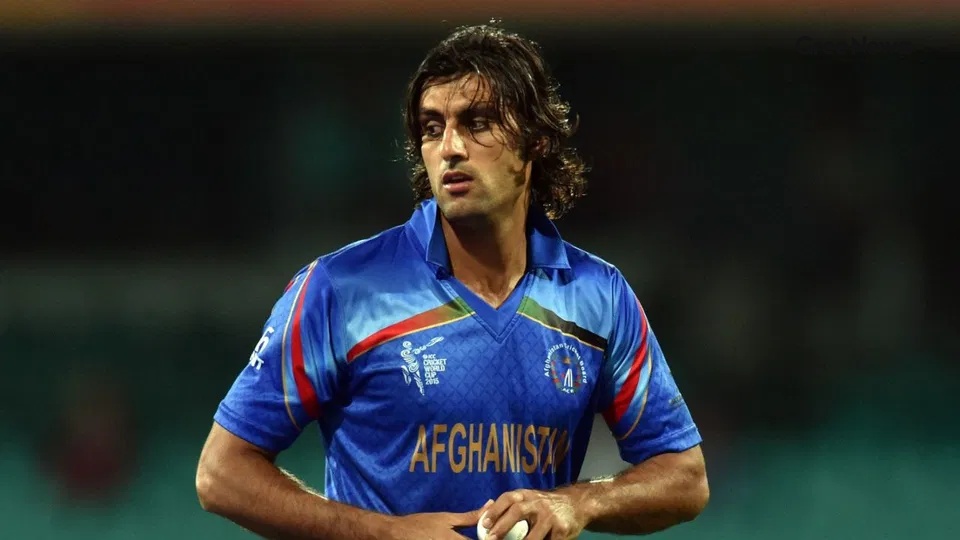
![Shapoor Zadran for Afghanistan [GREE News : AFP]](https://greenews.s3.eu-north-1.amazonaws.com/news/logo/6e3c00caf99e7f58555920577d3557e6.jpg)
Honestly, when I first saw the headlines about Shapoor Zadran being in critical condition, I thought it might be another rumor that would fade away like most breaking news. But as the story kept popping up in the latest news India feeds, I realised this was something far more serious. The veteran fast‑bowler, who gave us those fiery spell‑outs in the 2010 World T20 and later in the 2019 ICC events, has been diagnosed with a rare immune disorder called Hemophagocytic Lymphohistiocytosis, or HLH for short.
From the moment the word “critical” hit the screens, my heart sank. In most cases, we hear about injuries on the field, not a life‑threatening disease that messes with the body’s own defence system. What happened next is interesting the whole saga unfolded like a drama, and it’s been trending news India ever since.
How It All Began The First Signs of Trouble
Back in October 2025, Shapoor started feeling unwell back home in Afghanistan. He told his family that he was just a bit feverish, but local doctors, after a quick check‑up, warned that something more serious might be brewing. They suggested he should head to a country with advanced medical facilities. You know how we often hear about patients being sent abroad for treatment; this was one of those moments that turned into a real life‑saving mission.
According to his younger brother, Ghamai Zadran, big names in Afghan cricket especially Rashid Khan stepped in. Rashid, along with the Afghanistan Cricket Board, helped fast‑track a visa for Shapoor, getting him into a New Delhi hospital by January. That part of the story felt like something out of a Bollywood film a star’s health, a rapid response, cross‑border support all happening in real time and making the story viral news across social platforms.
When Shapoor landed in Delhi, doctors ran a battery of tests. By February 2026, the reports were shocking: a massive infection had taken hold of his body, and not just any infection tuberculosis that had spread all the way to his brain. “It was a very serious infection. His whole body was affected, including TB, which even spread to his brain. This was revealed through MRI and CT scans,” Ghamai told ESPNcricinfo.
Imagine the fear that must have rippled through his family and fans. For a cricket fan in Delhi, catching a glimpse of the scans on a TV channel was unsettling. The news wasn’t just a sports update; it was a health emergency that caught people’s attention and made the story a part of everyday conversation at chai stalls and office water coolers.
The Brief Glimmer of Hope
Late February brought a short‑lived ray of sunshine. After intensive treatment, Shapoor showed signs of improvement. He was even discharged for a few days, and his brother shared that the bowler was back on his feet, though still very weak. We all felt a sigh of relief, like when your favourite team wins a close match. The media reported it as a “brief recovery,” and it spread like wildfire on weekend news round‑ups.
But as many of us know, life can be unpredictable. Within just 20 days of that discharge, things took a sharp turn. Shapoor’s red blood cell count plummeted, and tests revealed he had also contracted dengue another fever that thrives in the sub‑tropical climate we’re so familiar with here in India.
Escalation to Stage 4 HLH The Critical Phase
On April 20, the doctors confirmed the dreaded diagnosis: stage 4 HLH. This is the highest level of severity, meaning the immune system’s over‑reaction is causing widespread inflammation and organ damage. The disease attacks the bone marrow, liver, spleen, and even the lymph nodes. It’s basically a perfect storm inside the body.
By the next day, Shapoor was placed on life support. Doctors noted dangerously low white‑blood‑cell numbers, compromising his ability to fight infections. The situation was grim, and the latest updates from the hospital painted a bleak picture. Yet, the family held onto a thread of optimism, noting that the steroids administered seemed to be having a mild positive effect.
When the story broke on social media, it quickly became a piece of trending news India. Fans from Kabul to Kolkata, from cricket forums to WhatsApp groups, started sharing messages of support, prayers, and even reminders of Shapoor’s impressive career moments the time he bowled a crucial spell against Sri Lanka, the one‑run victory in the 2015 Asia Cup qualifier, and his iconic runs‑out celebrations.
Understanding HLH Why It’s So Dangerous
For many readers, HLH is an unfamiliar term. It’s a rare condition where the body’s immune cells go berserk, attacking healthy tissue instead of just the invaders. In adults, the mortality rate can soar between 50 % and 80 %. However, recent research offers a sliver of hope: about 60 % of critically ill patients can survive if the condition is caught early and treated aggressively.
In Shapoor’s case, the disease had progressed to stage 4 with central nervous system (CNS) involvement the most advanced brain and spinal cord infiltration. This complicates treatment because the immune cells are now damaging nerve tissue, making recovery an uphill battle.
Doctors now focus on a cocktail of steroids, chemotherapy‑like agents, and sometimes even bone‑marrow transplants. While these treatments can be harsh, they aim to curb the hyper‑inflammation and give the body a chance to reset.
Possible Path to Recovery What Experts Say
Even though the odds are heavy, recovery isn’t impossible. The key, as the medical community emphasizes, is timing. Prompt, aggressive therapy can turn the tide. In the news articles that followed, doctors highlighted that early intervention with steroids and immunosuppressants can stabilise the patient, buying precious time for the body to heal.
Ghamai mentioned that the steroids were “working a little,” and that gave the family a glimmer of hope. “We are hopeful he will improve gradually. The steroids he has been given recently seem to be working and that has given us some hope,” he said. This sentiment resonates with many fans who are used to seeing underdogs make comebacks on the cricket field it adds a personal, relatable layer to the medical battle.
It’s also worth noting that the AFP and other news agencies have been covering the story under the banner of breaking news, ensuring that the latest developments reach a wide audience quickly. The frequent updates have helped keep the conversation alive, making the story part of the ongoing viral news cycle.
What This Means for Cricket Fans and the Wider Community
Beyond the medical facts, Shapoor’s situation has sparked a wave of solidarity among cricket lovers. Fan pages have organised fund‑raisers, and several Indian cricketers have posted messages of support on their social channels. It’s a reminder that the cricketing fraternity, despite political borders, often stands together during crises.
From a broader perspective, the coverage also highlights a growing awareness about rare diseases in South Asia. In most Indian homes, discussions around health usually revolve around diabetes, hypertension, or common infections. Stories like Shapoor’s bring rare conditions like HLH into the spotlight, prompting more people to look up symptoms and seek early medical advice.
When you see a headline that says “Breaking News: Afghan Cricketer’s Health Deteriorates,” it’s not just a sports update; it’s a call to pay attention to health alerts. The way this story has been picked up by various portals, shared as trending news India, and even discussed in regional languages, underscores the power of media in shaping public discourse.
Looking Ahead Hope, Prayer, and the Uncertain Road
So where does Shapoor stand now? The latest reports say he remains on intensive care, battling low white‑blood‑cell counts and the aftermath of multiple infections. The road ahead is uncertain, and the stakes are high.
Yet, if there’s anything cricket teaches us, it’s perseverance. Whether it’s a bowler delivering the final over under pressure or a patient fighting a relentless disease, the spirit of not giving up stays the same. Fans across India and Afghanistan continue to send prayers, and the medical team, armed with the latest protocols, keeps pushing forward.
In my own circle, I’ve seen friends start a small WhatsApp group just to share updates on Shapoor’s condition. That’s how personal the story has become it’s not just a headline in the latest news India feed; it’s a conversation at the dinner table, a concern that makes us check our own health more vigilantly.
We’ll keep tracking the story as it unfolds, hoping for a turn of events that brings this brave cricketer back from the brink. Until then, the saga remains a stark reminder of how quickly life can change, and how crucial timely medical intervention is a lesson that resonates far beyond the cricket field.