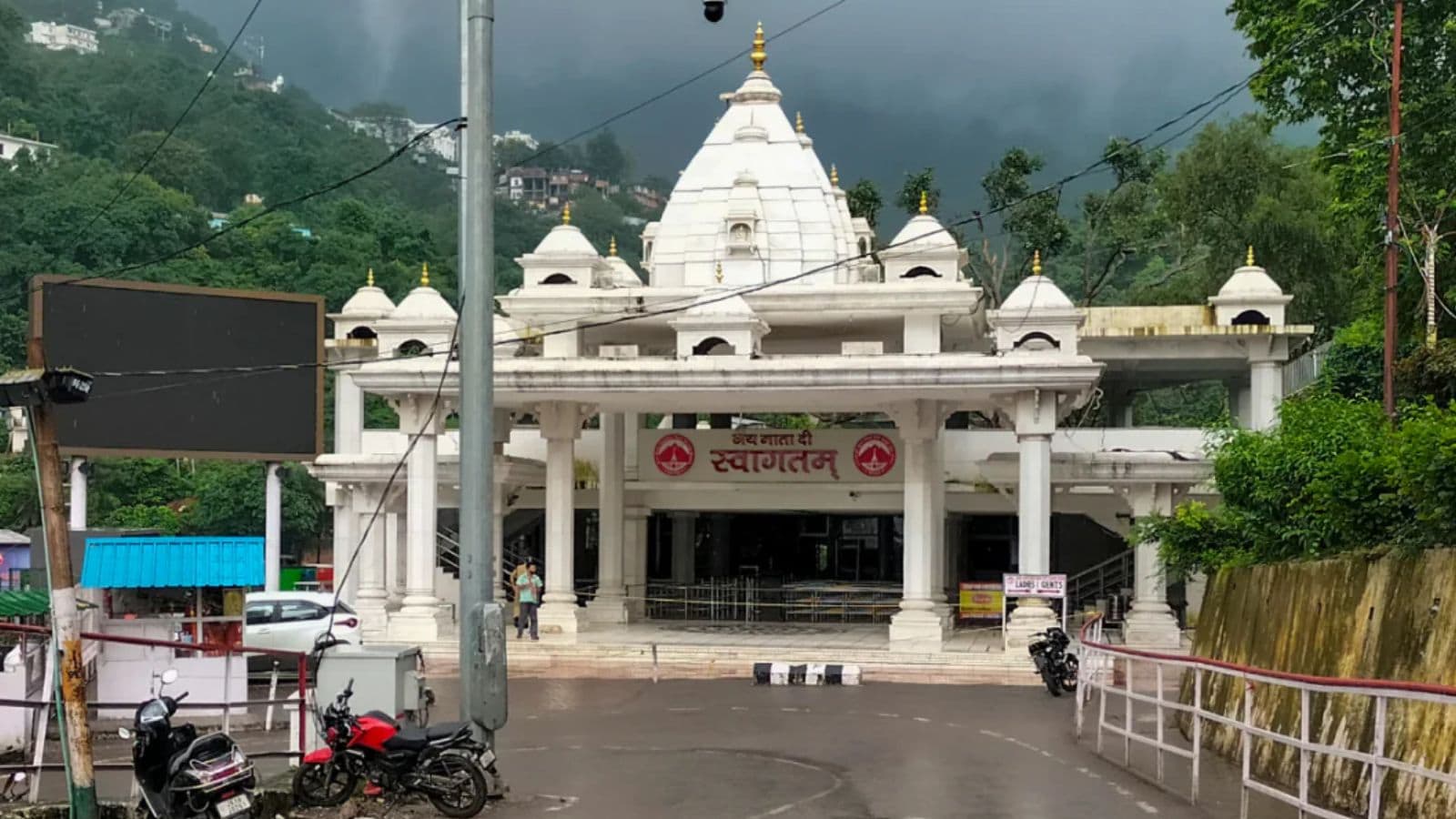
When I first set foot in Katra last year, the sheer crowd of devotees, the scent of incense, and the rhythmic chanting made me feel like I was part of a living, breathing tapestry of faith. Like many fellow travellers, I wanted to make an offering something that would feel precious, maybe a silver coin or a tiny umbrella (chattar) that I could hold in my hands while I prayed. Little did I know that behind those glittering objects lay a story that soon became breaking news across the country.
It all started when the Shri Mata Vaishno Devi Shrine Board decided to send around 20 tonnes of accumulated “silver” to a government mint for processing. The idea sounded simple melt the metal, extract the pure silver, and sell it to fund temple upkeep. But the results were nothing short of a shocker, and the whole saga has since become one of the most talked‑about pieces of viral news on social media. Below, I’ll walk you through what the investigation uncovered, why it matters, and, most importantly, how you can protect yourself from getting duped.
What the probe actually found
The Economic Times, together with a few other outlets, reported that the material sent to the mint contained only about 56% real silver. In plain language, that means almost half of the so‑called “silver” was something else entirely. The scientific tests broke down the composition into three main culprits:
- Cadmium a silvery‑white metal that looks just like silver to an untrained eye. It’s also a known carcinogen and is heavily regulated by the Bureau of Indian Standards.
- Iron used simply as a cheap filler to add weight to the items.
- Zinc often found in “German silver” or silver‑plated products, bringing the cost down even further.
These findings turned what was supposed to be a huge asset into a potential health hazard. The shrine board had originally hoped to recover silver worth roughly Rs 500550 crore. After the revelation, the realistic value shrank to about Rs 30 crore a dramatic plunge that raised eyebrows all over India.
Health risks and the mint’s reaction
Cadmium isn’t just a cheap substitute; it’s poisonous. When you melt cadmium‑laden metal, toxic fumes are released that can damage lungs and kidneys. The government mint, aware of these dangers, initially refused to melt the material. It took their skilled personnel almost three months to manually separate the pieces that had a higher silver content a painstaking process that underscored how serious the issue was.
In most cases, the exposure to cadmium fumes can lead to chronic respiratory problems and even increase cancer risks. So the whole episode isn’t just a financial scandal it’s also a public‑health alert, especially for the workers handling the metal without proper protective gear.
Why did fake offerings become so common?
Many observers point to the bustling vendor lanes that sprout around the pilgrimage route. These small stalls sell everything from prayer beads to miniature idols. My own experience was that after buying a chattar from a roadside seller, I noticed the price was unbelievably low something that should have raised a red flag.
According to the investigation, a number of these vendors have been mixing cadmium, iron and zinc to create “silver” items that look authentic but are vastly cheaper to produce. Because devotees often purchase these items in a hurry, without checking for hallmarks, the scam spreads like wildfire. The fact that it has become trending news India shows how many people are talking about it, sharing warnings on WhatsApp groups, and demanding stricter checks.
How to make sure you don’t fall for the fake
After hearing about the scandal, I decided to be extra careful when buying anything that claimed to be silver. Here’s a checklist that has helped me and many fellow pilgrims:
- Look for the BIS (Bureau of Indian Standards) logo, the word ‘SILVER’, a purity mark such as 999 or 925, and a six‑digit HUID (Hallmark Unique Identification) code.
- Download the official BIS Care App. By entering the HUID code, you can instantly view the jeweller’s details and the exact purity results.
- Buy only from authorised Shri Mata Vaishno Devi Shrine Board shops the ones located at Katra, Adhkuwari or the main Bhawan.
- Check the market price of silver on the day you shop. If the item is being sold at an unusually low price, treat it with suspicion.
These steps may sound a bit tedious, but they saved me from spending money on a fake umbrella that would have melted away in my hands. Trust me, a few extra minutes of checking can save you a huge amount in the long run.
Simple home tests to check silver purity
If you already have a piece of “silver” at home and want to verify its authenticity before offering it at the shrine, you can try a few easy tests. None of these require expensive equipment just a magnet, an ice cube and a keen ear.
The Magnet Test
Use a strong neodymium magnet (the kind you find in some hardware stores). Real silver is non‑magnetic. If the item clings firmly, it probably has a core of iron, nickel or steel a clear sign of a fake.
The Ice Cube Test
Place an ice cube directly on the metal at room temperature. Silver conducts heat exceptionally well, so the ice should start melting almost instantly, as if the metal were hot. If the ice melts at the same rate as on a regular plate, you’re likely dealing with a base‑metal alloy.
The Sound or “Ping” Test
Gently tap the piece with another metal object or drop it on a hard surface. Genuine silver rings with a clear, high‑pitched bell‑like tone that can linger for several seconds. A dull thud usually means it’s plated or made of cheaper alloys.
The Polish & Smell Tests
Rub a small area with a clean white cloth. Real silver will develop a black residue over time due to oxidation that’s a good sign. Also, give it a sniff; pure silver is odorless. A strong metallic or chemical smell hints at copper, zinc or other base metals.
These methods aren’t foolproof, but they’re a handy first line of defence. Many devotees have reported that performing at least two of these tests helped them avoid a costly mistake.
Key FAQs quick answers
What’s the issue with items sold at the Vaishno Devi Temple? Some vendors are selling “silver” chattars, coins and idols that are actually made of cheap mixed metals, yet they charge the price of genuine silver.
How can devotees avoid buying fakes? Stick to authorised shops, check for proper hallmarking, ask for a bill, and stay away from unusually cheap offers.
What should I look for in genuine silver items? Look for the BIS hallmark stamp, correct weight and finish, and a clear HUID code. Genuine silver usually has a consistent shine and the hallmark details are crisp.
Why staying informed matters the bigger picture
Beyond the personal loss of money, the whole episode ties into larger conversations about consumer protection in India. When a story becomes part of the latest news India cycle, it pushes authorities to tighten regulations and prompts agencies to conduct more random checks.
For me, sharing this experience has turned into a small mission: to spread awareness and help fellow pilgrims make smarter choices. If you’ve ever felt unsure about the authenticity of a religious offering, I hope this article gives you the confidence to verify before you buy.
The next time you plan a pilgrimage, keep these tips handy, stay alert to breaking news updates, and remember that a little bit of scrutiny can protect both your wallet and health.