Slow‑moving traffic convoys stage protest over fuel prices across Ireland
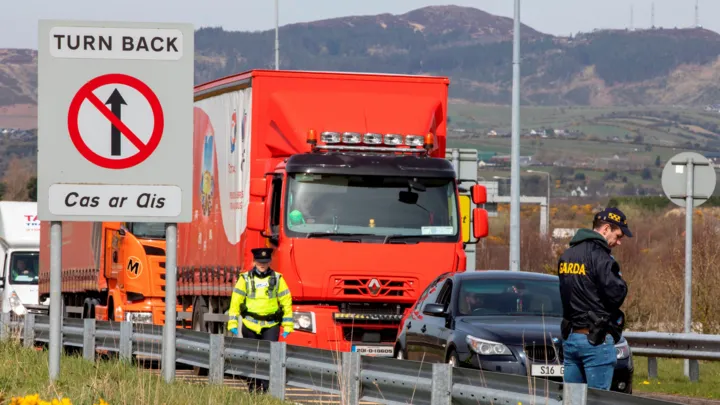
Motorists travelling across the Republic of Ireland are being asked to factor in extra minutes – and in many cases, extra hours – into their travel plans. The request stems from the presence of slow‑moving convoys deliberately positioned on a number of the nation’s principal roadways. These convoys have been organised as a direct response to the steep rise in the cost of both diesel and petrol.
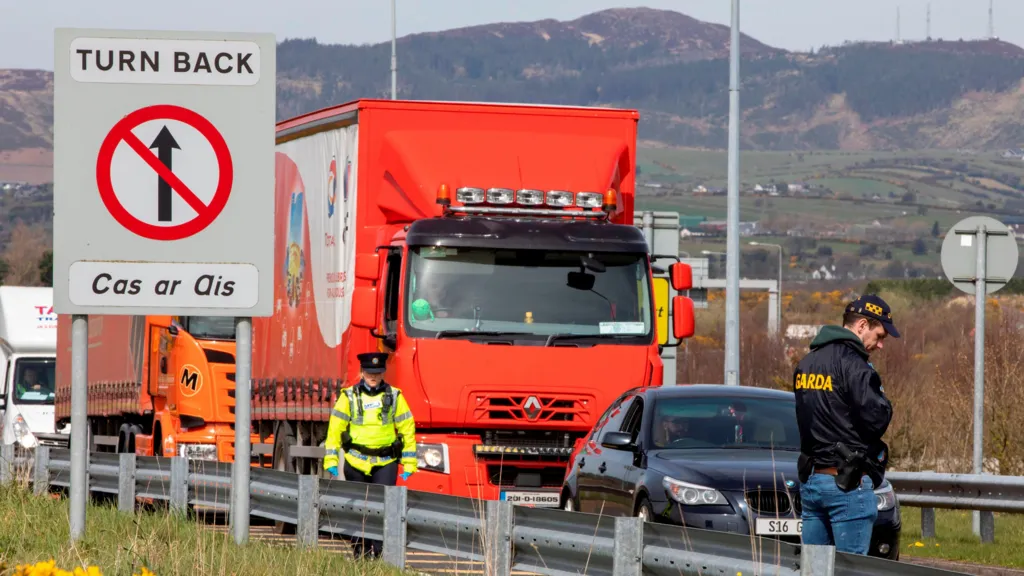
Gardaí (Irish police) have confirmed that the convoys are moving at a pace that significantly reduces the normal flow of traffic. Gardaí are deploying resources along the M1, N2, N3, N4, N7 and N11 to monitor the situation, direct vehicles, and ensure that safety is maintained for both protest participants and the travelling public.
Dublin Airport has issued a notice to all passengers that travel to the airport may be affected by the ongoing road activity. Dublin Airport advises that passengers should allocate additional time for the journey, consider alternative routes where feasible, and remain alert to any real‑time travel updates that may be circulated by the airport’s information services.
The underlying catalyst for the protest can be traced back to a conflict in the Middle East that has triggered a swift and pronounced increase in global oil prices. This conflict has resulted in the temporary suspension of approximately twenty percent of the world’s oil trade due to the closure of the strategic Strait of Hormuz. The halt in oil flow has had an immediate ripple effect on the price of refined fuels.
In the Republic of Ireland, the price of diesel has risen to roughly €2.14 per litre, while the price of petrol now stands at about €1.91 per litre. In certain localities, the cost of fuel is reported to be even higher, further amplifying public concern over the affordability of everyday travel and commuting.
Tánaiste (Irish Deputy Prime Minister) Simon Harris has indicated that a dedicated meeting will be convened to address the energy crisis and to discuss possible measures that could alleviate the pressure on fuel‑price‑sensitive sectors of the economy. Simon Harris intends to bring together key stakeholders, including representatives from the energy sector, consumer advocacy groups, and governmental departments, to formulate a coordinated response.
Roadways currently experiencing convoy activity
The following locations have been reported as sites where slow‑moving convoys are present. Each listed point represents a strategic position on a major arterial route, chosen to maximise visibility and impact.
- M6 Junction 7 (Moate), County Westmeath
- M8 Junction 4 (Urlingford), County Offaly
- N52, Tullamore, County Offaly
- The vicinity of Portlaoise, County Laois
- M6 Junction 18 (Athenry), County Galway
- Eastbound on the M3 approaching J8 (Navan)
- Eastbound on the M4 at Junction 8 (Kilcock), County Kildare
- Eastbound on the M7 approaching Junction 13 (Kildare Village), County Kildare
- M7 near Limerick city
In addition to the items listed within the structured list, the same locations appear again as plain list items, reinforcing the breadth of the protest coverage across the national road network.
- M6 Junction 7 (Moate), County Westmeath
- M8 Junction 4 (Urlingford), County Offaly
- N52, Tullamore, County Offaly
- The vicinity of Portlaoise, County Laois
- M6 Junction 18 (Athenry), County Galway
- Eastbound on the M3 approaching J8 (Navan)
- Eastbound on the M4 at Junction 8 (Kilcock), County Kildare
- Eastbound on the M7 approaching Junction 13 (Kildare Village), County Kildare
- M7 near Limerick city
Both sides of the M7 have been reported as being blocked by a substantial number of slow‑moving trucks and tractors. Gardaí estimate that roughly two hundred vehicles are participating in the M7 segment of the protest, creating a pronounced bottleneck that is expected to delay traffic for an extended period.
Implications for motorists and travellers
Motorists who plan to use any of the aforementioned routes are strongly advised to incorporate a generous buffer into their travel itineraries. The presence of hundreds of heavy vehicles travelling at significantly reduced speeds can extend journey times well beyond typical expectations. In addition to possible delays, drivers should remain vigilant for any on‑road instructions issued by Gardaí, who are actively managing the flow of traffic and ensuring that the protest does not compromise road safety.
Passengers traveling to and from Dublin Airport should be particularly mindful of the impact on connecting routes that lead to the airport terminals. Given the strategic importance of the airport as a hub for both domestic and international travel, any delay on connecting motorways may cascade into missed flights or the need to rebook travel arrangements.
Public transport operators have also been alerted to the situation. Bus services that rely on the affected motorways may experience schedule adjustments, and passengers are encouraged to check with their service providers for the latest information regarding departures and arrivals.
For those who have the flexibility to adjust travel dates or times, postponing non‑essential journeys until the convoys have cleared the roadways could mitigate inconvenience. Alternative routes, while potentially longer in distance, may offer a smoother flow of traffic and reduce overall travel time when compared with the congested primary arteries currently experiencing protest activity.
Background on the global oil disruption
The spike in fuel prices that has prompted the current protests is directly linked to a geopolitical event that has temporarily halted the flow of oil through a critical maritime chokepoint. The closure of the Strait of Hormuz, a narrow passage that facilitates a substantial portion of the world’s crude oil shipments, has resulted in the suspension of roughly twenty percent of global oil trade. The interruption in supply has sent ripple effects through international markets, translating into higher wholesale prices for refined petroleum products.
These heightened wholesale costs have, in turn, been passed on to consumers in the Republic of Ireland, manifesting as the elevated per‑litre prices for diesel and petrol that are now being reported at €2.14 and €1.91 respectively. The increase has placed a tangible strain on households that rely on personal vehicles for daily commuting, as well as on businesses that depend on fuel‑intensive logistics and delivery operations.
Tánaiste Simon Harris has highlighted the urgency of addressing the energy cost challenge. By convening a focused meeting with relevant ministries, industry representatives, and consumer advocates, Simon Harris aims to explore both short‑term relief measures and longer‑term strategies that could enhance energy security and protect consumers from future price volatility.