Why the 2026 Tamil Nadu Election Feels Like a Soul‑Saving Battle
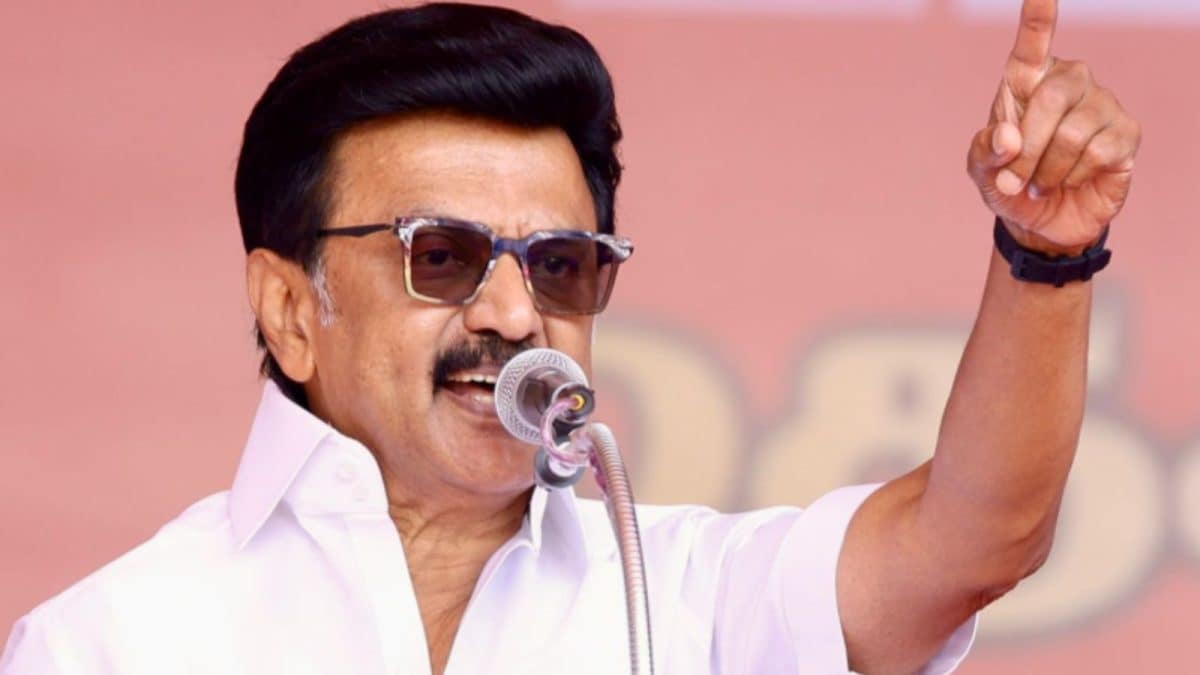
Honestly, when I first heard the latest news India about the upcoming Tamil Nadu polls, I thought it would be another round of the usual DMK‑AIADMK tussle. But the more I watched the breaking news segments, the clearer it became that this time the stakes are being painted as a fight for the state’s very soul. The CM, M.K. Stalin, isn’t just chasing a second term; he’s talking about preserving a "Dravidian model" that, in his words, defines Tamil identity against what he calls "Delhi‑controlled" forces.
What happened next is interesting the AIADMK, after years of staying out of the NDA, is back in the fold, and a fresh player, TVK, led by film star Vijay, is shaking the traditional two‑party arithmetic. It’s like watching a cricket match where a new bowler suddenly steps in and changes the whole game plan.
What’s at Stake for Stalin?
From my point of view, Stalin treats this election as a personal litmus test, not just for the DMK but for his own family’s legacy. He’s been pushing his son, Udhayanidhi Stalin, into the cabinet and the party hierarchy for a while now. A big win would silence the critics who call it "dynasty politics". On the flip side, a loss could spark an internal power struggle something his father, the late M. Karunanidhi, rarely faced.
He’s set a very ambitious target more than 200 seats for the Secular Progressive Alliance (SPA). That’s his way of keeping the "big brother" status over a massive coalition that includes the Congress, Left parties and the VCK. If you ask any of my relatives who tune into the evening news, they’ll tell you that they’re watching this as a trending news India story, not because they are political junkies but because they feel the outcome could change the kind of welfare schemes they rely on.
Many people were surprised by the entrance of TVK. Vijay’s party threatens to nibble away at the DMK’s youth and urban vote banks. I remember reading a viral news tweet that said, "Will TVK become the new kingmaker?" and that question has been on many minds ever since.
Stalin’s ‘Dravidian Model 2.0’ Campaign
Stalin’s narrative revolves around what he calls the "Dravidian model 2.0" a blend of social justice, women‑centric welfare and industrial growth. He constantly points to the 11.19% economic growth the state recorded in his first term. When I was reading an India updates article, I saw him highlighting projects like the school breakfast programme, free laptops for students and the ‘Naan Mudhalvan’ youth initiative.
He also boasts about schemes like the Kalaignar Magalir Urimai Thogai (women’s rights grant), free bus travel for women and doorstep healthcare. In one rally, he showed a video of a girl from Ramanathapuram getting clean drinking water after the joint drinking water scheme something that used to be a dire issue. He framed it as a shield protecting Tamil people "money or land can be taken away, but education is a permanent asset," he said. That line stuck with me; it felt like a promise that goes beyond politics.
What makes the campaign feel personal is that I can see the same slogans on posters outside my aunt’s tea shop in Coimbatore. The chatter there is full of references to "Dravidian model" and how the next five years could bring more "Naan Mudhalvan" programmes. It’s not just political rhetoric; it’s becoming a part of everyday conversation.
The Ideological Battle: DMK versus AIADMK‑BJP
Beyond the welfare promises, the election has turned into a fierce ideological clash. Stalin portrays himself as the defender of Tamil identity, accusing the Centre of trying to impose a "double engine" model that would jeopardise the state’s progress. He’s especially vocal about delimitation calling it "anti‑Tamil Nadu" and an attempt to punish states that have managed population growth and industrial development.
At a rally I watched on live TV, he said, "The fire we lit has reduced that bill to ashes" after the 131st Constitution Amendment Bill failed in Parliament. That moment felt like a dramatic climax in a movie the crowd roared, and social media exploded with viral news clips.
Stalin also counters allegations of being "anti‑Hindu" by pointing to the recovery of temple lands worth Rs 7,000 crore. He paints the AIADMK as a subservient partner to the BJP, framing the election as a choice between Tamil self‑respect and submission to a divisive, anti‑people ideology. The language is strong, and you can feel the intensity when you read the trending news India headlines.
He even draws on his personal history recalling his resistance during the Emergency in the 1970s to position himself as a paternal figure standing firm against forces that want to erode Tamil culture, language and rights.
Allied Support and National Implications
The opposition bloc, often called the INDIA alliance, has rallied behind Stalin. I saw a video on a local news channel where Arvind Kejriwal, the AAP convener, walked the streets of Chennai with Stalin, praising his development work. Their joint roadshow turned into a signal that the DMK’s fight is also a part of a larger national contest against the BJP.
Congress leader Rahul Gandhi also joined the chorus, attacking the delimitation plan as an "attack on the idea of the Union of India". Their statements have become a staple of the latest news India feeds, reinforcing the notion that the Tamil Nadu election could have ripple effects across the country.
Stalin didn’t shy away from taking on central agencies either. When the income tax department issued a notice against Tamil Nadu Congress President K. Selvaperunthagai, he called it a "conspiracy" born out of the BJP’s fear of defeat. That move added another layer to the narrative that the election is a stand‑off between regional autonomy and central dominance.
All these developments have made the Tamil Nadu polls a focal point of India updates for many citizens who otherwise might not follow state politics closely. Even my neighbor, who works in a call centre in Hyderabad, keeps asking about the DMK headlines because they seem to influence the national political climate.
Final Thoughts: What This Election Means for the Future
As the campaign enters its final stretch, the election feels like a defining moment for several reasons. First, it will decide whether the DMK can secure a comfortable majority that validates its "Dravidian model 2.0" and clears the way for Udhayanidhi Stalin’s political ascent. Second, it will test the resilience of the AIADMK‑BJP alliance, especially on contentious issues like delimitation.
Third, the outcome will shape the broader narrative of centre‑state relations in India. If Stalin wins big, it could embolden other regional parties to push back against what they see as central overreach. If he loses, it might signal a shift towards the BJP’s agenda even in the southern states.
From my perspective, watching the rallies, reading the news, and hearing the debates at family gatherings, it’s clear that this election is more than a routine political contest. It’s a story that has captured the imagination of millions a story that feels like the state’s heart is on the line. Whatever the results, the drama, the promises, and the passions surrounding the 2026 Tamil Nadu assembly election will stay with us as a vivid chapter in the state’s political saga.