Hundreds left stranded as the new Entry/Exit System (EES) sparks a wave of cancellations
Alright, let me tell you what happened when I tried to catch a flight from Milan to Delhi last week. I was looking forward to a quick layover before heading back home, but what I experienced was more like a scene straight out of a movie chaotic, a bit confusing, and surprisingly human.
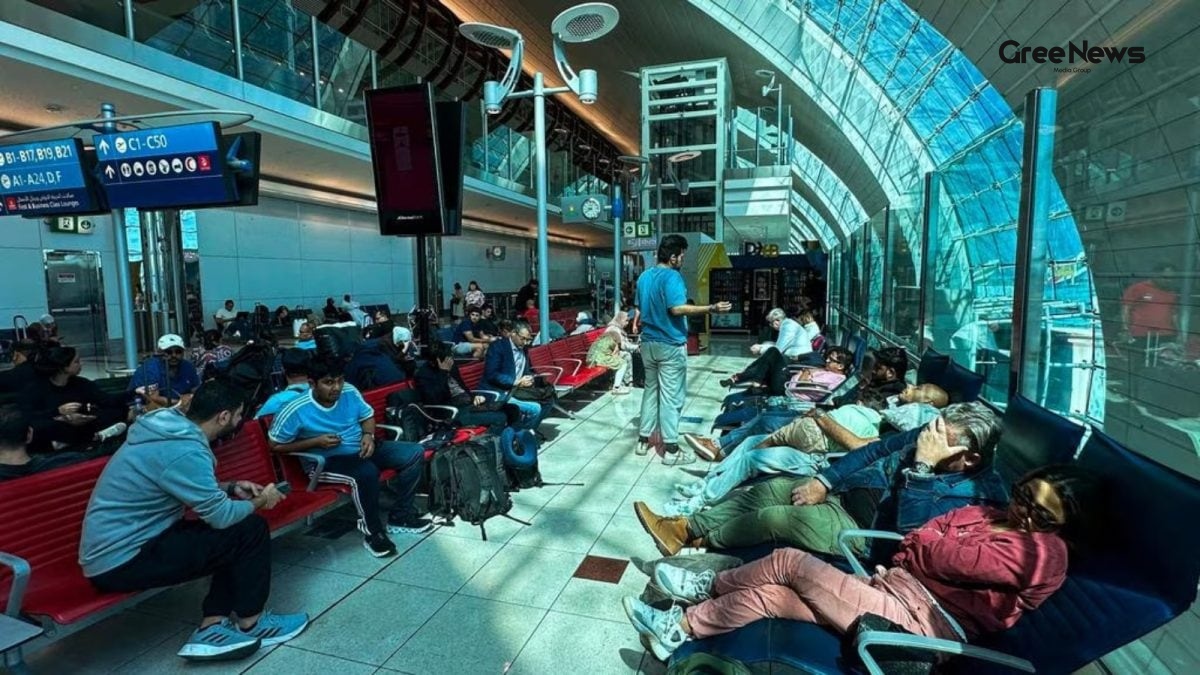
Picture this: the terminal was buzzing, a mix of weary tourists, business folks, and a few families trying to keep their kids entertained. Suddenly, the announcement system blared that the flight was delayed, not once, but repeatedly. I later learned that this was not an isolated case it was part of a "perfect storm" of technology glitches, peak travel demand, and some nasty weather we had back then. In fact, a recent operational report showed that within just a 24‑hour window, a massive 1,720 flights were delayed and 61 were outright cancelled across major hubs in the Netherlands, the UK and Italy. That number blew my mind!
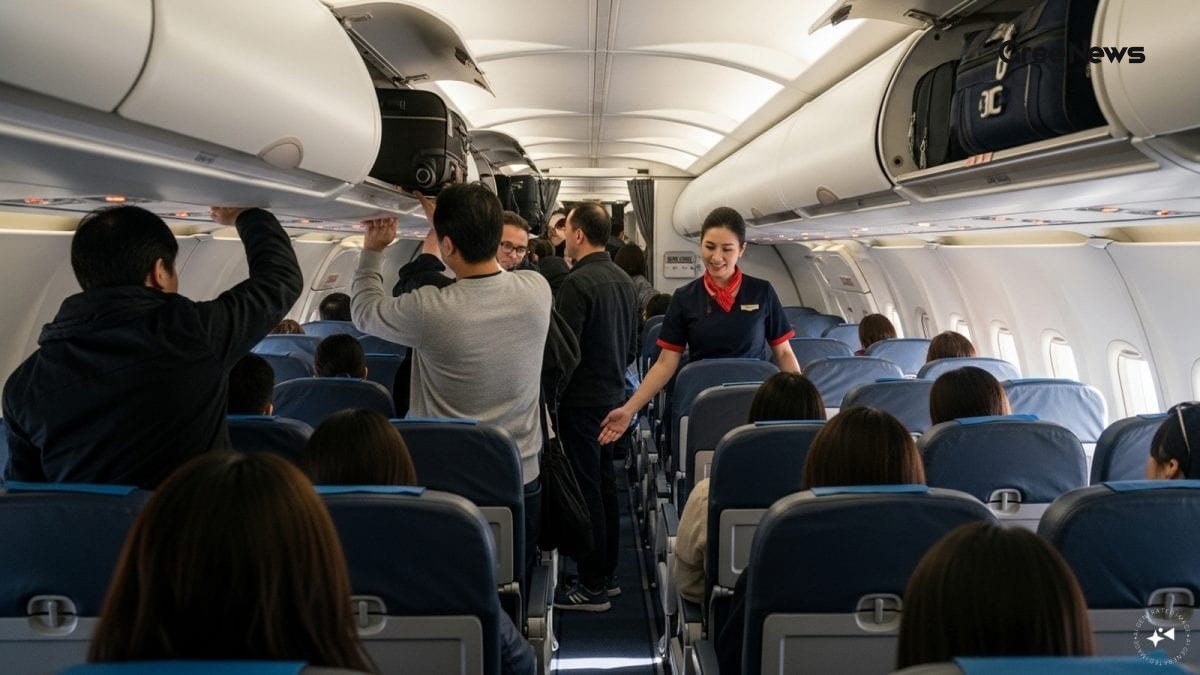
What really caught people’s attention was the incident at Milan Linate Airport. An easyJet flight bound for Manchester had to depart with 122 passengers left behind. Even though the plane arrived more than three hours early, those travellers were stuck in passport control queues that stretched on for what felt like an eternity three hours, give or take. I heard stories of people fainting from the heat and overcrowding, which made the whole situation look even more dire.
Why is the EES causing such a mess?
Before I dive into how I managed to get through, let’s understand the main culprit the EU’s Entry/Exit System, or EES for short. This is a digital border regime that has replaced the old-fashioned passport stamping with biometric checks fingerprints and facial scans for anyone who isn’t an EU citizen. That includes us Indian travellers, and even folks from the UK now.
It sounds modern, right? But here’s the catch: the new system is still finding its footing. Airports Council International (ACI) reported that processing times, which used to be a few seconds per passenger, have now ballooned to several minutes. Those minutes add up quickly when you have thousands of passengers streaming through. In most cases, the queues became "unmanageable" at big gateways like Paris Charles de Gaulle, Frankfurt, Brussels, and even the smaller ones like Barcelona and Athens.
Adding to the chaos were staffing shortages and severe weather over the North Sea that was another factor that compounded the delay. Aviation bodies have started demanding the power to suspend EES checks during peak periods, simply because the whole system is threatening to bring terminals to a standstill.
Now, you might be wondering why I’m sharing this because it’s not just "breaking news" for a few airline executives; it’s something that directly affects every Indian traveler planning a trip to Europe. And trust me, many people were surprised by how quickly the situation escalated.
How I navigated the EES nightmare (and what you should do too)
When I first landed at Milan Linate, the first thing I did was to check the airline’s app for any updates. The app kept flashing messages about "delays due to border control checks" a clear sign that the EES was the bottleneck. Here’s the practical approach I took, and it might just help you avoid getting stranded:
- Arrive earlier, but head straight to the border. The usual two‑hour‑before‑departure rule didn’t cut it. I arrived about four hours early, cleared security, and then walked straight to the EES registration desk. The earlier you get there, the better your chances of beating the peak queue.
- Keep your documents handy. Have your passport, boarding pass, and a printed copy of your EES registration (if you already have one) ready. It saved me a few seconds, and every second matters when the lines stretch for hours.
- Stay hydrated and carry snacks. The terminals were sweltering, and with limited seating, you might end up waiting longer than expected. A bottle of water and some biscuits kept me comfortable.
One tip that I heard from fellow travellers at the airport was to download the “EES Tracker” app a small, unofficial tool that shows real‑time waiting times at various checkpoints. It’s not perfect, but it gives you a heads‑up on where the longest lines are, and you can plan accordingly.
Also, keep an eye on airline notifications about re‑booking. Lufthansa, KLM and Finnair were constantly updating their passengers, offering alternate flights or refunds. If your flight gets cancelled, don’t wait for the airline to call you proactively check the app or the website. In most cases, the airlines honoured their duty of care, providing meals, accommodation, or transport to the next available flight.
Know your rights EC 261/2004
Now, let’s talk about the legal side what are you actually entitled to if a flight is delayed or cancelled? Under the European regulation EC 261/2004, airlines have specific obligations:
- Duty of Care: If your delay extends beyond two hours, the airline must provide you with meals, refreshments, and if needed, accommodation. I was given a voucher for a coffee shop, which was a small relief.
- Re‑booking: The airline should offer you an alternative flight at the earliest possible time. If you’re willing to take a later flight, they’ll usually try to get you on the next available one.
- Compensation: For flights of more than 3,500 km that are delayed by over four hours, you could be eligible for €600 (about ₹50,000) in compensation, unless the delay was caused by "extraordinary circumstances" but many experts argue that the EES rollout doesn’t qualify as such.
Remember, you have to claim this compensation within two years of the incident, so keep all your receipts and boarding passes handy. I filed my claim a week later, and the airline responded within ten days faster than I expected!
What’s coming next? The ETIAS era
While the EES is still causing hiccups, there’s another thing on the horizon the European Travel Information and Authorization System (ETIAS). It’s set to launch later this year and will be mandatory for Indian passport holders travelling visa‑free to the Schengen area.
Think of ETIAS as a digital visa you’ll need to apply online, pay a small fee, and get approval before you step foot in Europe. The good news? It’s supposed to speed up the border process, not slow it down. However, if you’re already frustrated with the EES, you might wonder if ETIAS will add another layer of bureaucracy.
My advice? Start preparing now. The ETIAS application is straightforward, you just need your passport details, travel itinerary, and some basic personal info. Once you have that “Green light,” you’ll be ahead of the curve when the system goes live.
And for those of us who love staying updated with the latest news India and viral news about travel, keeping an eye on official EU portals and reliable news outlets will help you avoid surprises.
Final thoughts stay calm, stay prepared
Looking back, the whole episode was a stark reminder that even with high‑tech solutions like the EES, the human element staffing, weather, and sheer passenger volume can still cause major disruptions. The experience taught me to be more flexible and to always have a backup plan.
If you’re planning a European trip anytime soon, think of this as a learning curve. Arrive early, know your rights, keep a snack handy, and stay informed with trending news India sources. You’ll probably still face some delays, but you’ll be better equipped to handle them.
Safe travels, and may your next flight be smooth!