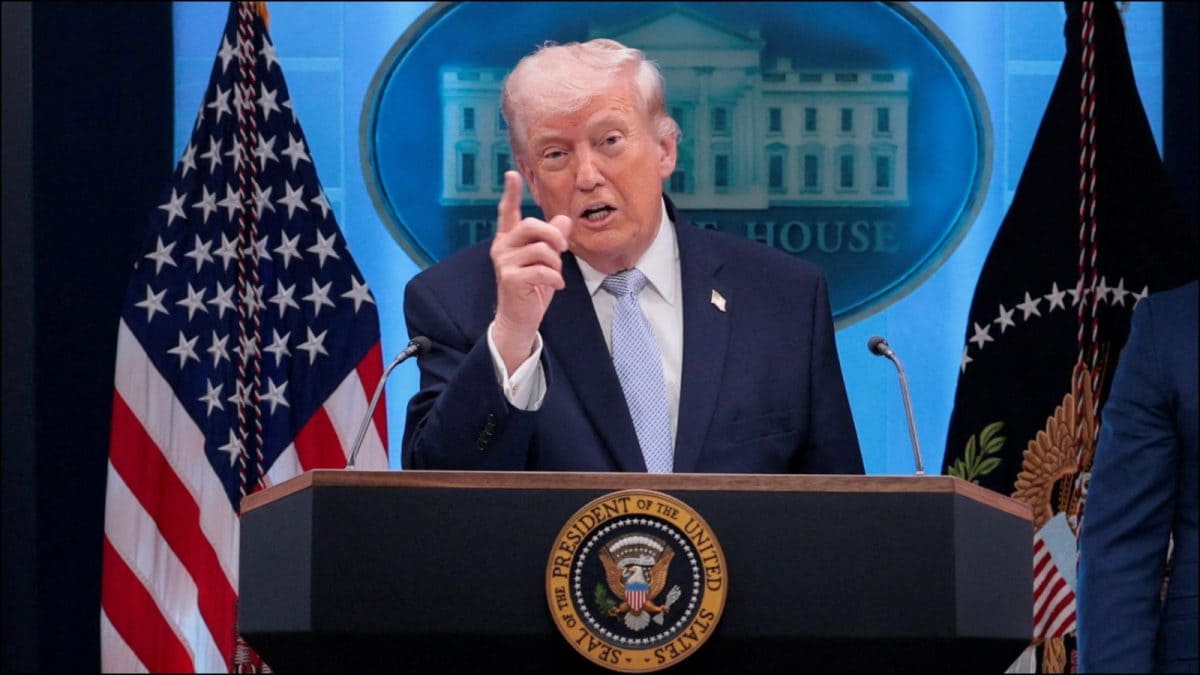
Trump says the upcoming naval action will be "very effective" and aims to squeeze Tehran after talks fell apart
So, imagine you’re sitting at home in Mumbai, scrolling through your phone, and you see a post from Donald Trump on Truth Social. He’s saying that the United States will start a naval blockade on ships that try to go in or out of Iranian ports, and the clock will start ticking at 7:30 pm IST. It felt a bit surreal, like something straight out of a thriller, but that’s exactly what was announced on Monday.
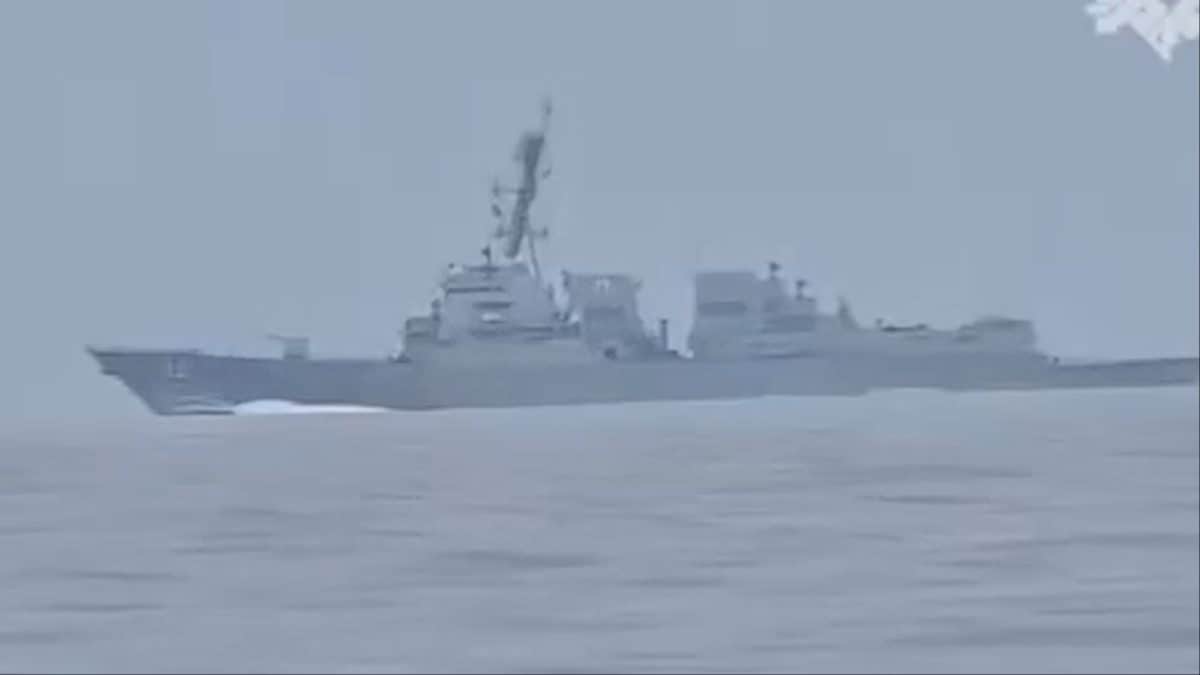
Donald Trump wrote, "The United States to Blockade Ships Entering or Exiting Iranian Ports on April 13 at 10:00 A.M. ET. Thank you for your attention to this matter!" The wording was short and to the point, but the implications were massive. Basically, it was a signal that the U.S. was ready to step up its pressure on Tehran after the peace talks in Islamabad didn’t bring any breakthrough.
Why the blockade now? The link to the failed Islamabad talks
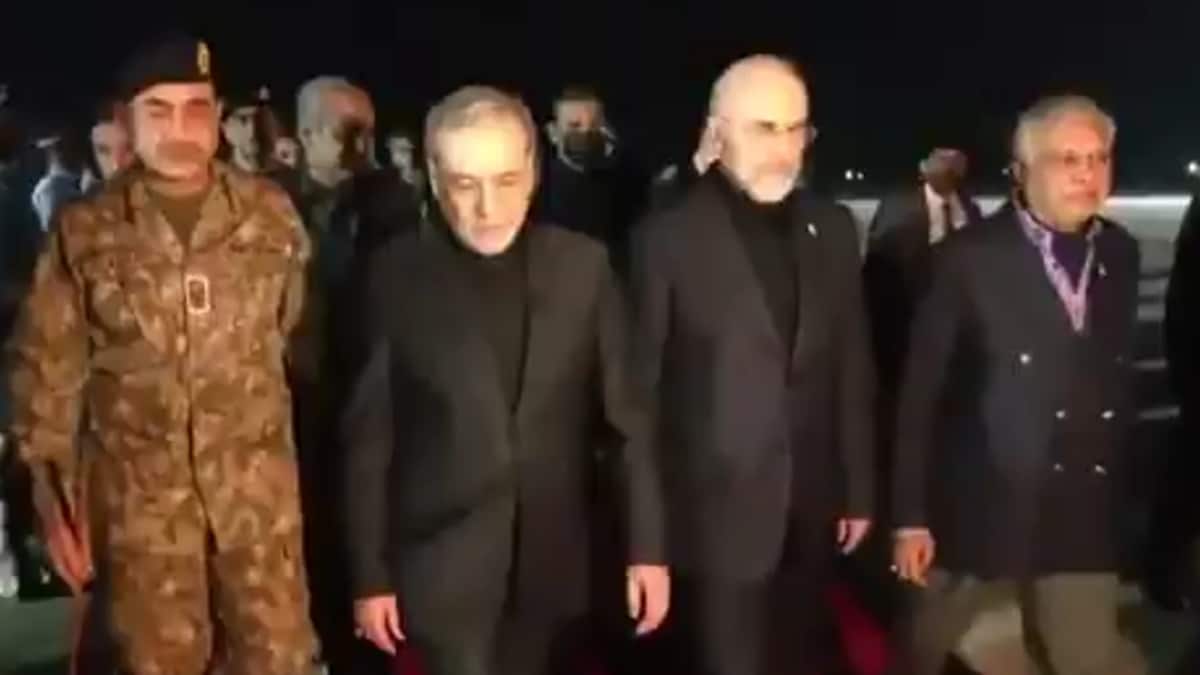
Before heading to Washington, D.C., Donald Trump had already told reporters that the decision came after marathon talks in Islamabad collapsed. Those talks were supposed to be a marathon of negotiations, hoping to cool down the simmering tensions in West Asia. When they fell apart, it seemed like the United States wanted to show it wasn’t just sitting back.
He kept saying that multiple countries were on board to curb Iran’s ability to export oil – a big chunk of Tehran’s revenue. The idea was simple: if Iran can’t sell oil, it’ll feel the pinch and maybe rethink its stance. In most cases, oil is the lifeline for many economies, and Iran is no exception.
Now, a lot of people were wondering whether this meant a full‑blown closure of the Strait of Hormuz – that narrow waterway that ships use to move oil from the Persian Gulf to the rest of the world. Officially, U.S. officials later clarified that they weren’t looking to shut the whole strait, just to block certain vessels from Iranian ports.
What the Strait of Hormuz really means for global oil
The Strait of Hormuz is like the highway for oil in the Middle East. Even before all this drama started, about 20 % of the world’s oil passed through that narrow stretch. After the cease‑fire talks collapsed, commercial traffic did pick up a little, but it’s still nowhere near the usual buzz you’d see on a busy Monday morning on the Mumbai port.
Imagine you’re on a train that usually carries 1000 passengers. Suddenly, the train only runs with 300. That’s how the shipping world feels now. The reduced traffic is a clear sign that the whole region is still on edge.
Every time there’s a hint of a blockade, ship owners and oil traders start re‑routing, looking for alternatives, and that adds to the cost of oil. So even a partial blockade can have big ripple effects on oil prices back home, in places like Delhi or Kolkata.
Iran’s reaction – calling the plan unrealistic and doomed
Iran didn’t take the announcement lying down. Mohsen Rezaee, a member of Iran’s Expediency Council, called the whole thing “doomed to failure.” He said Iran’s armed forces would make sure no such blockade could happen.
He even went a step further, saying, “Iran is not a place to be surrounded by tweets and imaginary plans,” as per state media. That line stuck with me because it sounded like a typical Indian mom telling you not to believe everything you read on the internet.
In the same vein, Mohammad Bagher Qalibaf, the speaker of Iran’s parliament, warned, “If you fight, we will fight.” The tone was definitely more like a neighbor shouting from the balcony rather than a diplomatic press release.
What does “very effective” actually mean?
When Donald Trump called the operation “very effective,” it raised a few eyebrows. Is he talking about cutting off oil revenue quickly? Or is he referring to sending a political message that the U.S. can still implement hard‑line measures?
From a practical standpoint, a blockade of this kind would require a fleet of naval vessels, surveillance aircraft, and a whole network of intelligence to spot the ships that are trying to slip in or out. That’s no small task, and it would involve coordination with allies – something Donald Trump hinted at when he said several countries are working with the U.S.
On the flip side, the effect on Iran’s oil exports could be limited if they find ways to bypass the blockade via clandestine routes or through overland pipelines. Still, the psychological impact of a U.S. naval presence is something that can’t be ignored.
How does this fit into the bigger picture of West Asian diplomacy?
West Asia has been a tinderbox for years. The cease‑fire talks in Islamabad signalled a brief window where diplomacy might have softened the situation. Their failure pushes the region back towards a more militarised stance.
In most cases, when diplomatic routes shut down, countries revert to showing strength. Donald Trump’s blockade is a clear example of that – a direct response after the talks fell apart.
But it also raises questions about the future. Will the blockade stay limited to Iranian ports, or could it expand if the situation worsens? And how will the other regional powers – Saudi Arabia, Israel, the United Arab Emirates – react? That’s the big unknown.
Potential impact on everyday Indians
Now, you might think this is all far away from our daily lives, but think about the petrol you pump in the morning. If oil prices rise because of a sudden slowdown in the Strait of Hormuz, that extra cost will travel down the chain – from the oil marketers to the fuel stations, and eventually onto your wallet.
Also, many Indian companies have contracts linked to oil prices. Shipping firms, for instance, could see their freight rates go up. Even if you don’t own a shipping business, higher freight costs can affect the price of imported goods – from electronics to spices.
So, the blockade, even if it seems like a distant naval operation, may well influence your grocery bill and the cost of a ride in an auto.
What’s next? Looking at possible scenarios
There are three main scenarios we might see unfold in the next few weeks. First, the blockade could stay narrowly focused, only targeting specific cargo ships, which would limit the disruption but still send a strong message.
Second, if Iran refuses to back down and the U.S. sees no effect, Washington might widen the scope, potentially affecting more of the Strait of Hormuz. That would be a much bigger shock to global oil markets.
Third, diplomatic channels could reopen – maybe a new round of talks in a neutral venue, like Geneva. If that happens, the blockade might be lifted as a goodwill gesture.
All three paths have different implications for both the regional power balance and for ordinary people like you and me.
Final thoughts – a personal take
Honestly, watching these developments felt a bit like waiting for a monsoon storm while stuck at a traffic jam – you know something big is coming, but you can’t predict exactly when it will hit.
Donald Trump’s blockading plan is definitely a move that raises the stakes, and the fact that he called it ‘very effective’ shows he believes it will have an impact. Whether that impact is economic, strategic, or just political, only time will tell.
Until then, we’ll just have to keep an eye on the news, listen to the analysts, and maybe pray for a peaceful resolution – because in the end, all we want is stability, whether it’s at home in our neighborhoods or across the seas.