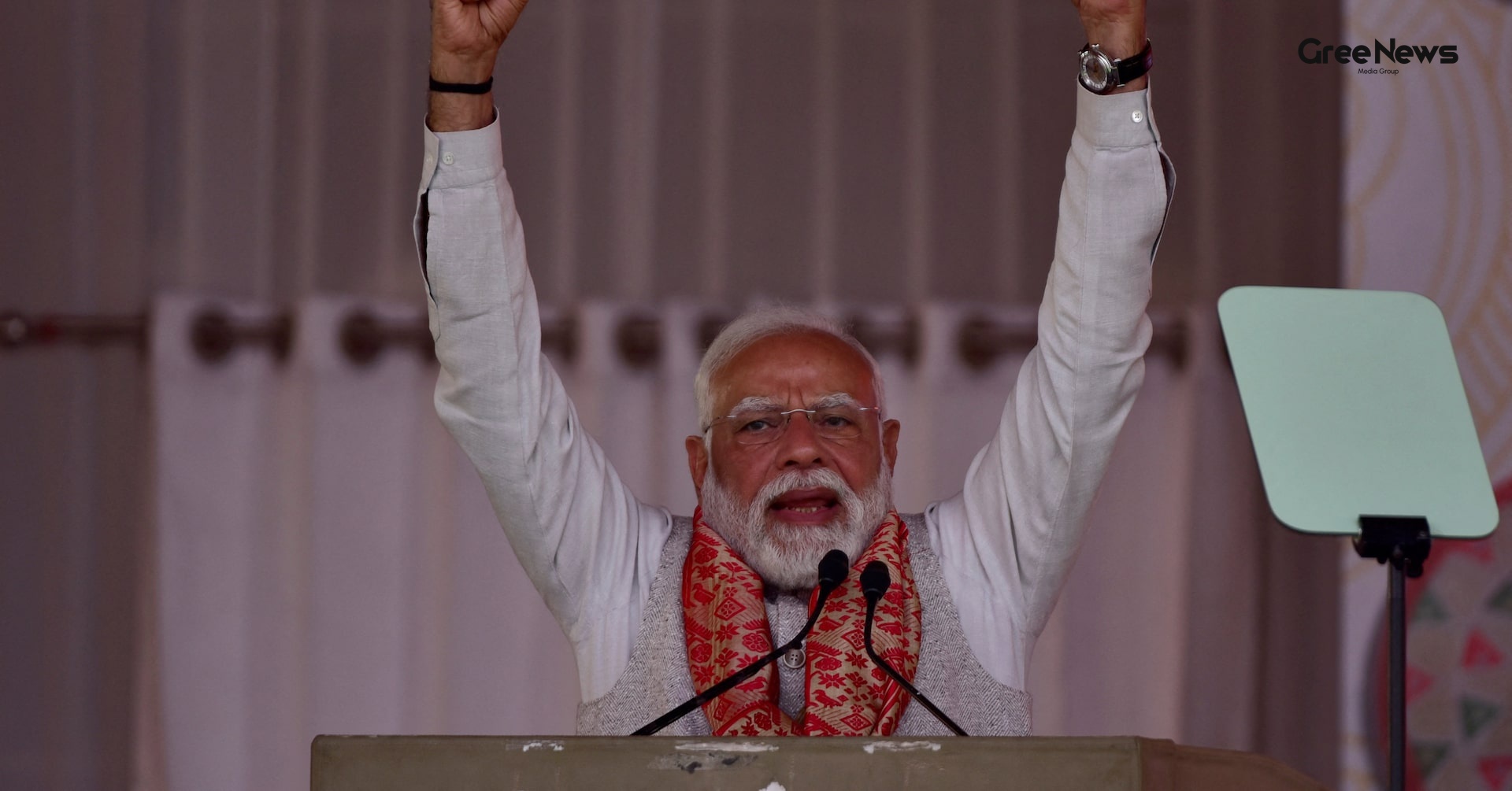
The first flight carrying Indian nationals deported from the US took off, marking a key moment in Donald Trump’s push for “the largest deportation in American history”. Here’s a look at illegal immigrants in the US, Trump’s mass deportation drive, and the staggering cost to America.
How I stumbled onto this story
Honestly, I was scrolling through my phone early morning, sipping chai, when a breaking news alert popped up about a plane full of Indians leaving the US. I remember thinking, “What’s happening now?” The headline screamed that this was part of Trump’s massive deportation agenda. That little notification pulled me into a rabbit hole of reports, videos, and heated comments on social media. It felt like the kind of "latest news India" story that everyone was sharing on WhatsApp groups, and I couldn’t help but wonder what it meant for families back home.
What happened next is interesting the story quickly turned into a full‑blown discussion about immigration policies, the cost of keeping undocumented workers, and the human side of being sent back after years of building a life abroad. I started noticing that not just Indian users, but people across the diaspora were talking about it, making it truly trending news India for a few days.
Background: Who are the illegal immigrants in the US?
To set the stage, let’s look at the numbers. Estimates suggest there are roughly 10‑12 million undocumented immigrants living in the United States. Among them, a sizable chunk comes from Latin America, but there’s also a notable Indian community many of whom arrived on student visas, work permits, or through family reunification, only to overstay or face legal hurdles later.
In most cases, these individuals have taken up jobs in tech, healthcare, hospitality, and even agriculture. They’re often the ones you see quietly working behind the scenes, like the Indian kitchen staff in a downtown restaurant or the IT support guy fixing servers at a small startup. The reality is, for many families, the US has become a second home, and the idea of being forced out is more than just a political headline it’s a personal crisis.
Trump’s mass deportation drive the plan behind the headlines
Now, let’s talk about the man behind the policy. Donald Trump made it clear during his tenure that he wanted to crack down hard on illegal immigration. His administration rolled out a series of executive orders aiming to increase the number of removals, speed up the legal process, and allocate more resources to immigration enforcement agencies.
One of the most talked‑about components was the promise of “the largest deportation in American history”. The idea was to set a target of removing millions over a few years, using both voluntary return programs and forced removals. In many ways, the first flight carrying Indian nationals felt like a symbolic start a real‑world illustration of a political promise turning into a concrete action.
Many people were surprised by how quickly the policy shifted from paperwork to actual planes. The logistics involved coordination between US Immigration and Customs Enforcement (ICE), airlines, and the Indian embassy. The whole operation became a piece of viral news that sparked debates across news channels, blogs, and even the kitchen tables of Indian families.
What’s the price tag? The staggering cost to America
Besides the human angle, there’s a massive financial component. According to several studies, the US spends billions each year on immigration enforcement covering everything from border patrol agents to detention facilities and legal proceedings.
One estimate suggests that each deportation can cost the government anywhere between $2,000 to $5,000, depending on the complexity of the case. Multiply that by millions, and you’re looking at a staggering amount that could easily run into tens of billions of dollars. In most cases, this is money that could otherwise go into infrastructure, education, or healthcare.
Many analysts argue that the cost isn’t just fiscal it’s also economic. Removing undocumented workers can lead to labor shortages in sectors that heavily rely on them, like agriculture and hospitality. That’s a ripple effect that can affect food prices and service availability, something that even ordinary shoppers notice without realizing the link.
Impact on India what can we expect?
From an Indian perspective, the story takes on several layers. First, there’s the possibility of a sudden influx of returnees who might need assistance with job placement, language training, or even mental health support after a traumatic experience. The Indian government has started preparing for this scenario, setting up helplines and liaison offices at major airports.
Second, families back home are watching with mixed emotions. Some are relieved that their loved ones are finally returning, while others worry about the economic fallout many of these migrants used to send remittances that helped support households, pay school fees, or fund small businesses.
Lastly, the broader diplomatic relationship between the US and India could see some strain or, conversely, an opportunity for dialogue on immigration reforms that benefit both nations. The whole episode has turned into a discussion point in many Indian policy circles, adding another dimension to the trending news India narrative.
Personal reflections why this matters to me
Honestly, hearing about Indian families being forced back after years of building a life abroad made me think of my cousin, who moved to the US for a tech job a few years back. He’d always talked about the opportunities, the lifestyle, and even the occasional homesickness. The idea that he could be suddenly uprooted is unsettling, to say the least.
Seeing the footage of a packed plane, the weary faces, and the solemn officials reminded me that behind every statistic is a real person with dreams, responsibilities, and a story. That’s why the article resonated so much it wasn’t just another piece of breaking news, but a human story that could happen to anyone I know.
In most cases, people tend to overlook the personal side when policies are discussed in political debates. This episode forced a pause for many of us to consider the individual cost, not just the national or economic implications.
What the future holds a few thoughts
Looking ahead, it’s hard to predict exactly how the deportation wave will evolve. If the US continues on this path, we might see more flights, more families waiting at airports, and a growing need for support systems on both sides of the Atlantic.
For India, the focus could shift to creating better integration programs for returnees, enhancing skill‑development initiatives, and ensuring that the domestic job market can absorb the incoming workforce. On the social front, the story will likely stay in the limelight as long as families share their experiences on social media, making it a piece of viral news that keeps trending.
One thing’s clear the intersection of immigration policy, economics, and human stories will keep generating discussions, debates, and perhaps even more breaking news alerts in the days to come.
Top videos
Swipe Left For Next Video