Ahead of the sequel, here's looking back at the lesser‑known facts from The Devil Wears Prada that released in 2006.
Why a quick rewind matters for Indian fans
Honestly, when I first heard about the sequel, I was like, “Hold on, should I rewatch the original or just jump straight in?” In most cases, especially with movies that become a part of our pop‑culture, a little refresher helps you catch nuances you might have missed the first time. It’s kind of like when we read a trending news article for the second time and notice details that were hidden in the background. The original The Devil Wears Prada was more than just a fashion comedy; it was a snapshot of a fast‑moving work environment that many Indian youngsters can relate to, especially those chasing careers in media and advertising.
What caught people’s attention back then was how the story balanced humor with a very real slice of life. If you’re watching the sequel without remembering that balance, you might miss the director’s subtle nods to the original’s tone. That’s why I recommend a short recap not a full‑blown marathon, but just enough to jog your memory.
Personal anecdotes that stick with me
One evening, after a long day at the office, I gathered a few friends at my flat for a movie night. We ordered pizza, brewed some masala chai, and hit play on the 2006 classic. While we laughed at the exaggerated runway moments, we also found ourselves nodding at the scenes where the protagonist struggles with unrealistic deadlines. That feeling of ‘this could be me’ is something many Indian viewers resonated with, especially those working in bustling metros like Mumbai or Bengaluru, where the pressure to perform is real.
During the intermission, my friend from Chennai whispered, “Did you notice the tiny way the assistant’s desk was cluttered? It’s a visual cue about the chaos behind the glamour.” That tiny detail, which most of us may have brushed past, actually set the tone for the whole film. It’s these little things that many people were surprised by and they become conversation starters on social media every time a new sequel is announced.
Subtle elements that made the original a cult favourite
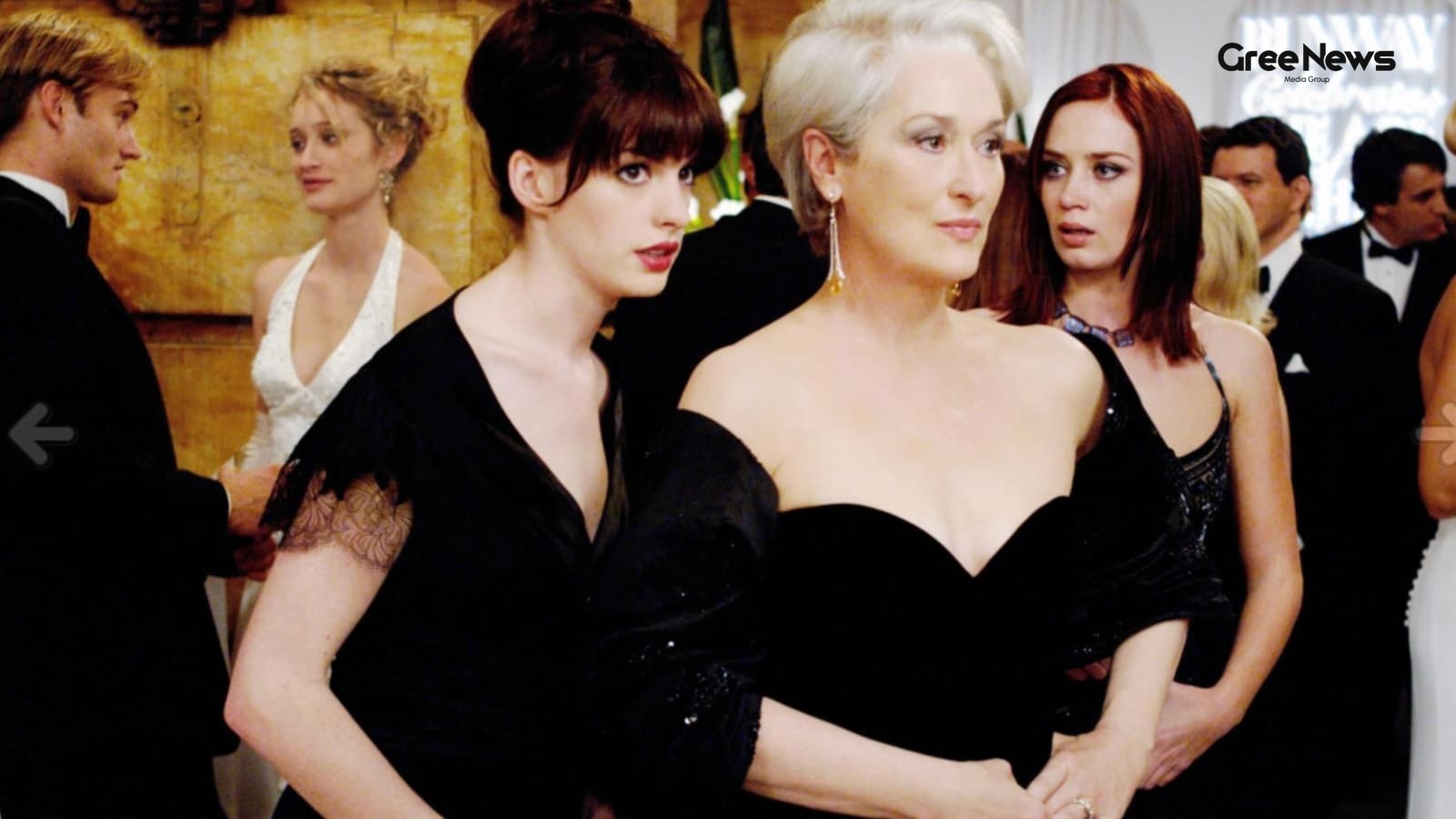
First, the wardrobe. The iconic outfits weren’t just about style; they reflected the hierarchy inside the office. The boss’s power suit, for instance, was designed to intimidate and command respect. In most Indian corporate settings, we see a similar pattern the senior manager’s crisp blazer versus the junior’s more casual attire. That parallel made the movie instantly relatable for the Indian audience, turning a fashion talk into a broader commentary on workplace dynamics.
Second, the script’s use of humor to critique the obsessive pursuit of perfection. A line that slipped past me during the first watch “That’s all,” the boss says after an impossible request actually mirrors the kind of breaking news pressures Indian journalists face today. It’s no wonder that when the film re‑surfaced in recent trending news India discussions, many highlighted those jokes as timeless.
Lastly, the city backdrop. Although the story is set in New York, the fast‑paced city life translated well for Indian metros. The bustling streets, the hurried commuters, and the never‑ending hustle felt familiar, especially for those who binge‑watch viral news about city life across India.
What you’ll notice in the sequel that ties back to the original
Now that the sequel is about to drop, many are asking, “Will the new film reference the old one?” The answer, based on early buzz, is a big yes. Expect a few callbacks maybe a wardrobe piece that looks like a nod to the original’s signature coat, or a line that mirrors the “That’s all” moment. This caught people’s attention when the trailer dropped; fans immediately started threading the old and new together on social platforms.
In most cases, sequels thrive on nostalgia. If you remember the original’s rhythm, you’ll pick up on these subtle Easter eggs faster. That’s why I suggest you keep a mental note of the key scenes we discussed the desk chaos, the power suit, the relentless deadline pressure because they’ll help you spot the new references without feeling lost.
How the original still influences today’s breaking news and viral discussions
Even after more than a decade, the film keeps popping up whenever there’s a discussion about workplace culture in India. You’ll see it mentioned in podcasts about the gig economy, in articles about work‑life balance, and even in trending news India feeds that talk about office etiquette. Many influencers quote the movie’s iconic dialogues when they talk about demanding bosses or unrealistic expectations a clear sign that the film’s impact is still alive.
It’s also worth noting that the film’s themes align with current India updates on mental health at work. Several NGOs reference the movie in their campaigns, using its scenes to illustrate the stress many employees face. So, watching it again now isn’t just nostalgic; it’s also a way to see how pop culture weaves into real‑world conversations.
Practical tips before you press play on the sequel
- Refresh your memory: Watch the original’s trailer or a short recap video just enough to get the vibe back.
- Observe the details: Keep an eye on the costumes and office settings; they often hide clues about the story’s direction.
- Connect with friends: Share your thoughts on social media; you’ll find that many Indian fans are already discussing the sequel in trending news threads.
- Stay curious: When a familiar line pops up, pause and think is it a direct reference or a new twist?
What happened next is interesting after following these simple steps, you’ll feel more engaged, and the sequel will seem like a natural continuation rather than a standalone story.
Final thoughts: Embrace the journey from 2006 to now
In the end, the original The Devil Wears Prada isn’t just a movie; it’s a cultural touchstone that still sparks conversation across India’s digital landscape. Whether you’re a student dreaming of a media career, a professional navigating office politics, or simply a cinema lover who enjoys a good laugh, revisiting the 2006 classic will give you a richer experience when the sequel finally rolls out.
So, before you dive into the new chapter, take a moment, maybe brew a cup of chai, and let the lesser‑known bits from the original settle in. Trust me, many people were surprised by how much those small details can enhance your viewing pleasure. And who knows? You might even spot an easter egg that becomes the next viral news piece in India.