White House warns staff against insider‑info misuse after sharp oil trades and Iran ceasefire bets
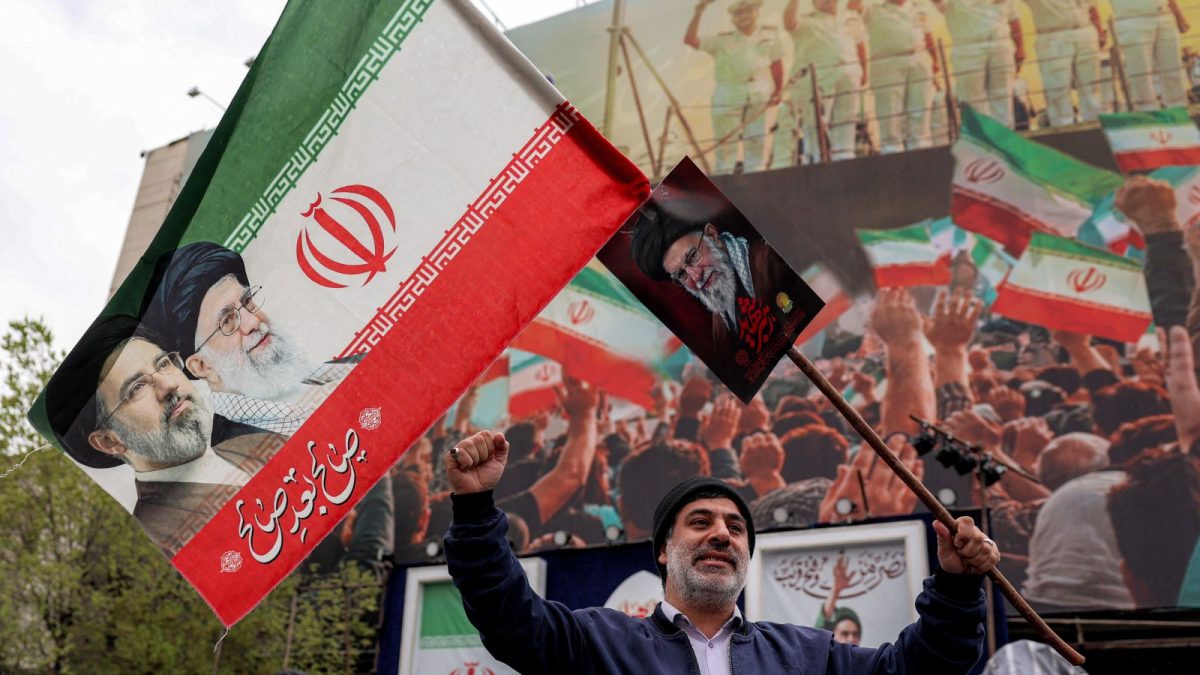
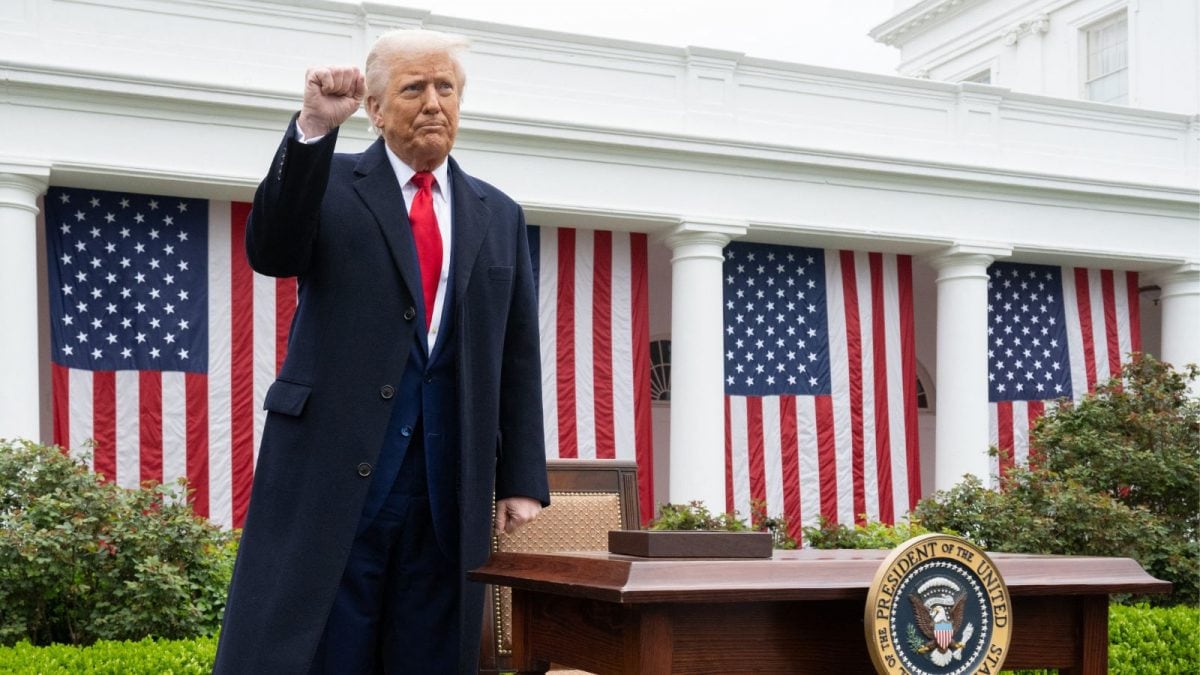
Honestly, the whole thing felt a bit like a drama series when I first heard about it. One day, President Donald Trump goes on his social media platform and says the US is pulling back its air strikes on Iran – a move nobody saw coming. And the very next morning, the White House shoots out an internal email saying, “Hey, don’t use your position to earn money from this.” It sounded like a simple reminder, but the background was anything but simple.
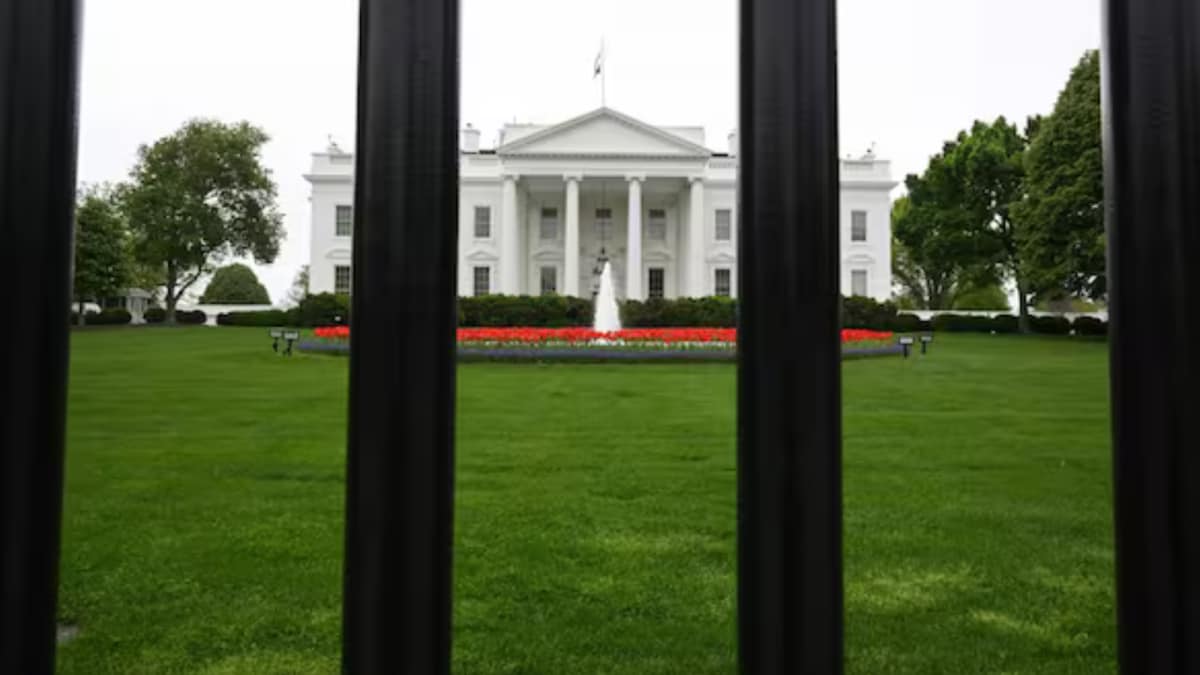
According to people who have been close to the matter, the notice was sent out on March 24 from the White House Management Office. The email basically acted as a refresher for all staff, especially because a massive spike in oil futures trading had just been spotted. Within a few minutes of Trump’s post on Truth Social, data from Dow Jones Market Data showed that traders moved a staggering $760 million in oil futures contracts. That’s a huge amount of money shifting hands in a blink, and it naturally raised eyebrows about who knew what and when.
How the oil futures frenzy unfolded
To put it simply, oil futures are contracts where you bet on the future price of crude. When there’s a geopolitical shake‑up – like a sudden pause in military action – the market can swing wildly. In most cases, seasoned traders keep an eye on news feeds and act fast. But the timing of this $760 million trade was uncanny. It happened almost at the same moment Trump announced the pause, which made many wonder if some people in the government or close to it had tips that weren’t public yet.
Now, I’m no economist, but I remember my uncle in Mumbai who works in a commodities firm. He used to tell me that when such huge trades happen in a short period, regulators start looking closely – not because they assume wrongdoing, but because the pattern can hint at misuse of information. The White House seemed to be pre‑emptively addressing that very concern.
Polymarket and the Iran cease‑fire prediction
While the oil market was buzzing, another story was gaining traction on a crypto‑based prediction platform called Polymarket. Three separate accounts on that platform apparently earned more than $600,000 by correctly guessing the exact timing of a cease‑fire involving Iran. This wasn’t a small bet – the platform allows users to wager on real‑world events, ranging from election outcomes to, in this case, military negotiations.
These accounts didn’t just win a few bucks; their profits were comparable to the amount that changed hands in oil futures. Critics quickly jumped on the story, speculating whether the bettors had some sort of advance knowledge about the diplomatic talks. The White House didn’t have any evidence that officials leaked information, but the incident added fuel to the fire about how prediction markets could be misused.
By the way, I once saw a friend in Delhi use a similar platform to bet on cricket match results. It’s a fun hobby for many, but when you start betting on wars and cease‑fires, the stakes and ethical concerns become a whole different ball game.
Official response from the White House
The administration confirmed the email’s authenticity. Davis Ingle, the White House spokesperson, told the Wall Street Journal that “the only special interest that will ever guide President Trump is the best interest of the American people.” While that sounds like a typical political line, Ingle also emphasized that members of Congress and other government officials should be barred from using non‑public information for personal financial gain.
Ingle dismissed any allegations of wrongdoing as “baseless and irresponsible reporting.” He also noted that existing federal rules already forbid gambling on government premises and the use of privileged information for profit. However, the rise of crypto‑based prediction platforms presents new ethical challenges because they often allow anonymous participation, making it harder for regulators to trace who is betting what.
One senior official described the email as a timely “refresher” given the heightened scrutiny of large, suspicious trades. Basically, they wanted to remind staff that even the appearance of a conflict of interest can damage public trust.
Legal landscape and existing rules
In the United States, there are clear statutes that prohibit insider trading and the use of privileged government information for personal gain. The Securities Exchange Act, for instance, makes it illegal for anyone with non‑public material information to buy or sell securities. Likewise, the Federal Election Campaign Act bars employees from gambling on government premises.
What makes prediction markets tricky is their hybrid nature – they’re part financial instrument, part gambling activity, and often run on crypto technology that can obscure participants’ identities. This gray area has left regulators scrambling to catch up, and the White House’s advisory can be seen as an attempt to bridge that gap until more concrete legislation arrives.
From an Indian perspective, we have a similar struggle. The Securities and Exchange Board of India (SEBI) has been trying to bring crypto assets under its purview, while the Supreme Court has dealt with cases about insider trading in the stock market. The challenges are universal: how do you police something that can be done from a bedroom in Bengaluru or a café in Delhi?
Political debate – calls for a ban on betting on war
The whole episode has sparked a fresh political debate in Washington. Senator Richard Blumenthal warned that prediction markets are “turning war into a casino game, and creating a market for national security leaks.” Together with Senator Andy Kim, he’s pushing a bill that would ban any form of betting on military events.
Blumenthal’s argument is that allowing people to profit from war or cease‑fire outcomes creates perverse incentives. “Corruption and exploitation,” he said, “are flourishing within regulatory gaps.” The proposed legislation would close those gaps by categorically outlawing bets tied to military actions, similar to how many countries already ban gambling on elections or public referendums.
It’s an interesting debate because, on one hand, prediction markets can provide useful information about public expectations. On the other hand, when the stakes involve human lives and national security, the moral calculus changes dramatically.
International examples that raise alarms
Recent incidents beyond the US have added more fuel to the controversy. In a case that made headlines, a trader earned over $400,000 by betting on the downfall of Venezuelan President Nicolás Maduro shortly before his capture. The timing, again, seemed too perfect to be mere coincidence.
Another unsettling episode unfolded in Israel, where authorities arrested several individuals – including army reservists – for allegedly using classified information to place bets on military operations via Polymarket. These arrests underline how prediction markets can become a conduit for leaking sensitive data, especially when participants are insiders with access to real‑time operational details.
These stories, though happening in different corners of the world, share a common thread: the intersection of high‑stakes financial speculation with geopolitics. They highlight why governments, including the US, are now taking a much closer look at how to regulate – or possibly ban – such wagering.
What this means for everyday people
For most of us, the headline sounds like something far removed from daily life. Yet, the ripple effects can be felt closer to home. Imagine a trader in Mumbai watching the same oil futures spike and deciding whether to buy or sell based on information that might not be public. Or a youngster in Kolkata using a crypto app to place a tiny bet on an international cease‑fire, not realizing the broader ethical implications.
In most cases, ordinary citizens are unlikely to have insider access to diplomatic negotiations. But the very possibility that some people might exploit such information erodes trust in institutions. That’s why the White House’s reminder, even if it feels like an internal memo, is actually part of a bigger effort to maintain confidence in how government information is handled.
And if you’re someone who loves to stay updated on market moves, the takeaway is simple: tread carefully, keep ethics in mind, and remember that some information is meant for public consumption only.
Looking ahead – possible regulatory steps
Going forward, we can expect a few possible paths. The most direct would be the passage of the Blumenthal‑Kim bill, which would explicitly ban betting on any military or national security‑related events. Such a law would likely require crypto platforms to implement stringent KYC (Know Your Customer) procedures and possibly shut down specific markets that revolve around war outcomes.
A less drastic approach would involve updating existing securities and gambling regulations to cover prediction markets more comprehensively. The Securities and Exchange Commission (SEC) could issue new guidance on how to treat crypto‑based event contracts, while the Commodity Futures Trading Commission (CFTC) might broaden its oversight to include non‑traditional derivatives.
From the Indian angle, we have already seen the government proposing stricter rules for crypto exchanges and a push for better KYC compliance. If the US moves ahead with tighter controls, it could set a precedent that other nations, including India, might follow.
Regardless of the route, the conversation is clearly shifting from “is this legal?” to “is this ethical?” and ultimately to “should we allow it at all?”
Conclusion – a reminder to keep integrity front and centre
All in all, the episode serves as a stark reminder that when government decisions intersect with financial markets, the line between public duty and private profit can get blurry fast. The White House’s internal advisory, while simple on its face, underscores a larger ethical challenge that modern technology – especially crypto‑based prediction markets – has brought to the fore.
Whether you’re a policy wonk, a trader, or just a curious citizen reading this over a cup of chai, the key takeaway is to stay vigilant. Information is power, but with power comes responsibility. As the debate continues in Congress and across the globe, we’ll likely see tighter rules and perhaps even outright bans on betting on wars. Until then, the safest bet is to keep integrity at the centre of any financial decision you make.
And if you ever find yourself tempted to place a tiny wager on a geopolitical event, just pause and think: “Am I crossing a line?” – because once you cross, the consequences can be far bigger than a few hundred dollars.