Rice The Heartbeat of Indian Kitchens
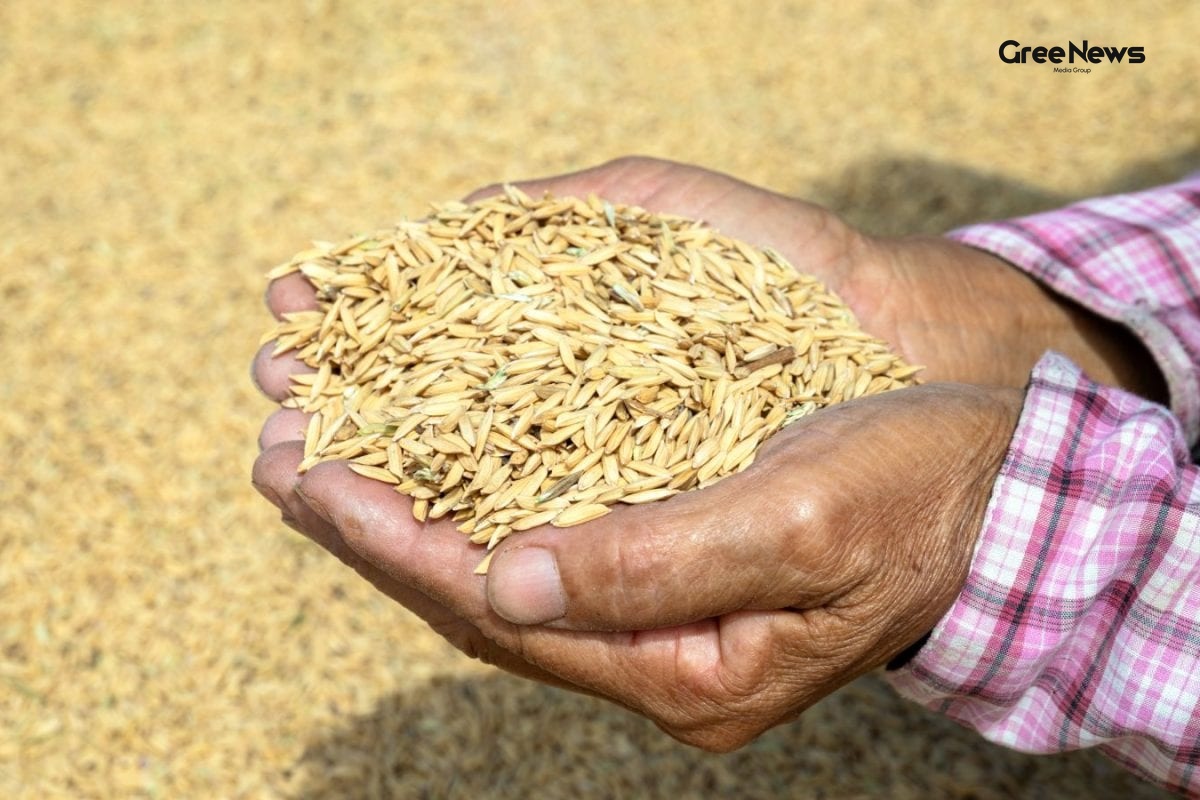
Whenever I sit down for a traditional Indian meal, the first thing that catches my eye is a steaming mound of rice. It’s not just food; it’s a cultural thread that ties together families across the subcontinent. You know, in most Indian households we never really think about where this humble grain comes from it’s just there, on our plates, day after day. But a few weeks back, while chatting with my uncle from Kolkata, I learned something that completely shifted my perspective West Bengal isn’t just another rice‑producing state; it’s proudly hailed as the Rice Capital of India.
This revelation sparked a curiosity in me. I started digging into why this particular state gets the title. And what I found was an extraordinary mix of geography, history, and sheer passion for the grain that makes West Bengal stand out from the rest.
Why West Bengal Earns the “Rice Capital” Tag
First off, let’s talk numbers because, honestly, they speak louder than any story. West Bengal consistently tops the charts as the highest per‑acre rice producer in the country. The fertile alluvial plains of the Ganges‑Brahmaputra delta create ideal conditions for paddy cultivation. In most cases, the monsoon rains feed the fields naturally, reducing the need for costly irrigation.
But numbers alone don’t paint the whole picture. The state’s deep-rooted connection with rice runs right into its festivals and daily rituals. Have you ever attended a Bengali wedding? The feast is incomplete without fragrant basmati or the local Gobindobhog a short‑grain rice that practically melts in your mouth. During Poila Boishakh, the Bengali New Year, people prepare an elaborate spread called panta bhat fermented rice soaked in water, a dish that’s both a cultural symbol and a refreshing treat.
Seeing all this, it’s no wonder many people were surprised by how central rice is to the very identity of West Bengal. The state doesn’t just grow rice; it lives and breathes it.
My Journey Through the Paddy Fields
Last year, I decided to actually visit a paddy farm near Hooghly. I remember the early morning mist hanging over the fields, the sound of water gently lapping against the bunds, and the distant chatter of the farmhands. I was invited by a local farmer, Mr. Banerjee, who was happy to share his day‑to‑day routine. He showed me how the seedlings are transplanted by hand a practice that, surprisingly, still dominates despite the wave of mechanisation.
What caught my attention next was the sheer dedication. Mr. Banerjee told me a story about how his family has been cultivating rice for five generations. He joked that “if rice was a music, we’d be the lead singers.” That line stuck with me, because it perfectly captures the pride that families across West Bengal hold for their crop.
This personal encounter made the term "Rice Capital" feel less like a label and more like a lived experience. It also reminded me of the many viral news clips where farmers share their love for rice those moments truly go viral for a reason.
Economic Impact More Than Just Food
Beyond culture, rice is a massive economic driver for West Bengal. The grain supports millions of livelihoods from the farmer planting the seed to the vendor selling the cooked bowl on the street. In fact, the state’s rice export market has been growing steadily, with shipments going to neighboring countries like Bangladesh and even to regions as far as the Middle East.
According to recent government reports which you might have seen in some latest news India segments West Bengal contributes roughly 30% of the nation’s total rice output. That’s a staggering figure when you consider how many states are involved in agriculture across the country.
And it’s not just the big farms; tiny kitchen‑garden plots also add up. These micro‑farms help sustain local economies, especially in rural pockets where other job opportunities are limited. This, honestly, is why the state’s title as the rice capital isn’t just a brag; it’s a testament to the role rice plays in keeping communities afloat.
Challenges The Dark Side of the Paddy
Now, not everything is sunshine and rice stalks. Climate change has become a real threat to the very heartland of West Bengal’s rice fields. Unpredictable monsoons, flooding, and even droughts in certain years have forced farmers to adapt quickly.
Interestingly, the state government launched a series of schemes the kind you see highlighted in breaking news to promote resilient rice varieties and modern irrigation techniques. While these initiatives are promising, the transition isn’t always smooth. Many smallholders still rely on traditional methods, and that’s where the state’s rice capital status faces a bit of a test.
There’s also the issue of market fluctuations. When global rice prices swing, West Bengal’s farmers feel the pinch. Some recent trending news India articles have highlighted protests by farmers demanding fair prices, underscoring that the title “Rice Capital” also comes with responsibilities and challenges.
Future Outlook Keeping the Capital Thriving
What’s next for West Bengal’s rice legacy? From my conversations with agricultural experts, the answer lies in a blend of tradition and technology. Precision farming, drone surveillance of fields, and the use of bio‑fertilisers are slowly gaining traction. These tools aim to increase yield while preserving the environment a win‑win for both farmers and the state’s reputation.
There’s also a growing interest in value‑added rice products. Think ready‑to‑cook packets of Gobindobhog rice, or nutritionally fortified rice sold under government schemes. Such innovations could help West Bengal maintain its edge as the rice capital, even as consumer preferences evolve.
In most cases, the spirit of the people their love for the grain and their resilience will continue to be the driving force. It’s fascinating to see how a simple staple can shape an entire region’s identity and future.
Wrapping Up A Grain That Defines a State
So, if anyone asks you which state is called the Rice Capital of India, you now have a story to tell one that’s packed with numbers, culture, personal anecdotes, and a hint of future possibilities. West Bengal’s claim isn’t just about production volumes; it’s about the way rice weaves through everyday life, festivals, and the economy.
Next time you sit down for a bowl of steaming rice, think of the endless fields of West Bengal, the farmer’s early‑morning labor, and the legacy that makes this grain more than just food it’s a symbol of a state’s pride and perseverance. And who knows? Maybe you’ll start sharing this story with friends, turning another piece of "viral news" into a conversation about India’s cherished staple.
Top Videos
Swipe Left For Next Video