Why cooling foods matter during the Indian summer
Honestly, I used to think fighting the heat was all about turning on the AC and drinking lots of cold soda. But after a few sweaty days of feeling light‑headed during my evening walks in Delhi, I realised my diet was playing a huge role. When you eat foods that are high in water content and have natural cooling compounds, your body doesn’t have to work as hard to regulate temperature. That means fewer headaches, less fatigue, and a lower chance of getting those annoying heat rashes that pop up on the neck and forearms.
In most cases, these foods also bring along electrolytes like potassium and magnesium, which help replace what you lose through sweat. And the best part? You don’t need any fancy cooking skills. Most of these items are available in local markets, street stalls, or even right from your own garden.
1. Crisp Cucumber – The Everyday Hydrator
Let me start with the humble cucumber. I literally have a cucumber slice in my bag most days, just in case I need a quick bite while stuck in traffic. Cucumber is about 95 % water, so it instantly helps replenish fluids. It’s also low in calories, which is why it’s a favourite in salads and even in my morning raita.
Practical tip: Peel it a bit if the skin feels too bitter, then sprinkle a pinch of roasted cumin powder and a dash of lemon juice. It gives a tangy twist that reminds me of the street‑side chaats of Mumbai, but without the extra oil. I also like adding thin cucumber sticks to my glass of buttermilk – it makes the drink look pretty and adds that extra crunch.
One thing I noticed—when I started having cucumber daily, my skin felt less oily and the occasional break‑outs reduced. Maybe it’s the cooling effect on the pores, I guess.
2. Watermelon – Sweet Relief on a Hot Day
Watermelon is basically summer’s gift wrapped in a red‑pink rind. I remember my childhood of sitting on the terrace during school holidays, licking the juice off the fruit with my fingers while listening to the distant honk of scooters. It’s not just tasty; each bite is packed with about 92 % water, plus vitamins A and C that support skin health.
In most Indian homes, we cut watermelon into cubes and sprinkle a little black salt and chaat masala. The salty‑spicy contrast is oddly satisfying, and it also adds a bit of sodium, which helps retain water in the body. If you’re feeling adventurous, blend watermelon with a few mint leaves and a splash of lime for a refreshing slush that beats any store‑bought juice.
From my own experience, eating watermelon after a long train journey often feels like a quick reset – the thirst disappears, and I feel lighter.
3. Fresh Mint – The Tiny Herb with a Big Cooling Punch
Mint may be tiny, but it packs a punch. Whenever I make a glass of lemonade or a simple lassi, I always toss a few fresh mint leaves in. The menthol in mint triggers receptors in the mouth that signal coolness to the brain, even if the drink itself isn’t ice‑cold.
One habit I’ve formed is preparing a small mint‑water blend in the morning. I crush a handful of mint leaves, add them to a litre of water, let it sit for a while, and then sip throughout the day. It’s like having a natural, gentle air‑conditioner inside.
Mint also works great in salads – I often add it to cucumber‑tomato mixes for a fresh, cooling side dish. And if you’re feeling fancy, you can make a quick mint‑pudina chutney using coriander, Green chilies, and a bit of yoghurt. It’s perfect with grilled paneer or tofu, especially during a summer barbecue at the rooftop.
4. Buttermilk (Chaas) – The Classic Indian Cooler
Now, I can’t talk about cooling foods without mentioning buttermilk, or ‘chaas’ as we call it in many parts of India. It’s basically diluted yoghurt with a sprinkle of spices. I drink a glass after lunch almost every day, especially when the sun is blazing high.
Buttermilk is rich in probiotics, which keep the gut happy, and the lactic acid helps lower body temperature from the inside. I usually whisk it with a pinch of roasted cumin powder, a dash of black salt, and a few curry leaves. The aroma takes me back to my grandmother’s kitchen in Punjab, where a glass of chaas was always waiting on the table.
Here’s a quick tip: add a few grated carrots or beetroot to the buttermilk for a pop of colour and extra nutrients. It looks like a colourful drink at a family gathering, and kids tend to love it more.
5. Coconut Water – Nature’s Electrolyte Drink
If you’ve ever been to a beachside stall in Goa or Kerala, you’ll know the joy of a fresh coconut water straight from the shell. I keep a couple of small coconut water packs handy in my bag for those days when I’m stuck in a crowded metro station and need a quick hydration boost.
Coconut water is low in sugar but high in potassium, magnesium, and calcium – exactly the minerals you lose when you sweat a lot. It’s also light on the stomach, so you can sip it even after a heavy meal without feeling bloated.
One little variation I try is mixing coconut water with a splash of fresh lime juice and a pinch of rock salt. It tastes almost like a homemade sports drink, only more natural and definitely cheaper.
6. Aloe Vera Juice – The Gentle Skin Saver
Aloe vera is something you see on most balconies during summer because it’s easy to grow. I started drinking a shot of aloe vera juice every morning after reading how it can help regulate body temperature and improve digestion.
The gel inside the leaf has a cooling effect similar to applying a cool compress on the forehead. It also contains antioxidants that protect the skin from UV damage. I blend the fresh aloe gel with a bit of honey and water, making a slightly sweet juice that’s gentle on the palate.
From my perspective, after a week of adding aloe juice to my routine, my skin felt less irritated from the harsh sun, and I noticed fewer dark spots on my arms. It’s a small change, but the difference is noticeable.
Putting It All Together – Simple Ways to Include These Foods Daily
Now that we’ve covered each cooling food, let me share a few practical ideas on how to weave them into a typical Indian day. First, start your morning with a glass of buttermilk or a mint‑water blend. It wakes you up and gives a gentle chill before you head out for the day.
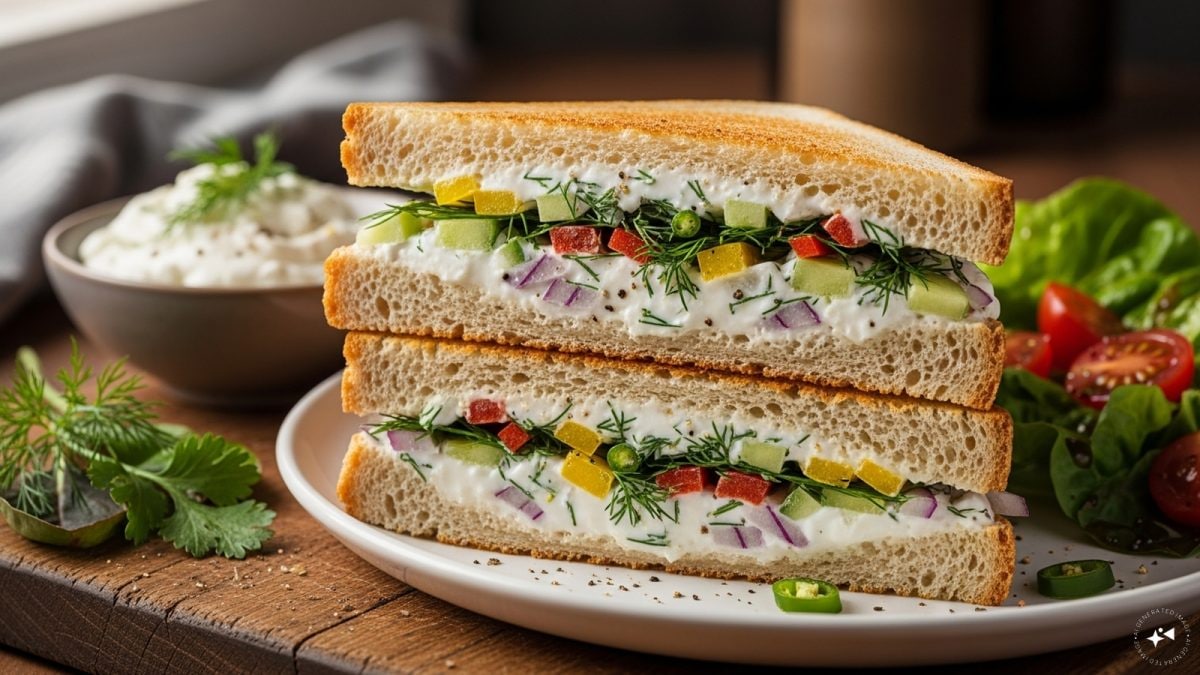
For breakfast, add cucumber slices to your poha or upma. The crunch brightens up the dish and adds moisture without any extra cooking.
Lunch can be the perfect time for a side of watermelon cubes sprinkled with a pinch of chaat masala. It not only aids digestion but also balances the spiciness of many Indian curries.
In the afternoon, keep a bottle of coconut water or a small glass of aloe juice at your desk. When the AC is off and the office feels like an oven, a sip will instantly bring down that inner heat.
Evening snacks? Toss some fresh mint leaves into a bowl of fruit salad or prepare a quick cucumber‑mint raita. It’s light, cooling, and satisfies those cravings without turning on the deep‑fry pan.
Finally, before bedtime, a warm glass of buttermilk with a pinch of turmeric can help calm the body and prepare you for a good night’s sleep, especially after a scorching day.
All these small tweaks feel easy enough that you don’t need a whole new recipe book – just a few habit changes, and you’ll notice the difference.
Final Thoughts – Staying Cool Is a Lifestyle, Not Just a Season
Honestly, I used to think the Indian summer was something you just endured. But after trying these cooling foods, I realised it’s more about adapting our daily habits. The foods we pick can act as natural air‑conditioners, soothing our bodies from the inside.
In most cases, the key is consistency. A single slice of watermelon won’t completely shield you from a heatwave, but regular inclusion of cucumber, mint, buttermilk, coconut water, and aloe vera gradually builds resilience. Your body learns to regulate temperature better, you stay hydrated, and you reduce the chance of heat‑related ailments.
So next time you’re at the local market or your kitchen pantry, grab a few of these items and start experimenting. Mix, match, and enjoy the flavors that remind you of monsoon breezes, rainy evenings, and the simple joy of feeling cool, even when the mercury climbs sky‑high.
Stay safe, stay hydrated, and keep your plate colorful and refreshing – that’s my recipe for surviving (and even enjoying) the Indian summer.