CBSE vs GSEB: Which Board Is Better for Your Child? (2025 Complete Guide)

In this in-depth comparison, we break down the key differences between CBSE (Central Board of Secondary Education) and GSEB (Gujarat Secondary and Higher Secondary Education Board) across every important dimension - so you can make a truly informed decision for your child.
Understanding the Two Boards: An Overview
CBSE (Central Board of Secondary Education): Established as a national board, CBSE creates uniform standards across all of India. It serves students in government, private, Kendriya Vidyalaya, and international schools, and its curriculum is closely aligned with national competitive exams like JEE, NEET, and CUET.
GSEB (Gujarat Secondary and Higher Secondary Education Board): GSEB is the state board that governs secondary and higher secondary education in Gujarat. It customizes its curriculum to reflect regional demands, cultural norms, and state-level policy priorities. It is the primary board for government-aided and many private schools within Gujarat.
CBSE vs GSEB - Side-by-Side Comparison
| Criteria | CBSE | GSEB |
|---|---|---|
| Scope | National (India + abroad) | State-level (Gujarat only) |
| Curriculum | NCERT-based, standardized | State textbooks, regional content |
| Medium of Instruction | English & Hindi | Gujarati, English, Hindi |
| Difficulty Level | Concept-based, analytical | Simpler, textbook-focused |
| Competitive Exam Alignment | JEE, NEET, CUET - highly aligned | Aligned with GUJCET; JEE/NEET needs extra prep |
| Mobility | Easy transfer across states/countries | Best suited for Gujarat only |
| Fees | Generally higher (private schools) | Lower (government-aided schools) |
| Recognition | National + International | Fully recognized in India, regional focus |
| Teaching Style | Application & concept clarity | Theory-based, evolving gradually |
| Marking Scheme | CCE with internal assessment | State board exams, stricter marking |
| State Exam (GUJCET) | Extra preparation needed | Advantage - syllabus overlap |
Curriculum & Syllabus Depth
One of the most critical points of comparison is the syllabus. CBSE uses NCERT textbooks as its core reference - these are concise, concept-rich, and widely available with abundant online resources. The NCERT content forms the backbone of national entrance exams, giving CBSE students a distinct structural advantage.
GSEB uses state board textbooks that reflect Gujarat-specific syllabus design. While historically considered less rigorous, recent reforms mean the GSEB science stream for Classes 11 and 12 now overlaps with NCERT material by approximately 80–90%. In some areas, like mathematics, the GSEB approach is often considered more student-friendly due to its separate chapter structure.
Difficulty Level
CBSE is widely considered more demanding in terms of analytical and application-based questions. Following NEP 2020, CBSE prioritizes critical thinking and competency-based questions over rote memorization.
GSEB has traditionally been more memory-based and textbook-centric. While this is more accessible for students who prefer direct learning, it can create a gap for national exams unless students supplement their studies with NCERT materials.
Competitive Exam Preparation (JEE, NEET, GUJCET)
- CBSE for JEE/NEET: Students enjoy direct alignment. Regular exposure to NCERT content means less additional coaching is often required to build a competitive foundation.
- GSEB for JEE/NEET: Students can clear these exams but usually require targeted coaching to bridge the content and question-style gap.
- GSEB for GUJCET: GSEB students have a major advantage as many questions are drawn directly from state textbooks. CBSE students must specifically prepare for this pattern.
Language & Cultural Relevance
GSEB’s unique advantage is its provision for Gujarati-medium education. This is the natural choice for families who prefer instruction in their mother tongue to reduce cognitive barriers. CBSE is predominantly English-medium in most urban private schools.
Fees & Affordability
GSEB schools, particularly government-aided institutions, are substantially more affordable. CBSE private school fees in Gujarat typically range from ₹30,000 to ₹1.5 lakh or more per year, making GSEB a practical pathway for families on a budget.
Recognition & Mobility
CBSE is ideal for families who relocate frequently or plan for international higher studies. GSEB is fully recognized within India, but transfers outside of Gujarat can involve more administrative paperwork regarding marksheets and subject codes.
Which Board Should You Choose?
Choose CBSE if: You target national competitive exams, your family may relocate, or you prefer a nationally integrated English-medium curriculum.
Choose GSEB if: You prefer Gujarati-medium instruction, are settled long-term in Gujarat, seek affordability, or target local engineering admissions (GUJCET).
The Golden Rule: A good school with excellent teachers will outperform a weaker school on any board. School quality matters more than the board label.
Common Myths Debunked
- Myth 1: GSEB students cannot crack JEE/NEET. (FALSE)
- Myth 2: CBSE is always harder. (Not entirely accurate)
- Myth 3: GSEB is outdated. (The syllabus has been significantly modernized)
Frequently Asked Questions (FAQs)
Q1. Is CBSE better than GSEB for engineering entrance exams?
Yes, CBSE has better alignment with JEE and NEET, though GSEB students can achieve equal results with coaching.
Q2. Which board is better for students staying in Gujarat?
For staying in Gujarat and targeting GUJCET, GSEB is practical. For broader national options, CBSE is recommended.
Q3. Does GSEB have strict marking compared to CBSE?
Historically, GSEB is considered stricter, while CBSE's CCE model offers more internal scoring opportunities.
Q4. Is the GSEB syllabus easy compared to CBSE?
It is generally more accessible, but the difficulty gap has bridged significantly in recent years.
Q5. Can a GSEB student transfer to a CBSE school?
Yes, transfers are possible, though students may need to bridge certain syllabus gaps.
Written by GreeNews Team — Senior Editorial Board
GreeNews Team covers international news and global affairs at GreeNews. Our collective of senior editors is dedicated to providing independent, accurate, and responsible journalism for a global audience.
More from Blogs
View All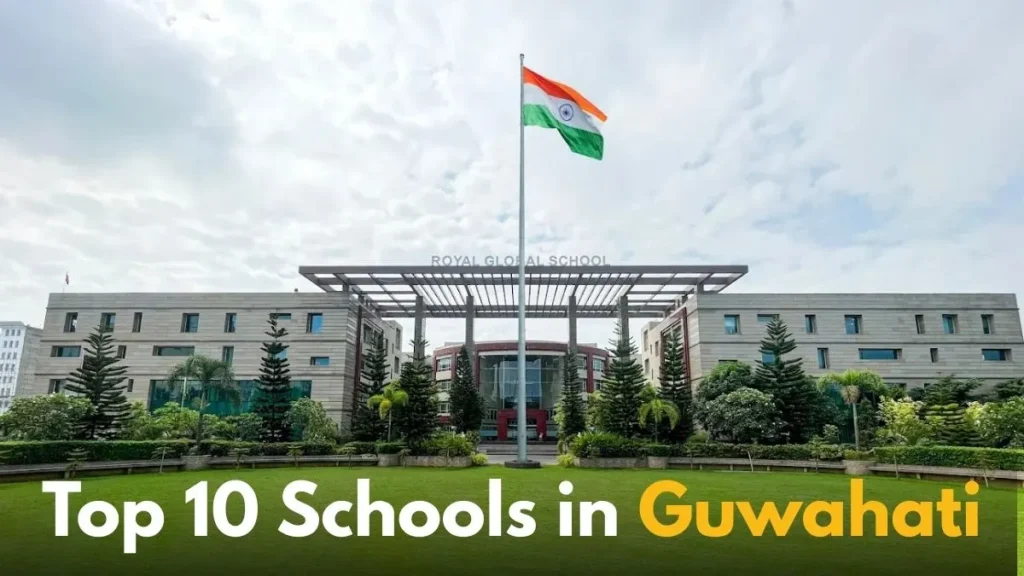
Top 10 Schools in Guwahati (2025): Your Complete Guide
Guwahati the vibrant gateway to Northeast India is rapidly emerging as one of the most prominent educational hubs in the country. Nestled on the southern banks of the mighty Brahmaputra River in Assam, this historic city combines rich cultural heritage with a thriving modern education ecosystem. Whether you are a parent new to the city or a long-time resident re-evaluating your child's schooling options, choosing the right institution is one of the most impactful decisions you will ever make.
Apr 7, 2026 by GreeNews Team

Top 10 Schools in Pune (2025): Best CBSE, ICSE & International Schools
Known as the 'Oxford of the East' — a moniker given by former Prime Minister Jawaharlal Nehru — Pune has long been synonymous with educational excellence. This dynamic Maharashtra city, once the headquarters of the Maratha Empire's Peshwas, is today one of India's most sought-after education destinations. With a population of over 6.8 million and a thriving IT, engineering, and startup ecosystem, Pune attracts families from across India who demand world-class schooling for their children.
Apr 7, 2026 by GreeNews Team
Latest Headlines
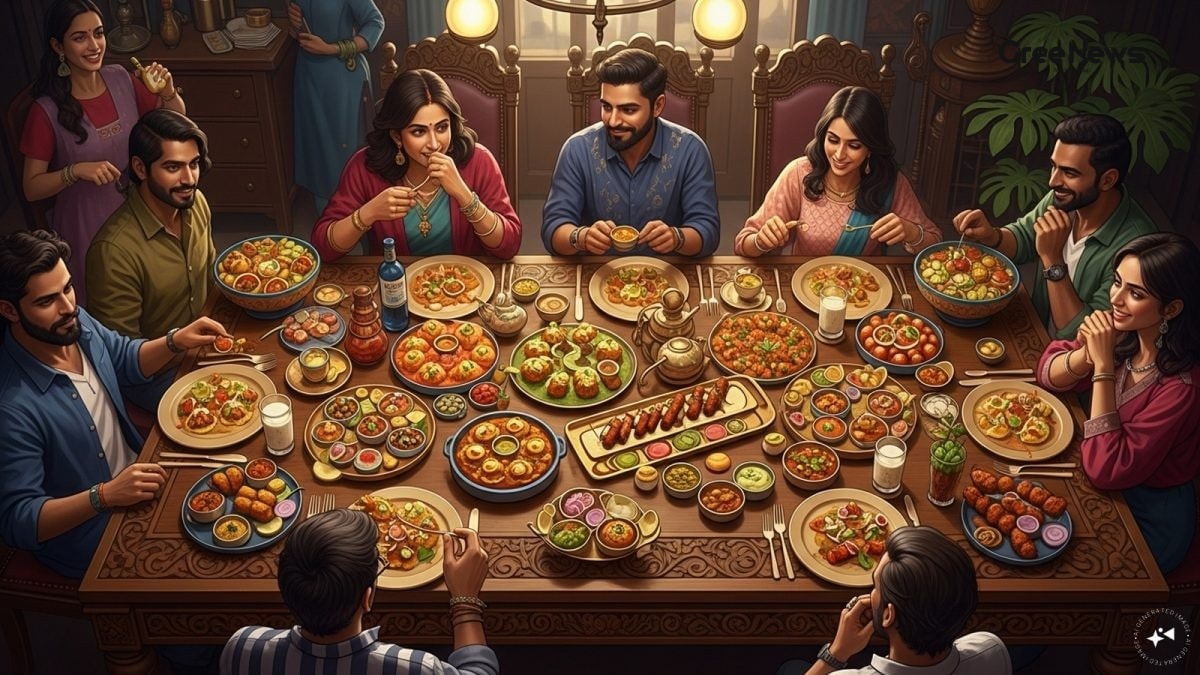
Why My Protein Is Going ‘Namkeen’ in 2026 and the Other Food Trends Shaping India’s Kitchen
The 9th Godrej Food Trends Report, unveiled at the Tasting India festival in New Delhi, points to a dramatic shift in the Indian food landscape for 2026. Rather than chasing gimmicks, consumers are now looking for deeper stories behind what they eat from bold, flavour‑packed dishes that celebrate the country’s love for spice, to the rising prominence of the Indian female farmer whose produce is becoming a premium hallmark. Traditional sweets are getting a modern twist, merging global textures with hyper‑local ingredients, while protein snacks are moving away from sweet, chalky bars towards savoury, street‑food inspired flavours. Home kitchens are becoming smarter, using high‑quality pre‑made bases that save time without compromising health. At the same time, the era of theatrical restaurant gimmicks is fading, making way for honest, region‑specific concepts that tell a clear story. This article shares a first‑hand account of attending the festival, highlights the key trends ‘Chatpata’ maximalism, the invisible backbone of women farmers, the Mithai makeover, the protein reality check, the smart home kitchen, and the death of theatrical dining and weaves in the latest news India, breaking news, and trending news India to keep readers both informed and engaged.
Apr 30, 2026 by GreeNews Team

Punjab Police Uncover Massive Terror Plot After Patiala Rail Blast, Seize RPG, RDX and Grenades
In a dramatic turn of events that has become breaking news across India, Punjab Police revealed a sprawling terror conspiracy behind the Patiala freight corridor blast. The investigation led to the seizure of a rocket‑propelled grenade, a 2.296 kg improvised explosive device, more than a kilogram of RDX, hand grenades, pistols, live cartridges and sophisticated communication gear. Authorities say the network was backed by handlers in Malaysia, linked to Pakistan’s ISI, and even connected to a US‑based individual named Surinder Singh Thikriwal. Four members of a pro‑Khalistan module, including Satnam alias Satta and his brother Jagrup Singh, were arrested after a fierce encounter that left Jagrup Singh dead. Director General of Police Gaurav Yadav confirmed the operation exposed a wider web of terror operatives, prompting heightened concerns over railway security and prompting a flurry of reactions on social media. This detailed account covers the seized weaponry, the international links, the arrests, and what the ongoing probe means for India’s infrastructure safety, reflecting the latest news India is buzzing about.
Apr 30, 2026 by GreeNews Team

Vinesh Chandel’s Bail Granted After Coal Scam Probe What It Means for West Bengal Politics
In a development that has captured the attention of many across the country, I-PAC director Vinesh Chandel was released on bail by Delhi’s Patiala House Court in connection with a money‑laundering case linked to an alleged coal scam in West Bengal. The Enforcement Directorate (ED) did not oppose the bail, but the court imposed strict conditions, including prohibitions on tampering with evidence or influencing witnesses, and a requirement for Chandel to stay cooperative and accessible throughout the investigation. Chandel, a law graduate from NLIU Bhopal and a 33 % shareholder of I‑PAC, which handled the Trinamool Congress’s recent poll campaign, was earlier sent to judicial custody and had been questioned by the ED over alleged involvement in the generation, diversion and possession of proceeds of crime worth several crores. This article walks you through the background of the case, the court’s decision, the reactions from political circles and what this bail might imply for the upcoming political scenario in West Bengal, all while keeping the tone of a friend sharing the latest breaking news and its nuances.
Apr 30, 2026 by GreeNews Team
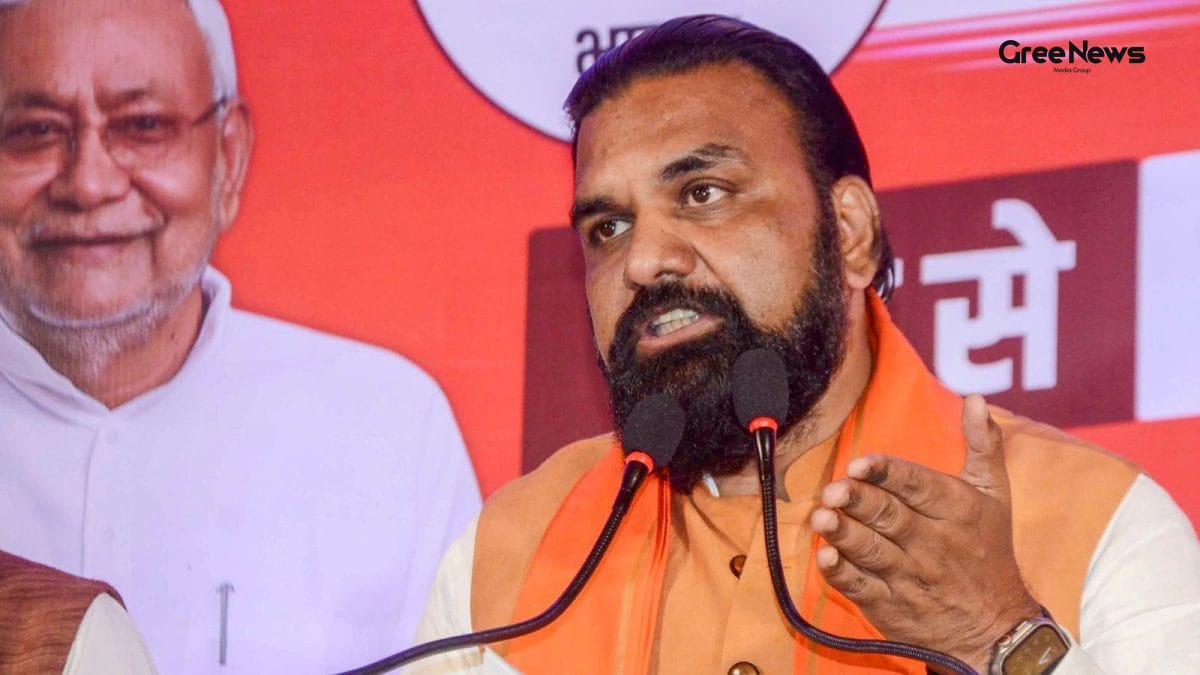
Bihar Govt Strips Sanjay Gandhi Name from Patna Zoo & Dairy Institute What It Means
In a surprising turn of events that has become the talk of the town, the Bihar government has officially removed the name of Sanjay Gandhi from two major institutions in Patna. The Sanjay Gandhi Biological Park, a beloved landmark since the 1970s, has been renamed "Patna Zoo" and the Sanjay Gandhi Institute of Dairy Technology has been rebranded as the Bihar State Institute of Dairy Technology. These changes were part of a massive cabinet meeting chaired by Chief Minister Samrat Choudhary, where 61 decisions were approved, ranging from a massive power‑subsidy scheme for consumers to the creation of new degree colleges in underserved blocks, a Centre of Excellence for autism treatment, and the allocation of land for a new National Institute of Fashion Technology campus. While the renaming has sparked a mix of curiosity, nostalgia, and debate among locals, the broader set of welfare and education initiatives promises to reshape the state's development landscape. This article walks you through the details, the reasons behind the renaming, and what these moves could mean for people across Bihar, all presented in a conversational, first‑person style that captures the buzz of the latest news India.
Apr 30, 2026 by GreeNews Team
Vedanta’s Ex‑Demerger Day Explained: What Indian Investors Should Watch
In this detailed piece I walk you through the latest news India has to offer about Vedanta Ltd’s ex‑demerger day, a key event that could reshape the portfolio of many shareholders. I break down what a demerger actually means, why the record date matters, how the special pre‑open session will decide the ex‑demerger price, and what the valuation outlook looks like according to market analysts. You’ll also get a glimpse of my own experience of tracking this breaking news, the practical steps I took to stay eligible, and why many investors are buzzing about the potential upside. By the end of the article you’ll understand how this India updates can affect your holdings, the mechanics behind the price discovery, and the post‑split valuation that Nuvama has pegged at roughly Rs 936 per share. Whether you are a seasoned trader or just curious about corporate restructuring, this story offers a clear, relatable guide to navigating Vedanta’s move.
Apr 30, 2026 by GreeNews Team
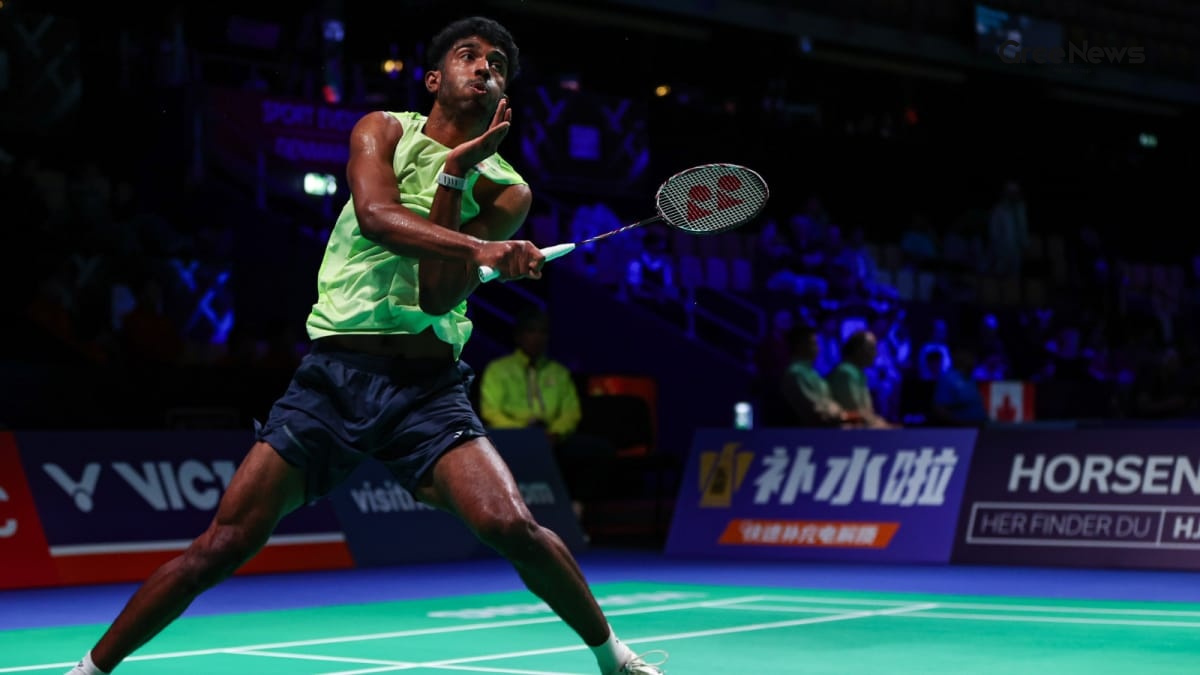
India’s Nail‑Biting 2‑3 Loss to China in Thomas Cup Sparks Talk of a Jap‑India Quarter‑Final Showdown
In a gripping Thomas Cup group encounter, India fell 2‑3 to China despite a heroic comeback from Ayush Shetty and a victorious finish by HS Prannoy. The tie saw early setbacks with Lakshya Sen and the Rankireddy‑Shetty duo losing, but the Indian side fought back, earning crucial points in the second singles and final match. The narrow defeat left India second in Group A, guaranteeing a spot in the quarter‑finals where they are likely to clash with Japan, the group‑topper. This article walks through each match, shares player reactions, and explores what the result means for India’s chances of lifting the coveted Thomas Cup. It also looks at crowd vibes, the pressure of a first‑time Thomas Cup appearance for some, and why this fixture has become one of the most discussed pieces of breaking news in Indian badminton circles, feeding the latest news India fans are eager to follow.
Apr 30, 2026 by GreeNews Team