India
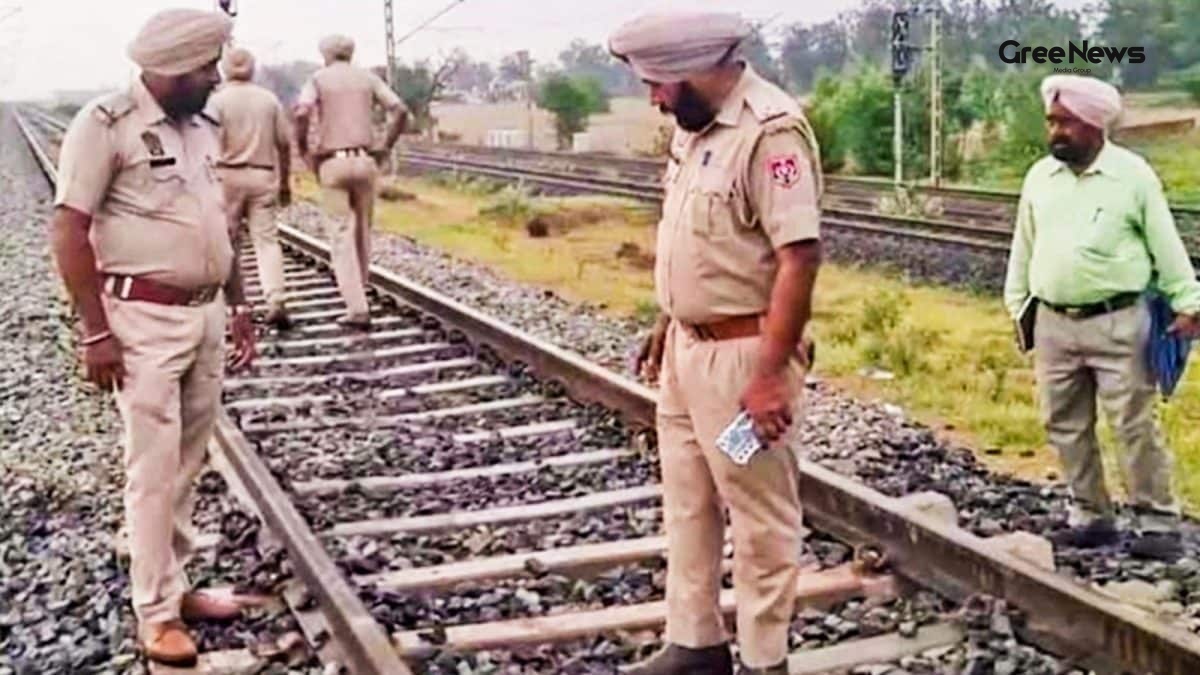
Punjab Police Uncover Massive Terror Plot After Patiala Rail Blast, Seize RPG, RDX and Grenades
Punjab Police say Patiala freight corridor blast probe uncovered a deep terror plot linked to Pakistan's ISI, Malaysia‑based handlers and a pro‑Khalistan module, four accused held
When I first saw the headlines about the Patiala freight corridor blast, I thought it was another isolated incident. But as the latest news India kept updating, it turned out to be something far bigger a deep‑rooted terror conspiracy that stretched across borders. The police narrative felt like a thriller, and what followed was nothing short of eye‑opening.
What was seized? A trove of military‑grade weapons and explosives
In a joint operation, Patiala Police together with the State Special Operations Cell (SSOC) Amritsar stormed a sleepy village in Tarn Taran. What they found was nothing you’d expect in a typical countryside house. Among the haul were a rocket‑propelled grenade (RPG) that looks straight out of a war‑zone, an improvised explosive device (IED) weighing a hefty 2.296 kg, and about 1.456 kg of high‑grade RDX the kind of explosive that typically powers major military ordnance.
But that’s not all. Police also recovered a hand grenade, three pistols, multiple magazines, and a total of 84 live cartridges. To top it off, there were wireless communication sets and timer switches that could have been used to coordinate a synchronized attack. Director General of Police Gaurav Yadav described the cache as “military‑grade hardware” that could cause massive damage if misused.
Seeing all that equipment together made me think of a scene from a Bollywood action movie, yet this was real life, and it had quickly become trending news India, sparking countless discussions on WhatsApp groups and social media feeds.
How the terror network spanned continents from Malaysia to the United States
What makes this case even more chilling is the alleged foreign backing. Investigators said the module behind the blast was supported by handlers based in Malaysia. These handlers, according to the police briefing, had direct links to Pakistan’s Inter‑Services Intelligence (ISI). The idea that a terror plot could be orchestrated from across the sea is something you’d normally read about in international headlines, but here it became breaking news for many of us.
Adding another layer, the police mentioned a US‑based individual named Surinder Singh Thikriwal who was allegedly in contact with the group. Surinder Singh Thikriwal has previously been associated with terror activities, making his involvement a serious concern for security agencies. This cross‑border connection raised the stakes, turning the incident into a matter of national importance and prompting a wave of India updates on various news portals.
The fact that the network could operate across three different countries surprised a lot of people, and many began to wonder how such a plot went unnoticed for so long. What happened next is interesting the police crackdown revealed just how intricate the communication and logistics chain had become.
Arrests and the individuals at the heart of the plot
The breakthrough in the case came after the arrest of four members of the pro‑Khalistan terror module. Among them was Satnam alias Satta, whose brother Jagrup Singh was killed while attempting to plant the explosive on the railway track. Satnam alias Satta’s name kept popping up in the police statements, and every time Director General of Police Gaurav Yadav spoke, he used the full name without any shortcuts.
The other accused were identified as Pardeep Singh Khalsa, Kulwinder Singh alias Bagga and Gurpreet Singh alias Gopi. Police recovered additional weapons and communication devices from their possession, further confirming the depth of the conspiracy.
Each of these individuals was linked to the same pro‑Khalistan module, and the operation that led to their capture was described as a “major success” by authorities. The fact that Jagrup Singh lost his life in the attempt added a tragic dimension to the story, and it reminded many of us how dangerous these covert operations can be.
Probe ongoing tracing the full extent of the conspiracy
Even after the seizure and arrests, police said the operation exposed a much wider network. Director General of Police Gaurav Yadav emphasized that investigations are ongoing to trace the full extent of the conspiracy and identify other operatives who might still be at large.
What makes this investigation particularly complex is the international dimension. The alleged involvement of Malaysia‑based handlers and Pakistan’s ISI means that intelligence agencies across borders will likely be sharing data, which could take weeks or months to untangle.
Nevertheless, the police have reassured the public that they are leaving no stone unturned. The ongoing probe has become a focal point of breaking news, with many citizens following the updates closely, hoping for more arrests and a clearer picture of the terror cell’s reach.
Impact on railway security and the nation’s infrastructure
The blast attempt targeted a key railway freight corridor in Shambhu, a strategic route for moving goods across the northern belt. The fact that such an important piece of infrastructure was under threat raised serious concerns about security protocols.
Many railway officials, after hearing about the seized RPG and RDX, started reviewing their own security measures. The incident has sparked debates in parliamentary committees and among security experts about the need for tighter surveillance, better detection systems, and rapid response teams on high‑value railway lines.
In most cases, the railway network in India is considered safe, but this episode reminded us that even the most well‑guarded corridors can become targets of sophisticated terror plots. The public reaction was immediate, with several trending news India pieces focusing on the safety of daily commuters and freight carriers.
Public reaction from social media buzz to calls for action
Many citizens expressed relief that the police acted fast, but they also asked why the authorities didn’t catch the plot earlier. Some stories even mentioned the possibility of a bigger network lurking behind other seemingly innocuous incidents. This wave of discussion made the story one of the most talked‑about pieces of breaking news in the country.
What’s striking is the collective sense of vigilance that emerged a reminder that ordinary citizens can play a role by reporting suspicious activities. The whole episode has become a case study for how the public, media, and law‑enforcement can work together in protecting the nation’s critical infrastructure.
Looking ahead what this means for India’s fight against terror
While the immediate threat from this specific plot may have been neutralized, the larger picture remains complex. The fact that a pro‑Khalistan module could coordinate with foreign handlers and even have links to a US‑based individual shows that terror networks are evolving, no longer confined to a single geography.
Security agencies are now likely to step up intelligence‑sharing with neighbours and allies, a move that could help pre‑empt similar attempts in the future. For the average Indian, staying informed through reliable sources whether it’s the latest news India, breaking news feeds, or regional bulletins becomes crucial.
In the end, this incident underscores the importance of vigilance, rapid response, and community involvement. It also serves as a stark reminder that the fight against terror is ongoing, and every piece of intelligence, every seized weapon, and every arrested suspect brings the nation a step closer to safety.
Written by GreeNews Team — Senior Editorial Board
GreeNews Team covers international news and global affairs at GreeNews. Our collective of senior editors is dedicated to providing independent, accurate, and responsible journalism for a global audience.
#sensational#india#global#trending
More from India
View All
India
Vinesh Chandel’s Bail Granted After Coal Scam Probe What It Means for West Bengal Politics
In a development that has captured the attention of many across the country, I-PAC director Vinesh Chandel was released on bail by Delhi’s Patiala House Court in connection with a money‑laundering case linked to an alleged coal scam in West Bengal. The Enforcement Directorate (ED) did not oppose the bail, but the court imposed strict conditions, including prohibitions on tampering with evidence or influencing witnesses, and a requirement for Chandel to stay cooperative and accessible throughout the investigation. Chandel, a law graduate from NLIU Bhopal and a 33 % shareholder of I‑PAC, which handled the Trinamool Congress’s recent poll campaign, was earlier sent to judicial custody and had been questioned by the ED over alleged involvement in the generation, diversion and possession of proceeds of crime worth several crores. This article walks you through the background of the case, the court’s decision, the reactions from political circles and what this bail might imply for the upcoming political scenario in West Bengal, all while keeping the tone of a friend sharing the latest breaking news and its nuances.
Apr 30, 2026 by GreeNews Team
India
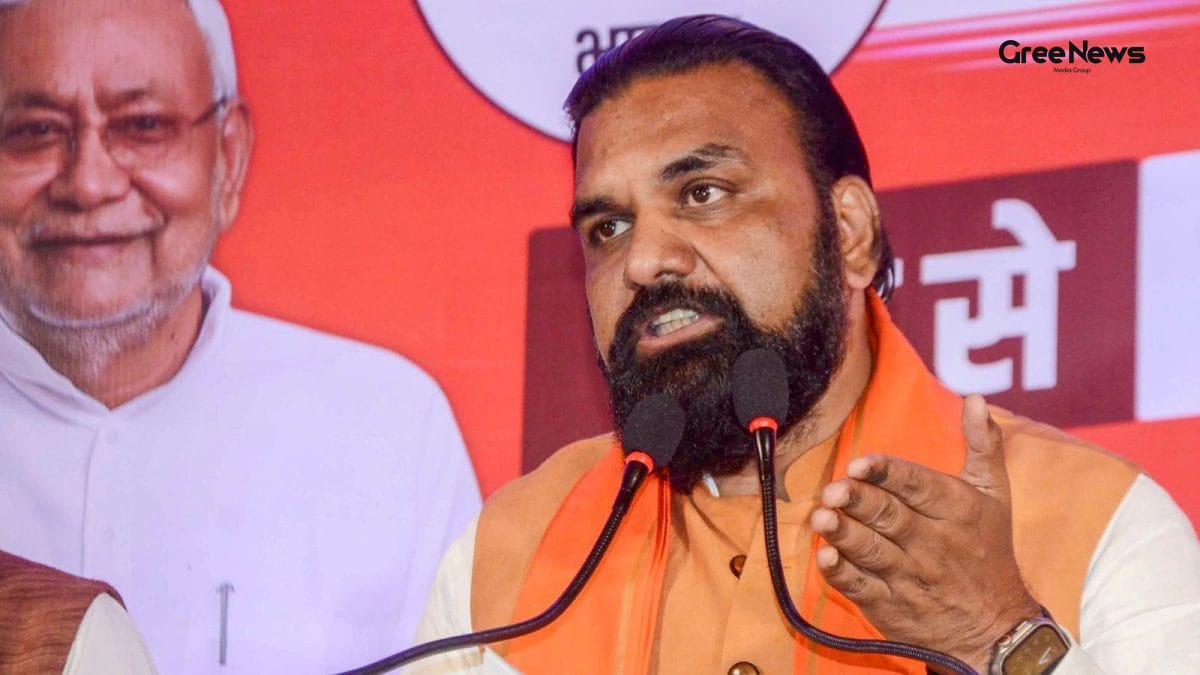
Bihar Govt Strips Sanjay Gandhi Name from Patna Zoo & Dairy Institute What It Means
In a surprising turn of events that has become the talk of the town, the Bihar government has officially removed the name of Sanjay Gandhi from two major institutions in Patna. The Sanjay Gandhi Biological Park, a beloved landmark since the 1970s, has been renamed "Patna Zoo" and the Sanjay Gandhi Institute of Dairy Technology has been rebranded as the Bihar State Institute of Dairy Technology. These changes were part of a massive cabinet meeting chaired by Chief Minister Samrat Choudhary, where 61 decisions were approved, ranging from a massive power‑subsidy scheme for consumers to the creation of new degree colleges in underserved blocks, a Centre of Excellence for autism treatment, and the allocation of land for a new National Institute of Fashion Technology campus. While the renaming has sparked a mix of curiosity, nostalgia, and debate among locals, the broader set of welfare and education initiatives promises to reshape the state's development landscape. This article walks you through the details, the reasons behind the renaming, and what these moves could mean for people across Bihar, all presented in a conversational, first‑person style that captures the buzz of the latest news India.
Apr 30, 2026 by GreeNews Team
India
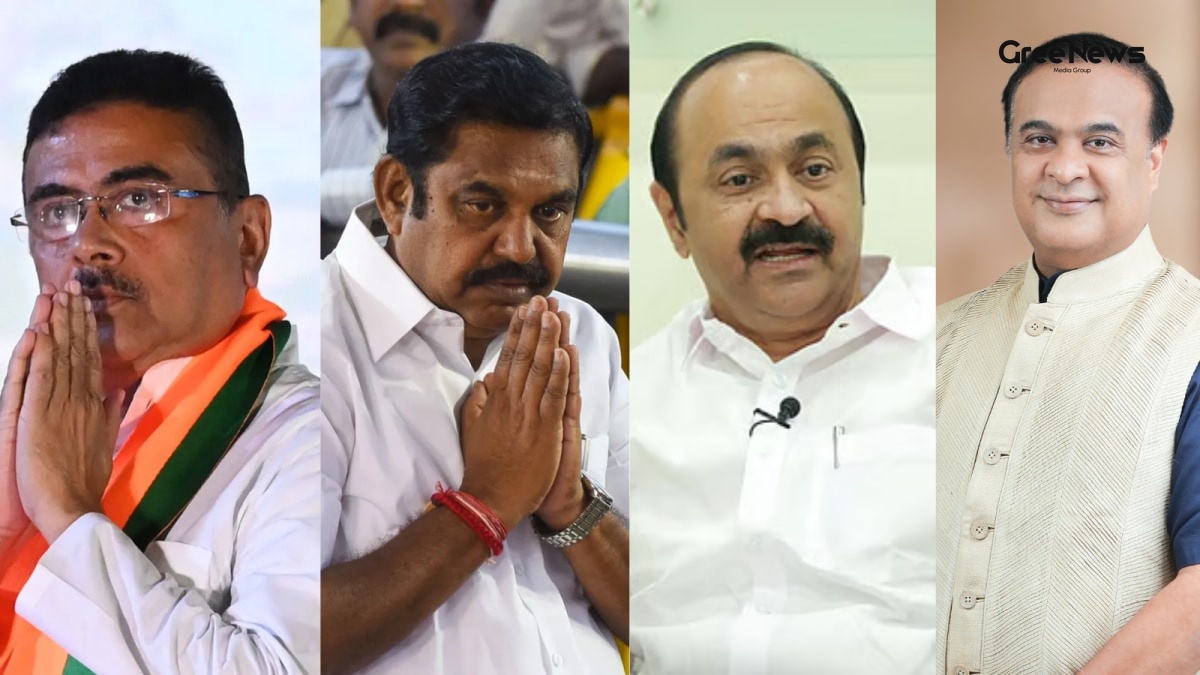
Exit Poll Buzz 2026: How BJP, AIADMK+ and UDF are Shaping the Election Drama across West Bengal, Tamil Nadu, Kerala and Assam
The 2026 Assembly elections have finally wrapped up across four key states and a Union Territory, and the exit poll numbers are already stirring a lot of conversation on the internet. According to the latest GREE News exit poll projections, BJP appears to be leading in West Bengal and Assam, while AIADMK+ is just a whisker ahead of DMK+ in Tamil Nadu. Kerala looks tight as ever, with the UDF projected to edge past the LDF by a narrow margin. These predictions have become the most talked‑about topic in the latest news India feeds, making them part of the breaking news cycle and a hot item in trending news India circles. The numbers show BJP gaining solid support among SC, ST, OBC and upper‑caste Hindu voters in West Bengal, but the party still trails in Malda where TMC holds a strong Muslim base. In Tamil Nadu, the DMK+ alliance could win between 103 and 113 seats, while newcomer TVK, led by actor Vijay, may win as few as four seats or as many as ten. Kerala’s UDF is projected to secure 70‑80 seats out of 140, just enough to cross the majority line, whereas LDF might fall short with 58‑68 seats. Assam’s NDA could dominate the Assembly with 90‑100 seats, leaving the Congress‑led Asom Sonmilito Morcha far behind. These figures have gone viral across social media platforms, becoming part of the viral news wave and prompting many people to wonder how the final counts will compare with these early forecasts. The story continues to develop, and every update adds another layer of suspense for voters and political observers alike.
Apr 30, 2026 by GreeNews Team
India
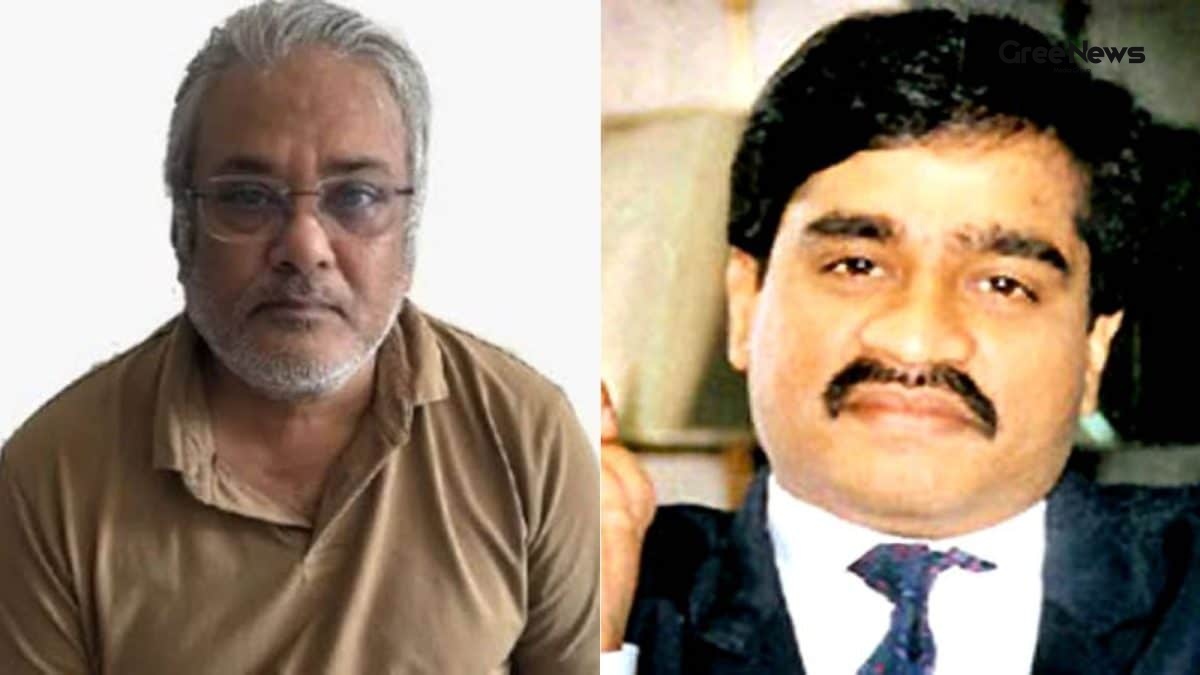
Salim Dola’s Flight from Turkey to Mumbai Sparks Major Drug Network Probe
In a development that has set the nation's headlines ablaze, Salim Dola, a 59‑year‑old figure alleged to be close to Dawood Ibrahim, was transferred from Turkey to Mumbai after Turkish intelligence detained him following tips from Indian agencies. Salim Dola is accused of running a multi‑million‑dollar synthetic drug operation headquartered in the United Arab Emirates, reportedly raking in over Rs 100 crore in just two years. The alleged kingpin is linked to a string of high‑profile drug seizures across Maharashtra and Gujarat, involving heroin, charas, mephedrone, mandrax and methamphetamine. An Interpol Red Notice lists multiple charges against Salim Dola under the Narcotic Drugs and Psychotropic Substances Act, 1985, where the law mandates a minimum ten‑year jail term for commercial‑scale narcotics offences. This article walks through the sequence of events, the alleged network’s reach, legal ramifications, and why this case has become a focal point of latest news India, drawing attention from law‑enforcement agencies, media outlets and the public alike.
Apr 30, 2026 by GreeNews Team
Latest Headlines
Recipes
Why My Protein Is Going ‘Namkeen’ in 2026 and the Other Food Trends Shaping India’s Kitchen
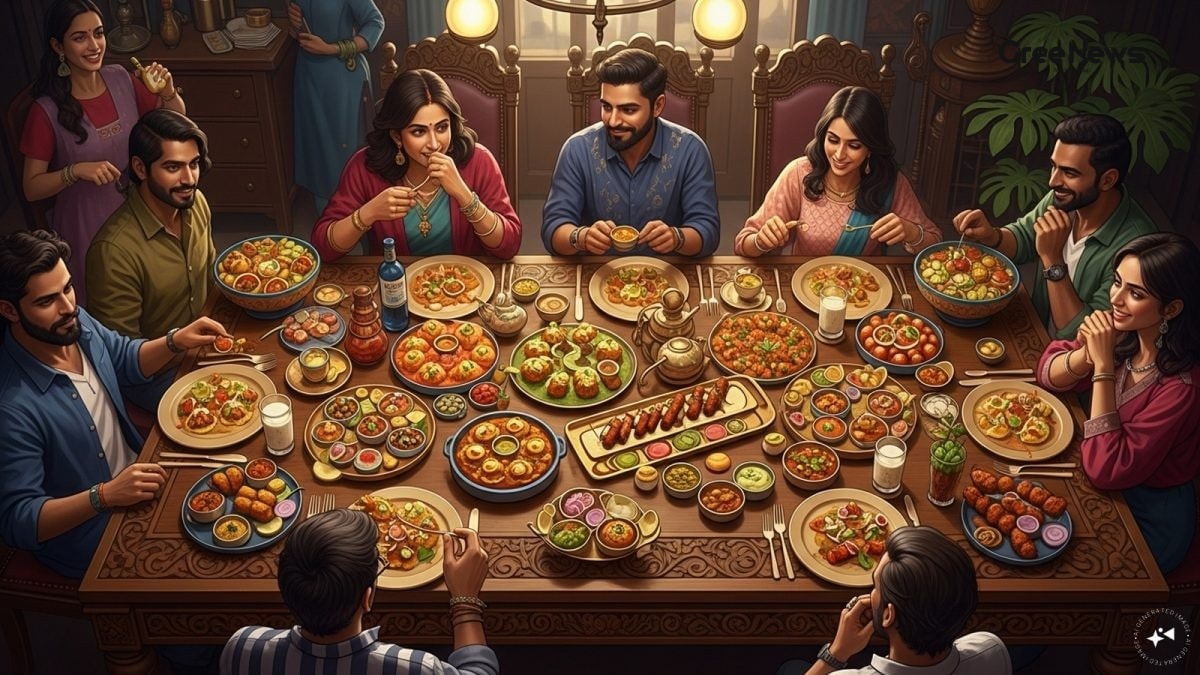
The 9th Godrej Food Trends Report, unveiled at the Tasting India festival in New Delhi, points to a dramatic shift in the Indian food landscape for 2026. Rather than chasing gimmicks, consumers are now looking for deeper stories behind what they eat from bold, flavour‑packed dishes that celebrate the country’s love for spice, to the rising prominence of the Indian female farmer whose produce is becoming a premium hallmark. Traditional sweets are getting a modern twist, merging global textures with hyper‑local ingredients, while protein snacks are moving away from sweet, chalky bars towards savoury, street‑food inspired flavours. Home kitchens are becoming smarter, using high‑quality pre‑made bases that save time without compromising health. At the same time, the era of theatrical restaurant gimmicks is fading, making way for honest, region‑specific concepts that tell a clear story. This article shares a first‑hand account of attending the festival, highlights the key trends ‘Chatpata’ maximalism, the invisible backbone of women farmers, the Mithai makeover, the protein reality check, the smart home kitchen, and the death of theatrical dining and weaves in the latest news India, breaking news, and trending news India to keep readers both informed and engaged.
Apr 30, 2026 by GreeNews Team
India
Vinesh Chandel’s Bail Granted After Coal Scam Probe What It Means for West Bengal Politics
In a development that has captured the attention of many across the country, I-PAC director Vinesh Chandel was released on bail by Delhi’s Patiala House Court in connection with a money‑laundering case linked to an alleged coal scam in West Bengal. The Enforcement Directorate (ED) did not oppose the bail, but the court imposed strict conditions, including prohibitions on tampering with evidence or influencing witnesses, and a requirement for Chandel to stay cooperative and accessible throughout the investigation. Chandel, a law graduate from NLIU Bhopal and a 33 % shareholder of I‑PAC, which handled the Trinamool Congress’s recent poll campaign, was earlier sent to judicial custody and had been questioned by the ED over alleged involvement in the generation, diversion and possession of proceeds of crime worth several crores. This article walks you through the background of the case, the court’s decision, the reactions from political circles and what this bail might imply for the upcoming political scenario in West Bengal, all while keeping the tone of a friend sharing the latest breaking news and its nuances.
Apr 30, 2026 by GreeNews Team
India
Bihar Govt Strips Sanjay Gandhi Name from Patna Zoo & Dairy Institute What It Means
In a surprising turn of events that has become the talk of the town, the Bihar government has officially removed the name of Sanjay Gandhi from two major institutions in Patna. The Sanjay Gandhi Biological Park, a beloved landmark since the 1970s, has been renamed "Patna Zoo" and the Sanjay Gandhi Institute of Dairy Technology has been rebranded as the Bihar State Institute of Dairy Technology. These changes were part of a massive cabinet meeting chaired by Chief Minister Samrat Choudhary, where 61 decisions were approved, ranging from a massive power‑subsidy scheme for consumers to the creation of new degree colleges in underserved blocks, a Centre of Excellence for autism treatment, and the allocation of land for a new National Institute of Fashion Technology campus. While the renaming has sparked a mix of curiosity, nostalgia, and debate among locals, the broader set of welfare and education initiatives promises to reshape the state's development landscape. This article walks you through the details, the reasons behind the renaming, and what these moves could mean for people across Bihar, all presented in a conversational, first‑person style that captures the buzz of the latest news India.
Apr 30, 2026 by GreeNews Team
Business
Vedanta’s Ex‑Demerger Day Explained: What Indian Investors Should Watch
In this detailed piece I walk you through the latest news India has to offer about Vedanta Ltd’s ex‑demerger day, a key event that could reshape the portfolio of many shareholders. I break down what a demerger actually means, why the record date matters, how the special pre‑open session will decide the ex‑demerger price, and what the valuation outlook looks like according to market analysts. You’ll also get a glimpse of my own experience of tracking this breaking news, the practical steps I took to stay eligible, and why many investors are buzzing about the potential upside. By the end of the article you’ll understand how this India updates can affect your holdings, the mechanics behind the price discovery, and the post‑split valuation that Nuvama has pegged at roughly Rs 936 per share. Whether you are a seasoned trader or just curious about corporate restructuring, this story offers a clear, relatable guide to navigating Vedanta’s move.
Apr 30, 2026 by GreeNews Team
Sports
India’s Nail‑Biting 2‑3 Loss to China in Thomas Cup Sparks Talk of a Jap‑India Quarter‑Final Showdown
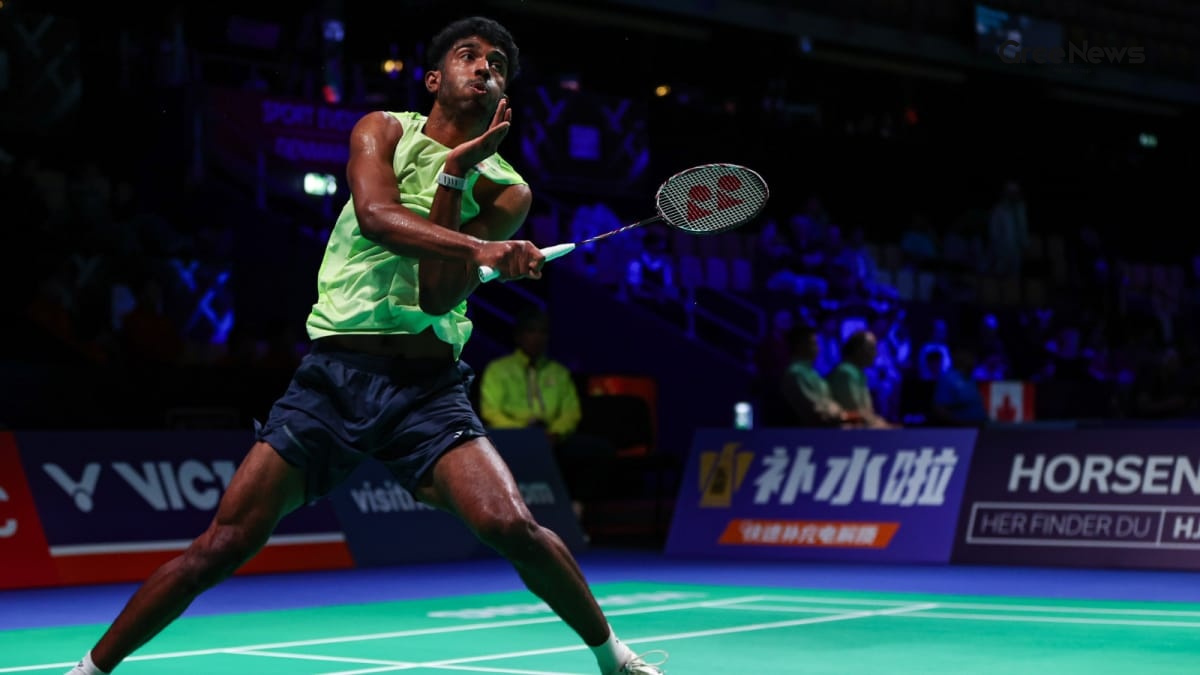
In a gripping Thomas Cup group encounter, India fell 2‑3 to China despite a heroic comeback from Ayush Shetty and a victorious finish by HS Prannoy. The tie saw early setbacks with Lakshya Sen and the Rankireddy‑Shetty duo losing, but the Indian side fought back, earning crucial points in the second singles and final match. The narrow defeat left India second in Group A, guaranteeing a spot in the quarter‑finals where they are likely to clash with Japan, the group‑topper. This article walks through each match, shares player reactions, and explores what the result means for India’s chances of lifting the coveted Thomas Cup. It also looks at crowd vibes, the pressure of a first‑time Thomas Cup appearance for some, and why this fixture has become one of the most discussed pieces of breaking news in Indian badminton circles, feeding the latest news India fans are eager to follow.
Apr 30, 2026 by GreeNews Team
Sports
India Trails China 0-1 in Thomas Cup Group A After Lakshya Sen’s Upset What Happens Next?
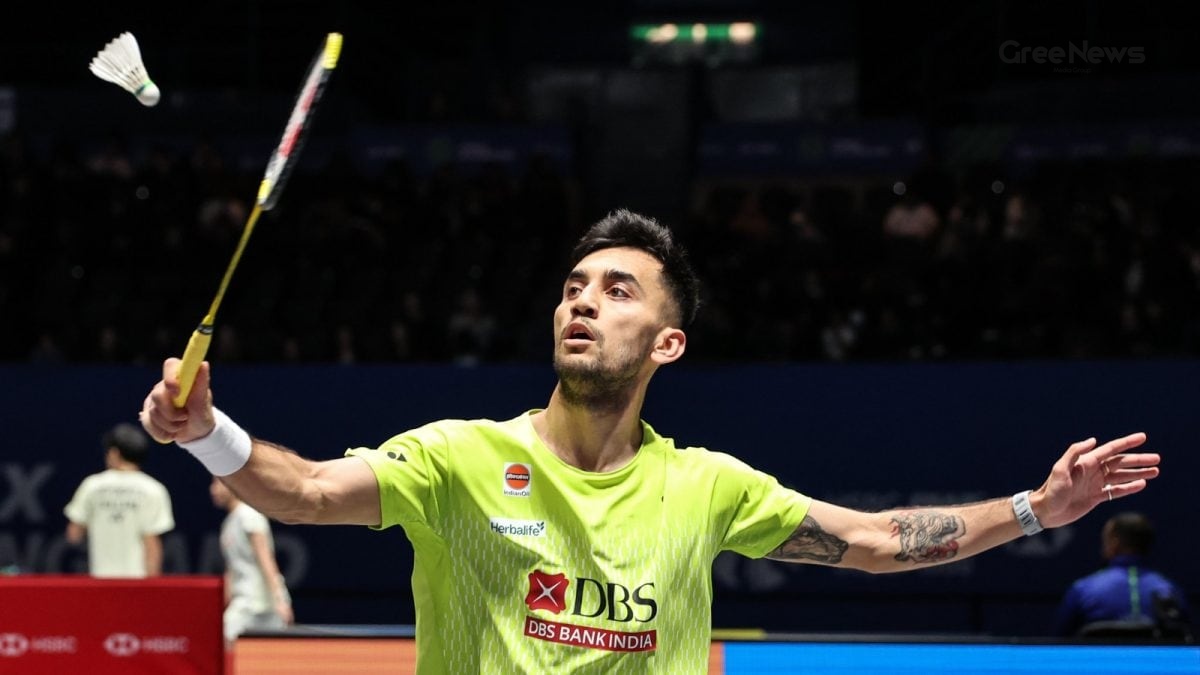
In a gripping opening clash of the Thomas Cup Finals at Horsens, the Indian men's badminton team found themselves trailing China 0-1 after a hard‑fought three‑game battle. Rising star Lakshya Sen went head‑to‑head with world No. 7 Li Shi Feng and despite showing flashes of brilliance, eventually fell 19‑21, 21‑8, 12‑21. The loss left India in a catch‑up position early in the tie, putting extra pressure on the senior doubles pair Satwiksairaj Rankireddy and Chirag Shetty to level the score. The article walks you through every twist of the encounter, from the tense start and the dramatic swing in the second game to the bewildering finale that saw Li pull away. It also outlines the upcoming key doubles showdown, the subsequent singles match featuring Ayush Shetty, and the final doubles pairing of Hariharan Amsakarunan and MR Arjun against Chinese opponents. Packed with personal observations, fan reactions, and a sprinkle of the latest news India readers are buzzing about, this piece gives you a comprehensive look at what the current standing means for India’s chances and why many people were surprised by the turn of events.
Apr 30, 2026 by GreeNews Team