Recipes
Why My Protein Is Going ‘Namkeen’ in 2026 and the Other Food Trends Shaping India’s Kitchen
The 9th Godrej Food Trends Report reveals a move away from "theatrics" toward deep‑rooted stories, piquant flavours, and the rise of the female farmer
Let me tell you how I felt walking into the Tasting India festival in New Delhi, where the 9th edition of the Godrej Food Trends Report (GFTR) was the centre‑piece. The buzz wasn’t just about new dishes; it felt like the latest news India about the future of our plates. I could hear people saying it was a turning point a shift from simply filling our bellies to feeding our souls.
When Tanya Dubash, Executive Director & Chief Brand Officer, Godrej Industries Group, stepped up to the stage, she said, "The 2026 edition explores the powerful narratives of provenance, people, and connection that increasingly define value in our food ecosystem." That line stuck with me because it reminded me of how we, as diners, start caring about the story behind every bite.
The “Chatpata” Maximalism
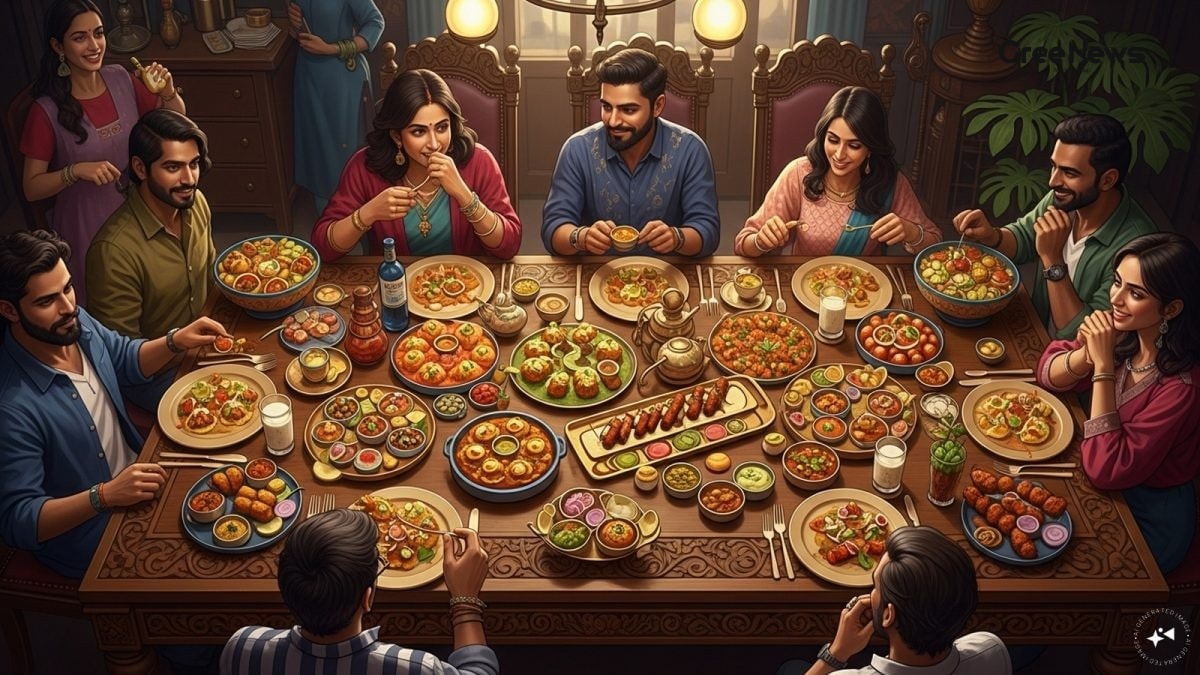
Ever since I tried a plate of ultra‑spicy dal that made my eyes water, I realised we are finally done with subtlety. The report calls this new wave “flavour collisions”. Imagine dishes that turn the volume up on sharp, piquant, and spicy notes a sensory overload that feels like an Indian street market exploded on your tongue.
Chef Ranveer Brar, who was also part of the panel, shared, "Today, conversations have evolved beyond recipes written with pen and paper to talk about ingredients, places, people, and the culture behind food." I could see that in the stalls herbs from Kerala, chilies from Andhra, everything mingling together, creating a kind of culinary fireworks that felt almost viral news in the food world.
What happened next is interesting: people started swapping stories about the exact chilli they used, the farmer who grew it, and the old family recipe that inspired it. It was less about the plate and more about the provenance, a pattern you can see in many breaking news pieces about food provenance across India.
The Invisible Backbone Steps Forward
One of the moments that truly surprised me was when the discussion turned to Indian female farmers. The report says 2026 sees a massive shift toward "transparency‑led" shopping, where produce from women‑led agri‑businesses isn’t just a choice but a premium status symbol. That’s a huge change for a sector that’s often been hidden behind the scenes.
Tanya Dubash, Executive Director & Chief Brand Officer, Godrej Industries Group, added, "Recognizing the vital role of female farmers… reflects how deeply our relationship with food continues to evolve." I could feel the excitement buzzing around the exhibition it felt like a piece of trending news India that could reshape the way we shop for vegetables.
Many people were surprised by this because, until recently, the name of the farmer was rarely mentioned on the label. Now, you’ll see fresh labels proudly displaying the name of the woman who grew the tomatoes, turning her into a brand ambassador of sorts.
The Mithai Makeover
If you grew up nibbling on sugary jalebis and laddus, you might think sweets will always be all sugar and no soul. The report tells a different story. Traditional sweets are shedding their "sugar‑only" reputation and moving towards an "Indo‑modern" aesthetic where global textures meet hyper‑local flavours.
Dr Kurush F Dalal, a noted food historian, explained, "The technique of extracting sugar from cane originated here, and the name ‘sugar’ itself comes from the Sanskrit word s´arkará. From India, sugar made its way to China via Buddhist monks, where the Chinese refined it into its crystalline form, inspiring the name Cheeni (meaning ‘from China’)." That bit of history made the sweet stall I visited feel like a living museum.
What caught people’s attention was the new generation of mithai crunchy pistachio brittle with a hint of smoked paprika, or rose‑flavoured kulfi with a caramelised jaggery crumble. It’s sweet, it’s salty, it’s crunchy, and it feels deeply rooted in our heritage while still feeling fresh truly trending news India for any sweet‑tooth.
Protein Gets A Reality Check
Now, here’s a personal confession: I was tired of those chocolate‑flavoured protein bars that tasted like chalk. The report says 2026 brings a Savoury Revolution. Think protein‑packed snacks with namkeen profiles and street‑food vibes.
Imagine munching on a roasted masala chickpea bar that reminds you of your favourite roadside chaat, or a pea‑protein puff that carries the essence of bhel. It’s like the whole protein game decided to ditch the sweet mask and wear a bold, Indian disguise.
This caught my attention because it aligns with the breaking news about health‑focused brands shifting to savoury options and it felt like an answer to a long‑standing gripe among fitness enthusiasts across the country.
The “Smart” Home Kitchen
Most of us are "time‑poor" but "health‑proud". The report paints a picture of the 2026 home kitchen as a hybrid space using high‑quality, pre‑prepared bases like cold‑pressed mustard oil or coconut oil, letting us spend less time chopping and more time enjoying the tactile joy of the final garnish.
Chef Amrita Raichand, who shared her thoughts during the panel, said, "Life is a constant juggle and that’s exactly why smart, wholesome shortcuts matter. For me, it’s about keeping food simple, nourishing and joyful." I could see the truth of that when I walked past a stall offering ready‑made spice blends that smelled just as fresh as if I’d ground them myself.
This trend feels like an answer to the latest news India about busy urban families trying to balance work and health, making the kitchen a place of smart, effortless cooking.
Death Of The “Theatrical” Restaurant
Remember those restaurants that used dry ice, foam spheres and neon lights? The report says that era is fading. Diners in 2026 want "realness" hyper‑regional spots that tell a specific story rather than trying to please everyone.
Chef Manish Mehrotra, speaking passionately, said, "After years of chasing novelty, diners are looking for experiences that feel real, grounded, and emotionally familiar. In 2026, the concepts that will resonate most are those that are rooted in genuine flavours, honest ingredients, and a clear point of view, rather than trend‑led theatrics. There is also a growing appreciation for focused, thoughtful concepts. Restaurants that explore a single cuisine, region, or idea allow for depth and storytelling, and that depth creates trust with the diner. Chef‑driven spaces, too, will feel more personal, reflecting lived experiences, travels, and philosophies rather than a formulaic approach."
What happened next was fascinating: I visited a small eatery in Himachal that served only authentic dhaul with locally sourced buckwheat. The simplicity struck a chord, and I could see why many people were surprised by how much joy a single‑focus menu could bring.
This shift is already making waves in the media several pieces of breaking news India highlight the decline of gimmicky dining experiences and the rise of honest, region‑centric eateries.
Putting It All Together My Takeaway
Walking out of the festival, I felt like I had just watched a live reel of the future of Indian food. From chatpata maximalism that makes my taste buds dance, to the invisible backbone of women farmers becoming the new premium label, to mithai that marries tradition with innovation the story feels like a living, breathing piece of viral news that will shape our kitchens for years.
If you’re wondering how to stay ahead, keep an eye on the India updates that talk about these trends. The next time you shop, look for the name of a female farmer on the packet. The next time you reach for a protein bar, try the savoury version. And the next time you dine out, skip the restaurants that rely on dry ice, and head for the place that tells a clear, regional story.
All these shifts are not just fleeting fads. They are part of a larger narrative that the 9th Godrej Food Trends Report has captured a narrative where food becomes a bridge between heritage and modernity, where every bite tells a story, and where the Indian palate grows richer, louder, and more connected than ever before.
Written by GreeNews Team — Senior Editorial Board
GreeNews Team covers international news and global affairs at GreeNews. Our collective of senior editors is dedicated to providing independent, accurate, and responsible journalism for a global audience.
#sensational#recipes#global#trending
More from Recipes
View All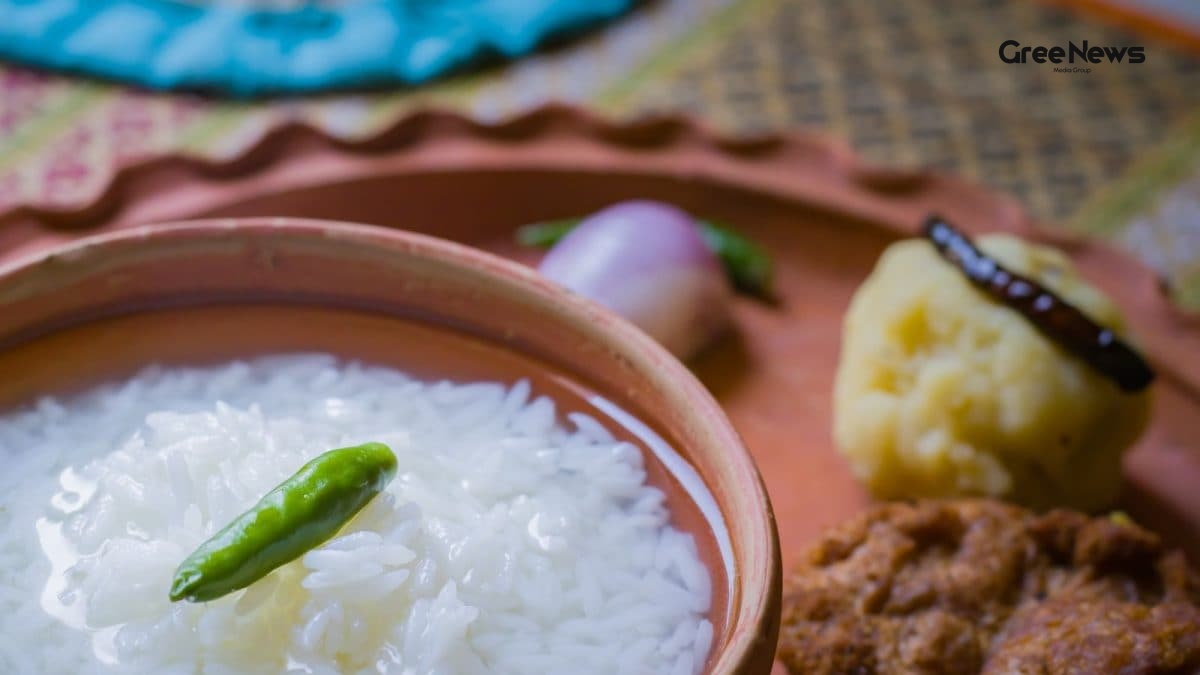
Recipes
Why Panta Bhat Became West Bengal’s Election Day Anthem A Personal Take
In the bustling lead‑up to West Bengal’s state elections, a centuries‑old dish called panta bhat turned into a viral sensation after Chief Minister Mamata Banerjee urged voters to keep the day simple and skip cooking. The suggestion, meant to prevent voters from missing their chance to cast a ballot, instantly sparked a flood of memes, recipe videos and nostalgic posts across social media. As the heat of summer grips the region, panta bhat a refreshing mix of soaked leftover rice, mustard oil, green chillies and onions offers both comfort and practicality. This article dives into the dish’s humble origins, its role as a survival hack in the humid Bengal delta, and why it perfectly fits the hectic election atmosphere. It also explores similar fermented‑rice traditions in neighboring states like Odisha, Assam, Jharkhand and Bihar, while sharing a step‑by‑step guide to make panta bhat at home. The narrative weaves personal observations, everyday anecdotes and a touch of humour, making it a lively read for anyone curious about India’s culinary quirks and the latest news India fans are buzzing about.
Apr 30, 2026 by GreeNews Team
Recipes
How I Made My Grandma’s Sweet Mango Pickle A Simple Home Recipe That Went Viral
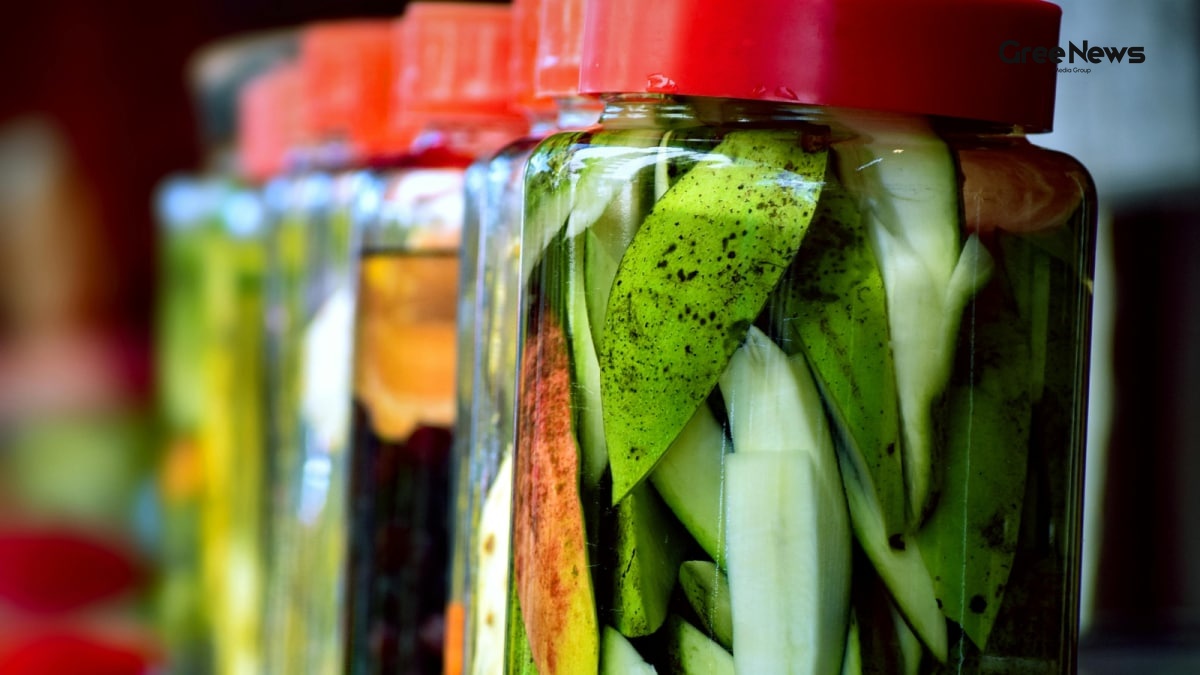
Ever wondered how a humble kitchen experiment can turn into the talk of the town? In this detailed account, I walk you through my personal experience of preparing sweet mango pickle, a beloved blend of tangy raw mangoes, sugar, and aromatic spices that many Indian families swear by. From the moment I selected the perfect raw mangoes at the local market to the final tasting that had my neighbours asking for the recipe, every step is narrated with the kind of everyday observations that make cooking feel like a shared family story. I also sprinkle in some practical tips that helped me avoid common pitfalls like the dreaded mushy pickle or overly sweet bite and explain why this simple dish caught people's attention online, becoming a piece of viral news that even featured in trending news India feeds. Whether you are a seasoned home cook or someone just curious about Indian pantry staples, this guide offers a relatable, step‑by‑step journey that reflects real kitchen moments, the occasional mishap, and the satisfaction of creating a tasty accompaniment that pairs perfectly with rice, roti, or even a simple snack. The narrative is peppered with the latest India updates on food trends, making it not just a recipe but a glimpse into how traditional flavors continue to shape modern Indian cooking.
Apr 30, 2026 by GreeNews Team
Recipes
Discover Why Erode is Called India’s Turmeric City All You Need to Know
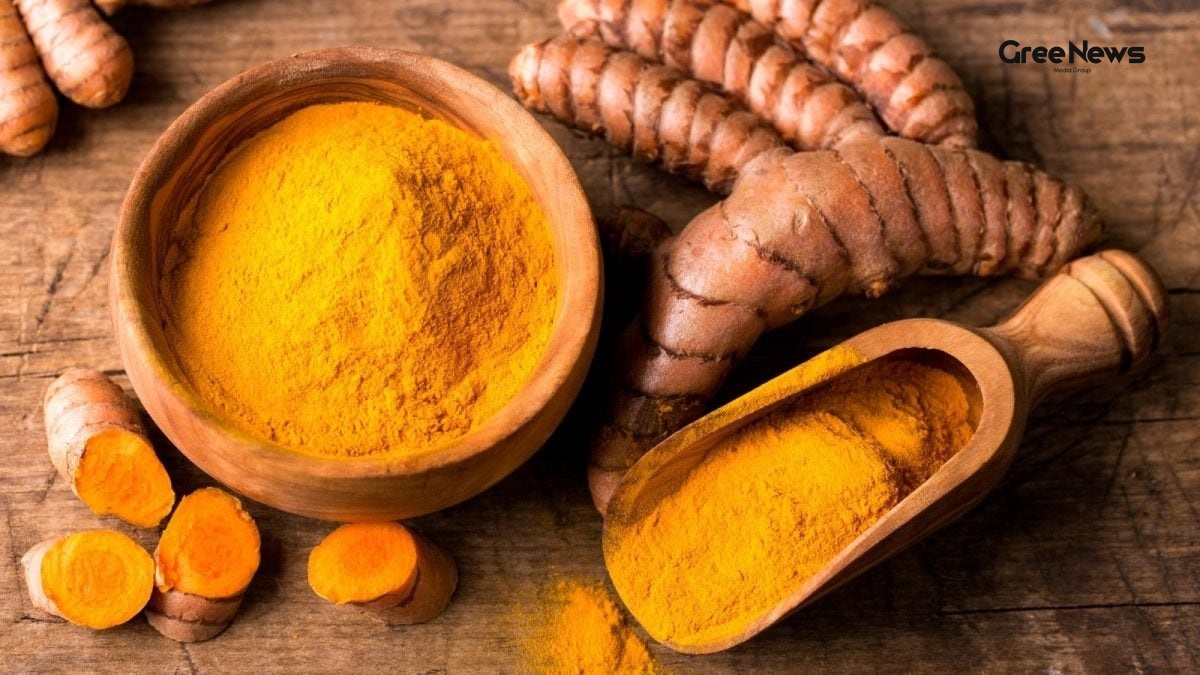
Erode, a bustling hub in Tamil Nadu, has earned the nickname “Turmeric City” because the region is a major centre for turmeric cultivation. The spice, known for its vibrant yellow colour and health‑boosting properties, thrives in the fertile soils and warm climate of this part of the state. Farmers here have been growing turmeric for generations, using traditional methods that blend age‑old wisdom with modern techniques. This has turned the city into a key supplier not only for domestic kitchens but also for export markets. The article walks you through the journey of turmeric from farm to market, the cultural significance it holds in Tamilian households, and how the spice influences daily life, festivals and even local economies. You’ll also get a glimpse of the bustling market lanes where fresh turmeric roots are weighed, the stories of the growers who tend the fields, and why the city’s identity is so tightly woven with this golden spice. Whether you are a foodie, a traveler, or just curious about India’s agricultural marvels, the piece offers a vivid, conversational peek into why Erode truly stands out as the Turmeric City of India.
Apr 30, 2026 by GreeNews Team
Recipes
My Guilt‑Free Banana Samosa Story: A Crunchy Twist on the Classic Snack
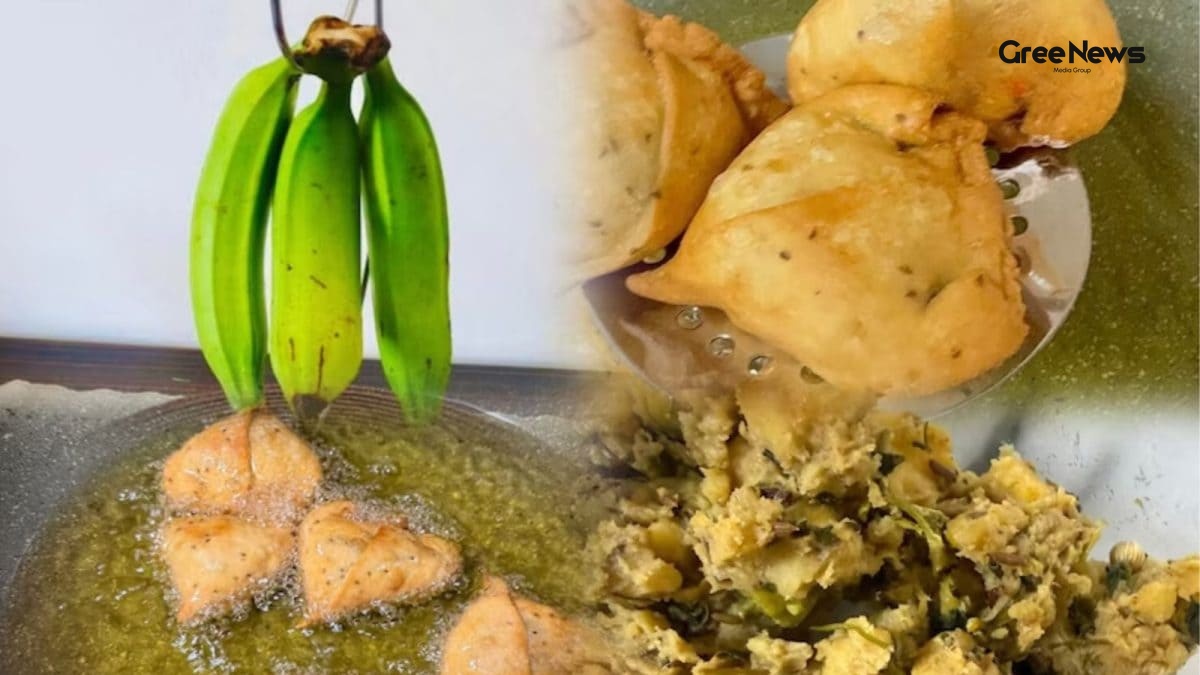
Ever wondered if you could enjoy a piping‑hot samosa without the usual deep‑fried potato filling? In this personal account I dive into the world of raw banana samosas a healthier, fibre‑rich alternative that still satisfies those cravings for a crispy, spicy bite. I share how I discovered the idea while browsing the latest news India portals, the simple ingredients I gathered from the local market, and the step‑by‑step method I followed, from pressure‑cooking the raw bananas to perfecting the dough and shaping the golden triangles. The story also covers the little tricks that make the frying process even, the delightful aroma that fills the kitchen, and the best chutney pairings to serve with these bite‑size wonders. By the end, you’ll see why this snack became a talking point among friends and why many people were surprised by its taste and health benefits. If you love Indian street food but want a guilt‑free version, this narrative will guide you through the whole experience, complete with personal tips and observations that turn a regular recipe into a memorable kitchen adventure.
Apr 29, 2026 by GreeNews Team
Latest Headlines

India
Punjab Police Uncover Massive Terror Plot After Patiala Rail Blast, Seize RPG, RDX and Grenades
In a dramatic turn of events that has become breaking news across India, Punjab Police revealed a sprawling terror conspiracy behind the Patiala freight corridor blast. The investigation led to the seizure of a rocket‑propelled grenade, a 2.296 kg improvised explosive device, more than a kilogram of RDX, hand grenades, pistols, live cartridges and sophisticated communication gear. Authorities say the network was backed by handlers in Malaysia, linked to Pakistan’s ISI, and even connected to a US‑based individual named Surinder Singh Thikriwal. Four members of a pro‑Khalistan module, including Satnam alias Satta and his brother Jagrup Singh, were arrested after a fierce encounter that left Jagrup Singh dead. Director General of Police Gaurav Yadav confirmed the operation exposed a wider web of terror operatives, prompting heightened concerns over railway security and prompting a flurry of reactions on social media. This detailed account covers the seized weaponry, the international links, the arrests, and what the ongoing probe means for India’s infrastructure safety, reflecting the latest news India is buzzing about.
Apr 30, 2026 by GreeNews Team

India
Vinesh Chandel’s Bail Granted After Coal Scam Probe What It Means for West Bengal Politics
In a development that has captured the attention of many across the country, I-PAC director Vinesh Chandel was released on bail by Delhi’s Patiala House Court in connection with a money‑laundering case linked to an alleged coal scam in West Bengal. The Enforcement Directorate (ED) did not oppose the bail, but the court imposed strict conditions, including prohibitions on tampering with evidence or influencing witnesses, and a requirement for Chandel to stay cooperative and accessible throughout the investigation. Chandel, a law graduate from NLIU Bhopal and a 33 % shareholder of I‑PAC, which handled the Trinamool Congress’s recent poll campaign, was earlier sent to judicial custody and had been questioned by the ED over alleged involvement in the generation, diversion and possession of proceeds of crime worth several crores. This article walks you through the background of the case, the court’s decision, the reactions from political circles and what this bail might imply for the upcoming political scenario in West Bengal, all while keeping the tone of a friend sharing the latest breaking news and its nuances.
Apr 30, 2026 by GreeNews Team
India
Bihar Govt Strips Sanjay Gandhi Name from Patna Zoo & Dairy Institute What It Means
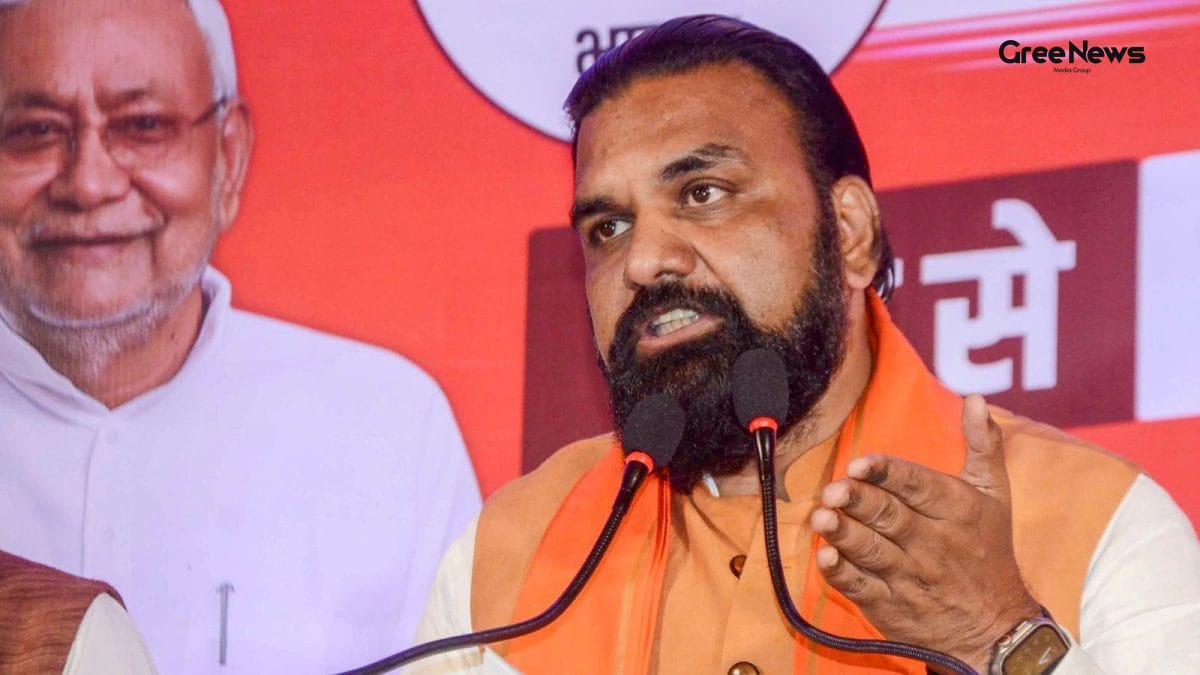
In a surprising turn of events that has become the talk of the town, the Bihar government has officially removed the name of Sanjay Gandhi from two major institutions in Patna. The Sanjay Gandhi Biological Park, a beloved landmark since the 1970s, has been renamed "Patna Zoo" and the Sanjay Gandhi Institute of Dairy Technology has been rebranded as the Bihar State Institute of Dairy Technology. These changes were part of a massive cabinet meeting chaired by Chief Minister Samrat Choudhary, where 61 decisions were approved, ranging from a massive power‑subsidy scheme for consumers to the creation of new degree colleges in underserved blocks, a Centre of Excellence for autism treatment, and the allocation of land for a new National Institute of Fashion Technology campus. While the renaming has sparked a mix of curiosity, nostalgia, and debate among locals, the broader set of welfare and education initiatives promises to reshape the state's development landscape. This article walks you through the details, the reasons behind the renaming, and what these moves could mean for people across Bihar, all presented in a conversational, first‑person style that captures the buzz of the latest news India.
Apr 30, 2026 by GreeNews Team
Business
Vedanta’s Ex‑Demerger Day Explained: What Indian Investors Should Watch
In this detailed piece I walk you through the latest news India has to offer about Vedanta Ltd’s ex‑demerger day, a key event that could reshape the portfolio of many shareholders. I break down what a demerger actually means, why the record date matters, how the special pre‑open session will decide the ex‑demerger price, and what the valuation outlook looks like according to market analysts. You’ll also get a glimpse of my own experience of tracking this breaking news, the practical steps I took to stay eligible, and why many investors are buzzing about the potential upside. By the end of the article you’ll understand how this India updates can affect your holdings, the mechanics behind the price discovery, and the post‑split valuation that Nuvama has pegged at roughly Rs 936 per share. Whether you are a seasoned trader or just curious about corporate restructuring, this story offers a clear, relatable guide to navigating Vedanta’s move.
Apr 30, 2026 by GreeNews Team

Sports
India’s Nail‑Biting 2‑3 Loss to China in Thomas Cup Sparks Talk of a Jap‑India Quarter‑Final Showdown
In a gripping Thomas Cup group encounter, India fell 2‑3 to China despite a heroic comeback from Ayush Shetty and a victorious finish by HS Prannoy. The tie saw early setbacks with Lakshya Sen and the Rankireddy‑Shetty duo losing, but the Indian side fought back, earning crucial points in the second singles and final match. The narrow defeat left India second in Group A, guaranteeing a spot in the quarter‑finals where they are likely to clash with Japan, the group‑topper. This article walks through each match, shares player reactions, and explores what the result means for India’s chances of lifting the coveted Thomas Cup. It also looks at crowd vibes, the pressure of a first‑time Thomas Cup appearance for some, and why this fixture has become one of the most discussed pieces of breaking news in Indian badminton circles, feeding the latest news India fans are eager to follow.
Apr 30, 2026 by GreeNews Team

Sports
India Trails China 0-1 in Thomas Cup Group A After Lakshya Sen’s Upset What Happens Next?
In a gripping opening clash of the Thomas Cup Finals at Horsens, the Indian men's badminton team found themselves trailing China 0-1 after a hard‑fought three‑game battle. Rising star Lakshya Sen went head‑to‑head with world No. 7 Li Shi Feng and despite showing flashes of brilliance, eventually fell 19‑21, 21‑8, 12‑21. The loss left India in a catch‑up position early in the tie, putting extra pressure on the senior doubles pair Satwiksairaj Rankireddy and Chirag Shetty to level the score. The article walks you through every twist of the encounter, from the tense start and the dramatic swing in the second game to the bewildering finale that saw Li pull away. It also outlines the upcoming key doubles showdown, the subsequent singles match featuring Ayush Shetty, and the final doubles pairing of Hariharan Amsakarunan and MR Arjun against Chinese opponents. Packed with personal observations, fan reactions, and a sprinkle of the latest news India readers are buzzing about, this piece gives you a comprehensive look at what the current standing means for India’s chances and why many people were surprised by the turn of events.
Apr 30, 2026 by GreeNews Team