Honestly, when I first heard about the Union Cabinet’s latest move over my morning chai, I thought it might be another political promise that would fade away. But then I read the details a 2 per cent hike in Dearness Allowance for all central government employees, pushing the total DA from 58 per cent to 60 per cent of the basic salary. That caught my attention because, you know, every little bump in the allowance feels like a lifeline when groceries and fuel keep climbing.
What the Cabinet Decided The Facts
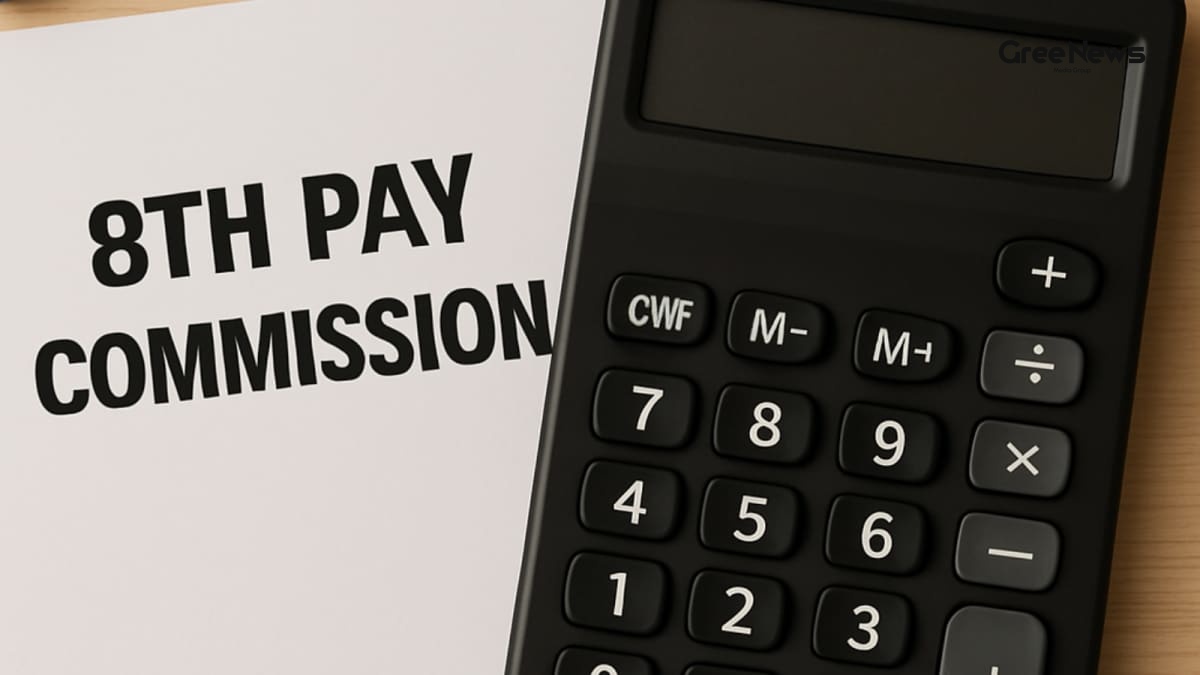
So, here’s the low‑down, laid out in plain language: the Union Cabinet, under the leadership of Prime Minister Narendra Modi, gave the Green light to raise the Dearness Allowance by two percent. This means that the allowance, which is already set at 58 per cent of an employee’s basic pay, will now sit at 60 per cent. In the world of government payrolls, that shift is officially recorded as a “2 per cent DA hike”. It’s a part of the broader compensation review that happens from time to time, often linked to the recommendations of the pay commission in this case, the 8th Pay Commission’s guidelines.
This announcement has quickly become part of the latest news India streams, popping up in breaking news bulletins and many of the trending news India feeds on social platforms. People are sharing the news, and it’s turning into a bit of viral news, especially among staff in ministries, banks, and public sector undertakings.
Understanding Dearness Allowance Why It Matters
If you’re not from a government background, DA might sound like just another acronym. In reality, it’s a cost‑of‑living adjustment that the government cooks up to protect employees from inflation. Basically, when the Consumer Price Index (CPI) goes up, the DA factor is revised so that the real purchasing power of salaries doesn’t erode. That’s why you’ll often hear people saying, “DA is our inflation shield”.
For a typical central employee drawing a basic pay of ₹30,000, a two‑per‑cent rise in DA translates to an extra ₹600 per month not a fortune, but enough to make a difference when you’re budgeting for a school fee or a family outing. And because DA is calculated on the basic pay, any future hikes in the basic scale will automatically swell the allowance too.
In most cases, the DA component is taxed as part of the salary, but the indexation helps cushion the impact of rising prices, which is why it’s always a hot topic in the India updates cycle.
Why a 2% Bump Is Being Talked About So Much
At first glance, a two‑per‑cent increase may not sound like a blockbuster announcement, especially when you compare it with earlier, larger hikes. But here’s the thing the current inflation scenario in the country is still high, and many government staff feel the pinch. So, even a modest jump in DA becomes a headline‑making piece of breaking news.
What’s interesting is that this decision also reflects the government’s attempt to maintain a balance. They want to keep employees satisfied without over‑stretching the exchequer. The 8th Pay Commission’s earlier recommendations suggested a larger uplift, but the cabinet chose a measured rise, perhaps considering fiscal constraints.
Many people were surprised by this measured approach, especially the ones who expected a bigger figure after the last round of salary negotiations. That surprise has added a layer of curiosity what will be the next step? Will there be a larger increase later in the fiscal year? The question is still open, and that’s keeping the conversation alive on social media and in office break‑rooms.
Impact on Different Categories of Employees
Let’s break it down a bit. Central employees range from top‑level officers earning in lakhs to junior clerks pulling in a few thousand rupees. Because DA is a percentage of basic pay, the absolute gain varies:
- Senior officers with a basic of ₹1,00,000 see an extra ₹2,000 per month.
- Mid‑level staff earning ₹50,000 get about ₹1,000 extra.
- Junior staff on a ₹20,000 basic receive roughly ₹400 more.
So, while the percentage remains the same, the actual money lands differently. That’s why the headline is often accompanied by a deeper analysis in the news to let each group understand what the figure means for them personally.
Another point that many are pointing out is the effect on pension calculations. The pension for government retirees is typically calculated on the last drawn basic pay plus DA. A higher DA level now could mean a slightly more comfortable pension for those who retire in the coming years a detail that is turning into another piece of trending news India coverage.
Comparison with State Governments A Quick Glance
One thing that often comes up in the discussion is why state government salaries sometimes differ from the central ones, even though both follow the same pay‑commission recommendations. The answer lies in each state’s revenue capacity, debt levels, and political priorities. Some states can afford a bigger DA hike, while others stick to the central recommendation.
Because the Union Cabinet’s decision applies only to central employees, many state employees are watching closely. They wonder if their respective state cabinets will mirror this 2% increase or adopt a different figure. That curiosity is fueling a lot of viral news, as employees from different regions share their expectations and concerns on local forums.
Public Reaction Voices from the Ground
When the news broke, office corridors were buzzing. I spoke with a junior clerk in Delhi who said, “It’s a small relief, but we still have to think about rising bread prices.” A senior officer in Mumbai added, “We appreciate the move, but the real test will be how the government handles inflation in the coming months.” These personal snippets have been cropping up in many stories, turning a simple fiscal update into a human‑interest piece that resonates with a wide audience.
On social media, the hashtag #DAincrease trended for a few hours, with many users sharing memes that juxtaposed the modest rise against the backdrop of soaring fuel costs. The mix of humor and genuine concern has helped the story become part of the viral news cycle, encouraging more people to discuss the implications.
Economic Context Why Timing Matters
Economically, the country is still navigating post‑pandemic recovery, and the inflation rate has been hovering above the target band. The government’s decision to tweak DA reflects its attempt to shield salaried workers from the worst of price rises. It also signals to the market that the administration is responsive, a point that often appears in India updates and financial news portals.
Some analysts argue that a larger hike could have spurred more consumption, but they also caution about the fiscal deficit. The modest 2% rise is seen as a compromise enough to provide marginal relief without sharply increasing the wage bill.
What to Watch Next A Quick Outlook
Now that the DA has been raised to 60 per cent, many are wondering about the next steps. Will there be another revision before the year ends? Will the central and state governments align their DA percentages? These questions are keeping the story alive in the trending news India feeds.
For employees, the immediate takeaway is to update their salary calculators and check how the new DA reflects in their payslips. For the general public, it’s a reminder that salary adjustments, even small ones, can ripple through the economy, influencing spending, savings, and even the political narrative.
In short, while the 2% DA hike may seem modest, its impact is felt across multiple layers from individual household budgets to larger fiscal planning. That’s why this piece of breaking news continues to generate discussions, analysis, and a fair bit of curiosity among both officials and citizens alike.