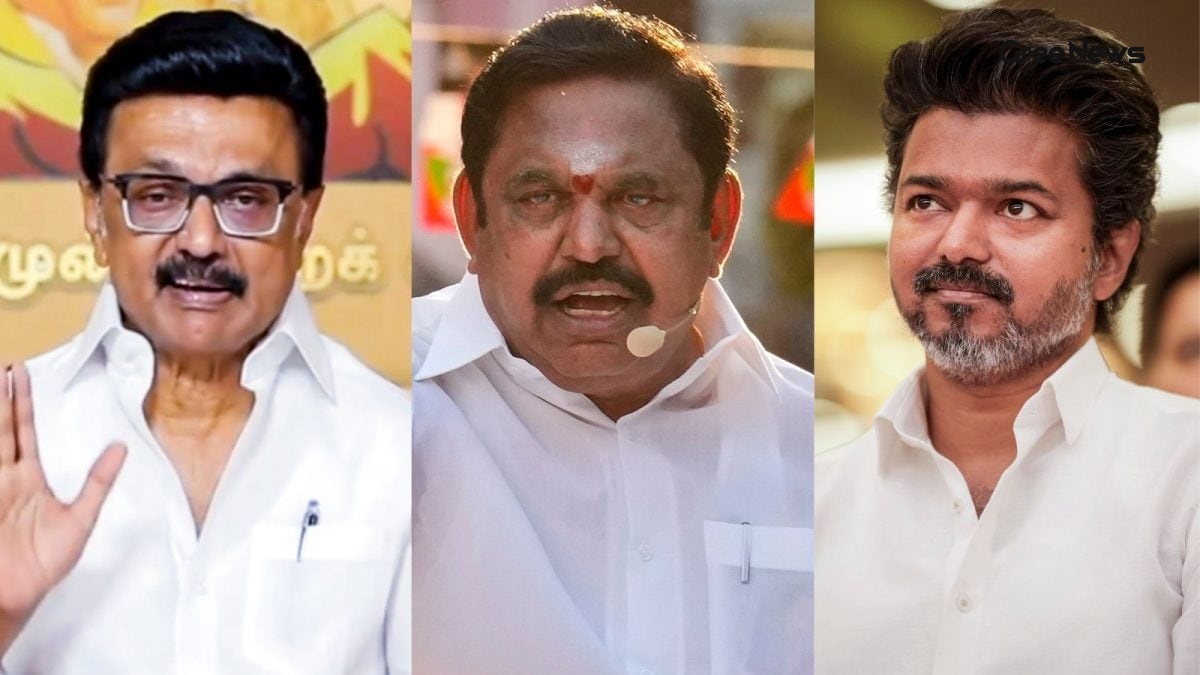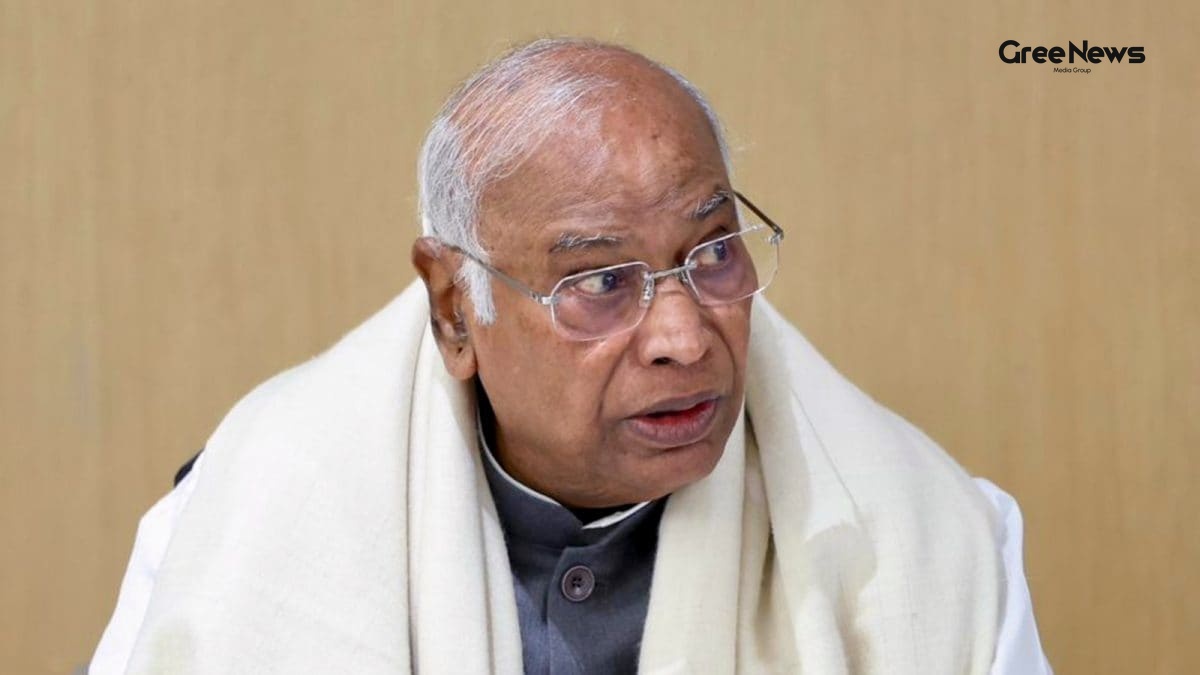
A row erupted after Congress President Mallikarjun Kharge called PM Modi a "terrorist" during a press conference in Chennai, after which the BJP filed a complaint with the ECI.
Honestly, when I first heard about Mallikarjun Kharge calling the Prime Minister a "terrorist", I thought it was some prank or a misquote. But no, it was a real thing that happened in front of a crowd of journalists, and it quickly turned into the latest news India, making headlines across portals and even on my WhatsApp forwards.
The Election Commission took note of the remark, and in a move that many saw as a warning shot, they gave Kharge 24 hours to explain his stance. The whole thing felt like something out of a political thriller you know, the kind that keeps you glued to the screen because you wonder what’ll happen next.
What triggered the BJP’s strong reaction?
The Bharatiya Janata Party didn’t waste any time. A three‑member delegation, which included Finance Minister Nirmala Sitharaman, marched to the Election Commission’s office, clearly angry and a little flustered. They said they were there with "great sorrow and anger", a phrase that sounded almost theatrical, but it showed just how seriously they took the insult.
Union Parliamentary Affairs Minister Kiren Rijiju, speaking on behalf of the BJP, said, "Calling the PM a terrorist is an insult to the entire country." The comment struck a chord with many voters who, in most cases, see the Prime Minister as a symbol of national pride. That’s why the controversy blew up into breaking news across the nation, trending on social media as "viral news" within minutes of the press conference.
What Did Kharge Say?
Okay, let’s break down what actually happened on that day in Chennai. Mallikarjun Kharge was out there campaigning for the DMK‑led alliance you know, the big fight in Tamil Nadu that’s been heating up as the election date approaches. He started questioning the AIADMK’s decision to ally with Modi’s party, throwing in a line that rattled everyone: "Modi is a terrorist. He doesn’t believe in equality or justice."
He tried to back his claim by mentioning historical leaders Periyar, Dr Ambedkar, Annadurai, Kamalraj, and Kalaignar saying they all fought for reservation, equality, and fraternity. According to Kharge, Modi’s policies don’t line up with those ideals. He added that the Prime Minister “uses agencies like the ED and IT to threaten people”.
When pressed by reporters, Kharge quickly tried to clarify. He said, "What I said was that Modi always threatens, using agencies in his hand, such as the ED and IT. All these institutions are in his hands. Again, this delimitation also, he wants to take in his hand. In that context, I said he is terrorising people and political parties. I never said he was a terrorist." The shift from "terrorist" to "terrorising" is subtle, but it became a huge point of debate in every news outlet covering the story.
How the Election Commission Reacted
Now, the Election Commission’s role is to keep the political game fair, especially when elections are around the corner. They issued a notice that read like a warning: Kharge must explain his statement within 24 hours, or the commission might consider punitive action. That document, when leaked, became trending news India and sparked a wave of opinions on Twitter, where many users shared memes and short videos of the press conference.
People started speculating whether the EC would take a hard line or just give a slap‑on‑the‑wrist. Given the sensitivity of the language “terrorist” is a strong term in any democracy the commission felt it had to act fast. In most cases, the EC tries to stay neutral, but when the language drifts into accusations of terrorism, it’s hard to ignore.
Public and Media Reaction From Viral Tweets to Street Debates
Meanwhile, the streets of Chennai, Delhi, and even small towns in Uttar Pradesh lit up with heated conversations. In my own neighbourhood, the tea‑stall owner started a debate over his chai, asking, "Is it okay for a leader to call the PM a terrorist?" People shouted back and forth, some defending Kharge’s right to criticize, others saying such remarks cross a line.
On the digital front, the clip of Kharge’s speech went viral within an hour. It was shared with captions like "Breaking News: Congress leader calls PM a terrorist" and trended under the hashtag #KhargeVsModi. Even some TV anchors, who usually stay neutral, couldn’t resist adding their own spin, calling it a "dangerous rhetoric" that could affect the upcoming polls.
It’s interesting how quickly a single statement can become part of the "trending news India" cycle. A lot of people started quoting the part where Kharge said, "He is terrorising people and political parties" some took it at face value, while others argued it was an over‑statement.
Legal Angle What Could the EC Do?
Legally speaking, the Election Commission can invoke provisions of the Model Code of Conduct to curb hate speech. If they decide Kharge’s words amount to defamation or incitement, they could issue a show‑cause notice, restrict his campaign activities, or even ask the court to intervene.
However, the EC also has to balance free speech a cornerstone of Indian democracy. Many legal experts, quoted in various news portals, said the phrase “terrorist” is borderline, and context matters. If Kharge can convincingly argue that he meant "terrorising" and not an actual terrorist label, the EC might just file a warning.
That’s why the 24‑hour deadline is crucial. It gives Kharge a chance to rewrite his statement, perhaps issuing an apology or clarification, which could calm the waters. In past cases, politicians have avoided harsher penalties by promptly responding.
Political Fallout What This Means for the Upcoming Elections
From a political strategist’s viewpoint, this incident could be a double‑edged sword. For the Congress, it shows that their leader is willing to take bold stands, which might attract some voters who are fed up with the status quo. On the flip side, it also gives the BJP ammunition to portray the Congress as disrespectful and radical.
In Tamil Nadu, where AIADMK’s alliance with the BJP has already raised eyebrows, Kharge’s comment could sway undecided voters. Some local analysts say that the DMK‑led front might use this drama to highlight the BJP’s “political opportunism”. Others warn that the controversy could alienate moderate voters who prefer polite discourse.
Moreover, the incident has already become a part of the larger narrative in the “latest news India” feed on most portals, shaping how people perceive the parties in the weeks leading up to voting.
Personal Take Why It All Feels So Charged
Honestly, watching this unfold feels a bit like watching a cricket match go into a slog‑over. You can see the tension, the quick runs, and the occasional wicket. The words "terrorist" are heavy, and in India, they trigger strong emotions because of the long history of terrorism in our sub‑continent.
When politicians use such strong language, it’s not just about the immediate insult it’s about the ripple effect on public sentiment, on election campaigns, and on the media’s agenda. That’s why you see so many “viral news” pieces dissecting every nuance of Kharge’s speech.
And it’s not just about the big leaders; it’s also about the everyday person, like my neighbour who works in an IT firm, who now has to discuss this at the office water cooler. That’s the kind of pervasive impact that makes a political statement turn into breaking news India.
Conclusion What Happens Next?
So, what’s the next step? The Election Commission will hear Kharge’s explanation, and depending on how he frames it, we might see a formal warning, a demand for an apology, or something more serious. Meanwhile, the BJP will likely keep pressing for stricter action, making this a hot topic in the next round of "India updates" across media channels.
For now, we’ll keep watching how the story develops whether it fades away like many past controversies or becomes a lasting reminder of how powerful words can be in India’s political arena. Stay tuned, because the next twist might be just around the corner, and it could change the political landscape just before the polls.