Donald Trump Asserts He Prevented Tens of Millions of Fatalities by Ending India‑Pakistan Clash
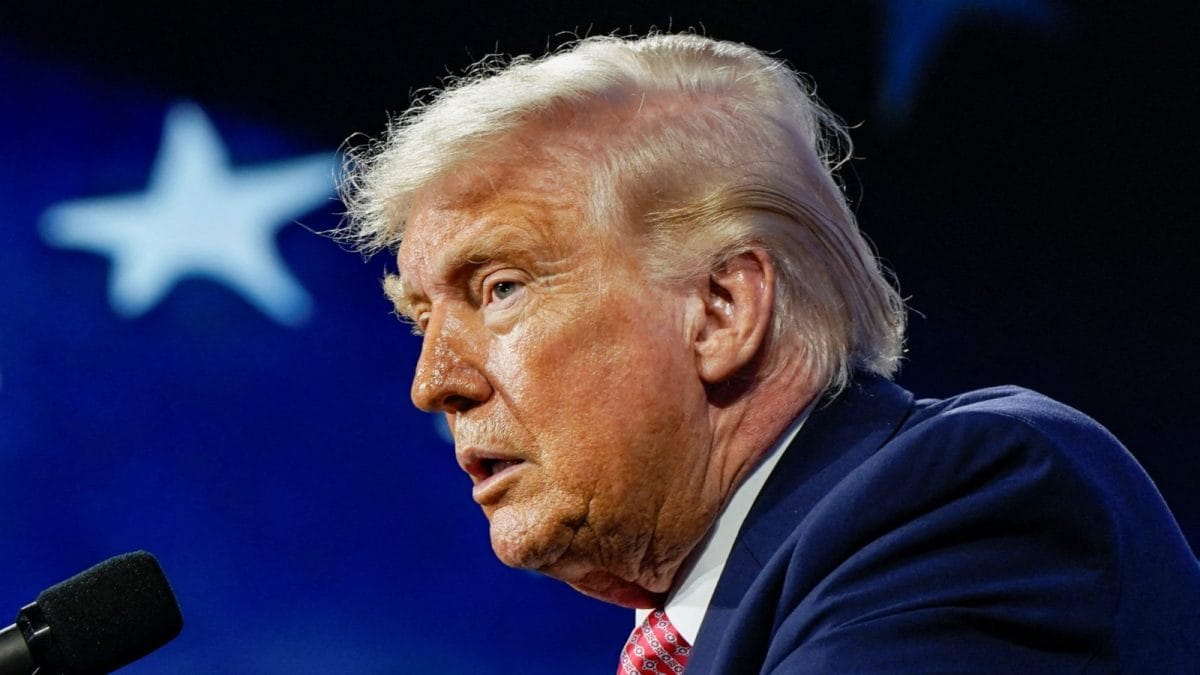
Donald Trump repeats his claim of ending the India‑Pakistan escalation and says he “saved 30 to 50 million lives.”
Background of the South Asian Conflict
India launched Operation Sindoor in response to a terror attack in Pahalgam. The operation targeted terrorist infrastructure inside Pakistan and the region of Pakistan‑occupied Kashmir, resulting in the neutralisation of several militants. Within a few days, a diplomatic understanding was reached that halted the exchange of fire, bringing an abrupt end to a brief but potentially volatile confrontation between the two nuclear‑armed neighbours.
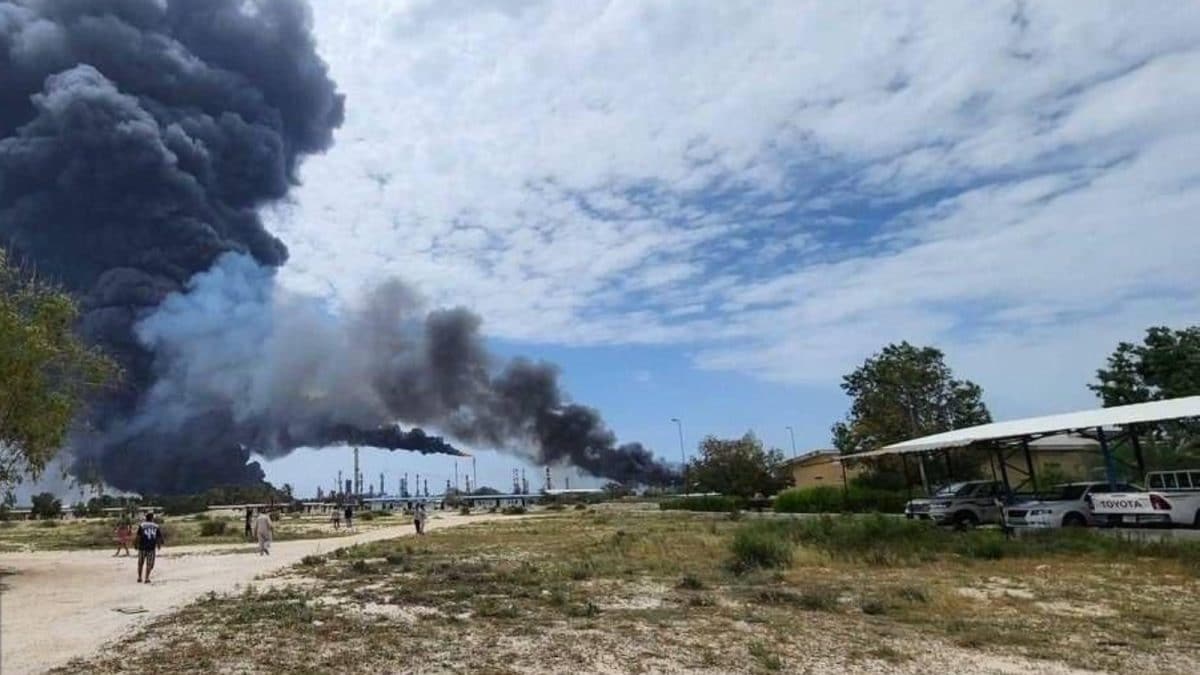
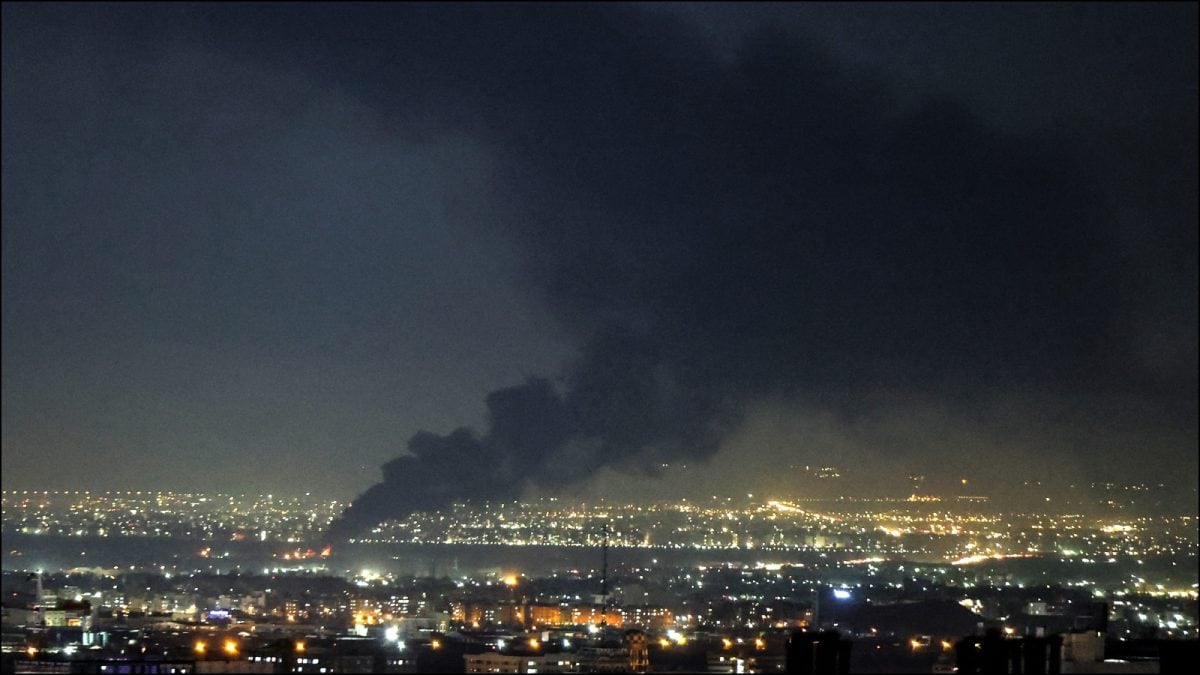
During the same period, the United States has been engaged in a protracted confrontation with Iran in West Asia. The broader regional tension has spilled over into the Gulf, affecting oil transportation routes and international travel patterns.
Donald Trump’s Public Declaration
Speaking at a press conference inside the White House, Donald Trump asserted that he had been directly responsible for terminating multiple international hostilities, specifically highlighting the recent India‑Pakistan escalation. Donald Trump emphasised the scale of the humanitarian impact, stating, “I ended eight wars, including the one between India and Pakistan, so much so that the Prime Minister of Pakistan told me that I saved 30 to 50 million lives.”
Donald Trump further expressed disappointment at not having received the Nobel Peace Prize for what he described as a series of successful peace‑building initiatives. The statement came amid ongoing domestic criticism concerning the United States’ military campaign against Iran, a campaign that has extended into the Gulf and disrupted global oil markets.
Reactions from the Involved Nations
India has consistently denied any involvement by Donald Trump in the cessation of the hostilities, maintaining that the cease‑fire emerged from bilateral negotiations between India and Pakistan without external mediation. Conversely, Pakistan has publicly offered credit to Donald Trump and has even gone so far as to nominate Donald Trump for the Nobel Peace Prize, citing the alleged lives saved as a primary justification.
The Prime Minister of Pakistan reiterated the claim that the United States’ leader played a decisive role, noting that diplomatic channels between the two governments had been activated following Donald Trump’s direct outreach. The Prime Minister of Pakistan’s statements have been echoed in official Pakistani communications, which highlight the perceived gratitude for the United States’ intervention.
Criticism of Allied Support in the Iranian Conflict
During the same briefing, Donald Trump directed criticism toward several traditional United Nations allies, alleging a lack of cooperation in the ongoing confrontation with Iran. Donald Trump specifically named South Korea, Australia, and Japan as nations that, in his view, have not provided sufficient assistance despite the substantial United States military presence in the region.
The United Nations allies’ perceived lack of support, according to Donald Trump, hampers the United States’ ability to re‑open the Strait of Hormuz—a strategic maritime corridor crucial for the flow of petroleum products. Donald Trump argued that the United Nations allies’ hesitation undermines the broader goal of securing stable energy supplies for global markets.
Escalatory Rhetoric Toward Iran
Donald Trump concluded the press conference with a stark warning directed at Iran. He declared that the United States possesses a comprehensive plan capable of disabling critical Iranian infrastructure should diplomatic negotiations fail to meet a deadline set by the United States. Donald Trump warned, “We have a plan, because of the power of our military, where every bridge in Iran will be decimated by 12 o’clock tomorrow night.” He added that power generation facilities could also become targets, underscoring the United States’ readiness to execute a broad range of military options.
These remarks reflect an intensifying rhetoric that seeks to pressure Iran into compliance with United States demands, while also signaling to global audiences the extent of United States resolve.
Analysis of the Claims and Their Implications
Donald Trump’s assertion of having saved tens of millions of lives hinges on the belief that the India‑Pakistan confrontation could have escalated into a full‑scale war, given the nuclear capabilities possessed by both nations. By presenting the cessation as a direct result of United States involvement, Donald Trump frames the United States as a decisive peace‑keeping force on the world stage.
Critics, however, argue that the diplomatic channels between India and Pakistan have historically been capable of de‑escalating tensions without external influence. The Indian government’s consistent denial of United States involvement supports this viewpoint, suggesting that the United States’ role may have been more symbolic than operational.
From a geopolitical perspective, the contrasting narratives from India and Pakistan illustrate the complex dynamics of South Asian politics. Pakistan’s willingness to publicly commend Donald Trump and to nominate him for a prestigious international award may reflect a strategic effort to deepen bilateral ties with the United States, especially amid its broader confrontation with Iran.
Meanwhile, the United States’ frustration with allied nations over the Iranian dispute signals a potential shift in how the United States expects burden‑sharing among its partners. By publicly naming specific countries, Donald Trump signals a demand for greater participation in future operations, possibly reshaping alliance expectations.
The explicit threat against Iranian infrastructure adds another layer of tension to an already precarious regional environment. Should the United States follow through on such threats, the impact on Iran’s civil population could be severe, potentially affecting millions of civilians dependent on electricity and transport networks.
International observers note that the language used by Donald Trump aligns with a broader strategy of leveraging the threat of overwhelming force to achieve diplomatic objectives. The narrative of “saving millions of lives” serves both as a domestic political tool and as an external diplomatic signal intended to bolster United States credibility.
In sum, the claims advanced by Donald Trump intertwine humanitarian rhetoric with strategic posturing. The divergent reactions from India and Pakistan highlight the contested nature of United States influence in South Asia, while the stern warnings directed at Iran exemplify the United States’ broader approach to securing its interests in the Middle East.