Donald Trump Insists 8 p.m. Eastern Deadline Stands, Threatens Heavy Strikes on Iran
White House says only Donald Trump knows the next steps as the deadline looms and threats sharpen.
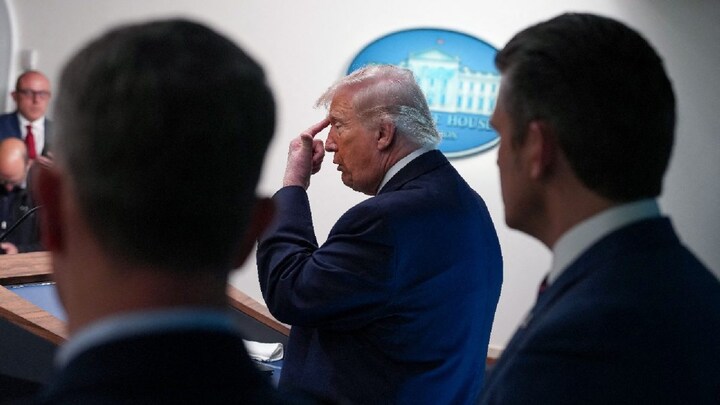
Unwavering Position on the 8 p.m. Deadline
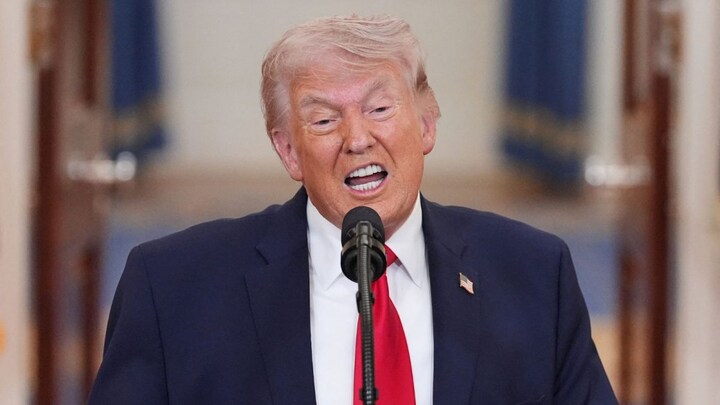
Donald Trump has repeatedly affirmed that the 8 p.m. Eastern Time deadline remains firm and that the United States military stands prepared to execute heavy strikes against Iran should the deadline pass without a satisfactory resolution. The statement was delivered during a telephone interview conducted by Fox News anchor Bret Baier, during which Donald Trump emphasized that “8 p.m. is happening.”
Throughout the conversation, Donald Trump avoided speculation about the likelihood of a negotiated settlement with Iran, yet reiterated that the timetable concerning the deadline continues to advance. Donald Trump indicated that the United States government is proceeding with the operational plans already set in motion, while also acknowledging that a concrete diplomatic breakthrough could still influence the ultimate direction of events.
Potential Military Action Described by Donald Trump
Donald Trump warned that failure to meet the deadline would trigger an unprecedented assault, describing the prospective attack as something “they have not seen.” The characterization underscores the severity of the response that the United States military would be prepared to deliver, encompassing a range of potential targets and tactics that have not been employed against Iran in recent history.
The warning also referenced earlier statements made by Donald Trump concerning possible targets within Iranian territory, including bridges, power plants and other elements of civilian infrastructure. While specific operational details were not disclosed, the emphasis on “an attack like they have not seen” conveys an intent to carry out a decisive and far‑reaching military operation.
White House Clarification and Karoline Leavitt’s Statement
When queried about the scope of possible military options and reports that Iran had halted negotiations, the White House reiterated that the ultimate decision rests solely with Donald Trump. Press Secretary Karoline Leavitt told AFP that the Iranian regime has until 8 p.m. Eastern Time to “meet the moment and make a deal with the United States.” Karoline Leavitt emphasized that “only the President knows where things stand and what he will do,” reinforcing the message that any shift in policy will be directed by Donald Trump alone.
Karoline Leavitt’s comments also highlighted the ongoing diplomatic considerations, indicating that the United States government continues to monitor the situation closely and will adjust its posture as necessary. The statement served to underline both the seriousness of the deadline and the limited public insight into the internal deliberations of the administration.
Social Media Messaging from Donald Trump
In addition to the televised interview, Donald Trump posted a stark warning on the social media platform Truth Social, stating, “A whole civilization will die tonight, never to be brought back again. I don’t want that to happen, but it probably will.” The message, though lacking specific operational details, amplified the gravity of the situation and reflected Donald Trump’s willingness to communicate the potential consequences of inaction directly to the public.
The phrasing employed by Donald Trump conveys a sense of inevitability while simultaneously expressing a desire to avoid catastrophic outcomes. This duality serves to pressure the opposing side while also signaling to domestic and international audiences that the United States government is prepared to take decisive action if diplomatic avenues fail.
Strategic Significance of the Strait of Hormuz
Embedded within the broader context of the deadline is the strategic importance of the Strait of Hormuz, a crucial maritime corridor for the global flow of oil and other commodities. Donald Trump has set a deadline of midnight GMT for Iran to cease its de facto closure of this waterway, underscoring the potential economic ramifications that continued obstruction could entail.
The United States military has long emphasized the importance of keeping the Strait of Hormuz open, recognizing that any prolonged blockage could disrupt international trade and elevate global energy prices. By linking the deadline to the status of the Strait, Donald Trump is signaling that any failure to reach an aGreement may have far‑reaching implications beyond the immediate military engagement.
Implications for International Relations
The firm stance taken by Donald Trump places considerable pressure on Iran to engage in negotiations before the stipulated deadline expires. At the same time, the resolve expressed by the United States government, as articulated by both Donald Trump and Karoline Leavitt, sends a clear message to allied nations and regional partners regarding the United States’ commitment to safeguarding maritime commerce and maintaining regional stability.
Allied governments are likely to monitor the evolving situation closely, weighing the potential repercussions of either a diplomatic resolution or a large‑scale military response. The United Nations and other multilateral bodies may also be drawn into discussions surrounding the legal and humanitarian ramifications of any extensive strike on Iranian civilian infrastructure.
Potential Outcomes and Scenarios
If Iran chooses to meet the deadline and engage in a mutually acceptable aGreement, the United States government could avert the need for a heavy strike, preserving lives and maintaining the flow of commerce through the Strait of Hormuz. In such a scenario, the diplomatic channels would likely be reinforced, and a framework for future cooperation could emerge.
Conversely, should Iran fail to meet the deadline, the United States military would be authorized to proceed with an attack described by Donald Trump as unprecedented in its scale. The prospective targets, previously hinted at by Donald Trump, could include critical infrastructure such as bridges and power facilities, potentially resulting in significant civilian casualties and widespread disruption.
Each outcome carries distinct ramifications for regional security, global markets, and the broader geopolitical landscape. The United States government’s decision‑making process, as indicated by Karoline Leavitt, remains tightly controlled, with the final determination residing solely with Donald Trump.
Conclusion
The continuation of the 8 p.m. Eastern Time deadline reflects a decisive moment in the ongoing tension between the United States and Iran. Donald Trump’s unwavering messaging, coupled with the White House’s clarification that only Donald Trump possesses the authority to modify the course of action, underscores the high stakes attached to the upcoming hours.
International observers, regional actors, and domestic audiences alike are left to contemplate the potential consequences of either a diplomatic breakthrough or a major military engagement. The steadfast approach articulated by Donald Trump and reinforced by Karoline Leavitt signals that the United States government remains prepared to act decisively in defense of its strategic interests and the stability of a critical global shipping route.