Dorset Police Shut Down Illegal Rave Amid Allegations of Unethical Force
A participant at the illegal gathering near East Lulworth claims Dorset Police used excessive and unethical violence while dispersing the event, which attracted roughly 2,000 attendees.
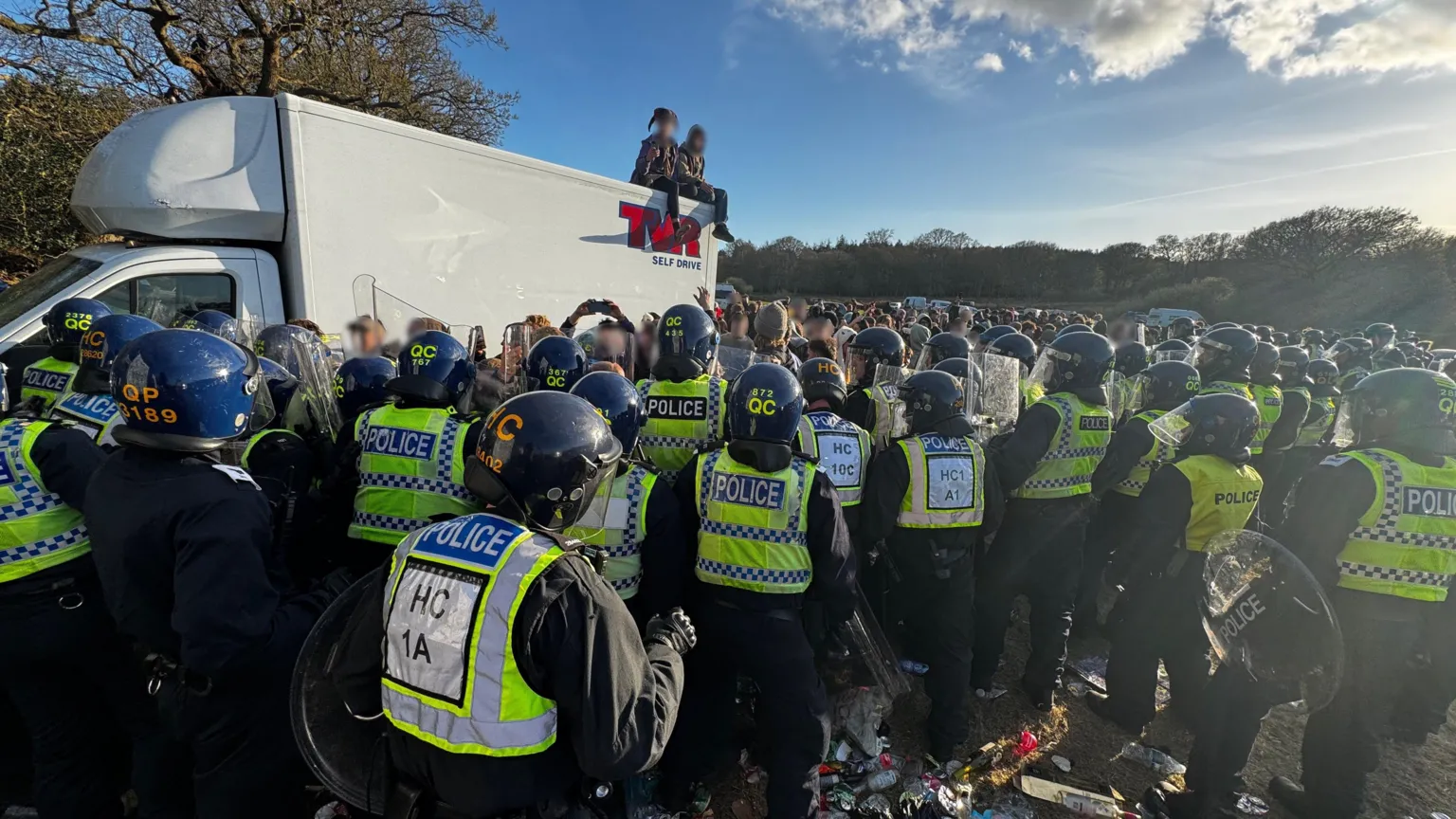
Police officers working to close an illegal rave at a remote beauty spot used force described by a partygoer as "unhuman‑like" and "unethical". The incident unfolded near East Lulworth, a coastline famous for its cliffs and clear waters, and attracted an estimated 2,000 individuals before Police officers intervened on the evening of Sunday.
Dorset Police announced that a total of eleven arrests were made at the gathering. The arrests covered a range of offences, including driving while under the influence of alcohol, possession of illicit substances, and assault on an emergency worker. Dorset Police also reported that officers seized a variety of equipment commonly used at unlicensed events, such as sound amplifiers, lighting rigs, and portable generators.
Zak Hanman, a resident of Swindon, attended the event and offered a detailed account of the police operation. Zak Hanman described the atmosphere at the beginning of the night as "very peaceful" and emphasised that Zak Hanman had not consumed alcohol or any drugs, remaining completely sober throughout the evening.
According to Zak Hanman, Police officers began what Zak Hanman characterised as an "attack" on attendees despite the absence of any provocation from the crowd. Zak Hanman stated, "Everyone was just enjoying themselves, but the police… started dragging people to the floor, hitting them, attacking them when no violence was presented towards them."
Zak Hanman further asserted that the violence employed by Police officers was both unethical and unnecessary. Zak Hanman declared, "The violence they used was unethical, it was unhuman‑like and it was just not needed."
While Zak Hanman admitted to witnessing some violent behaviour directed toward Police officers later in the night, Zak Hanman maintained that such actions were a reaction to the initial aggression displayed by Police officers. Zak Hanman explained, "Towards the end, yes, people were throwing stuff at them [the police], but that was not until they were hitting people, attacking people."
One specific incident highlighted by Zak Hanman involved a police officer using a baton on a man who was already on the ground. Zak Hanman recounted, "In one case in particular, I saw officers hit this guy with a baton, even when he was on the floor." Zak Hanman concluded, "Yes, people were taking drugs, yes, people were drunk, but that doesn't mean beat them up. Any human in their right mind can see that it was just not called for."
Dorset Police responded to the allegations made by Zak Hanman with a formal statement. The statement from Dorset Police read, "This event caused significant disruption to local communities and we took appropriate and proportionate action to bring it to a safe conclusion. While responding to the incident involving a large number of people, our officers came under attack from missiles and faced a violent and hostile reception. Violence in our communities and against our officers will not be tolerated."
The timeline of the operation, as outlined by Dorset Police, began with a first report at approximately 23:45 BST on Saturday. Following the report, Police officers were dispatched to the site and remained on scene throughout the night, working until the early hours of Sunday morning to fully disperse the crowd.
During the operation, Police officers encountered what they described as a "violent and hostile reception," with objects thrown at officers as they attempted to secure the perimeter. Police officers also reported that some individuals attempted to resist arrest by using makeshift weapons and by physically confronting the police presence.
In addition to the arrests and equipment seizures, Police officers closed nearby roads to prevent further traffic from reaching the site. The road closures were lifted once the area was deemed safe and all attendees had been accounted for or had left the vicinity.
The legal framework underpinning the police response is found in the Criminal Justice and Public Order Act. This legislation grants Police officers the authority to stop vehicles within a five‑mile (approximately eight kilometre) radius of an unlicensed gathering and to turn those vehicles away if they are suspected of facilitating the event. The Act also provides Police officers with powers to intervene in gatherings of more than twenty people listening to music after designated nighttime hours.
Both sides of the dispute – Zak Hanman and Dorset Police – stressed the importance of public safety. Zak Hanman highlighted the need for police conduct that respects the rights and dignity of citizens, especially in a setting that had initially been described as peaceful. Dorset Police, meanwhile, underscored the challenges of managing a large, unlicensed crowd in a remote location, where the potential for disorder and the presence of illegal substances can rapidly change the nature of the event.
The incident has sparked a broader conversation about how law‑enforcement agencies handle large, spontaneous gatherings in rural areas, and whether the existing legal tools provide sufficient guidance for proportional use of force. While no new legislative measures have been announced, the exchange of statements between Zak Hanman and Dorset Police contributes to an ongoing public dialogue about the balance between maintaining order and protecting civil liberties.
In summary, the illegal rave near East Lulworth drew a crowd of about two thousand attendees before Dorset Police intervened. Police officers made eleven arrests, seized equipment, and enforced road closures. Zak Hanman, a sober attendee from Swindon, criticised the tactics used by Police officers as unethical and unnecessary. Dorset Police defended their actions as proportionate and necessary in response to hostile attacks from within the crowd. The legal authority for the operation was derived from the Criminal Justice and Public Order Act, which empowers Police officers to disrupt unlicensed gatherings and to stop vehicles that may be supporting such events.