Supreme Court Reviews Landmark Ruling on Women’s Access to Sabarimala Temple
Legal scholars warn that the Supreme Court’s upcoming verdict could reshape women’s religious rights across India’s diverse faith traditions.
Background of the 2018 Judgment
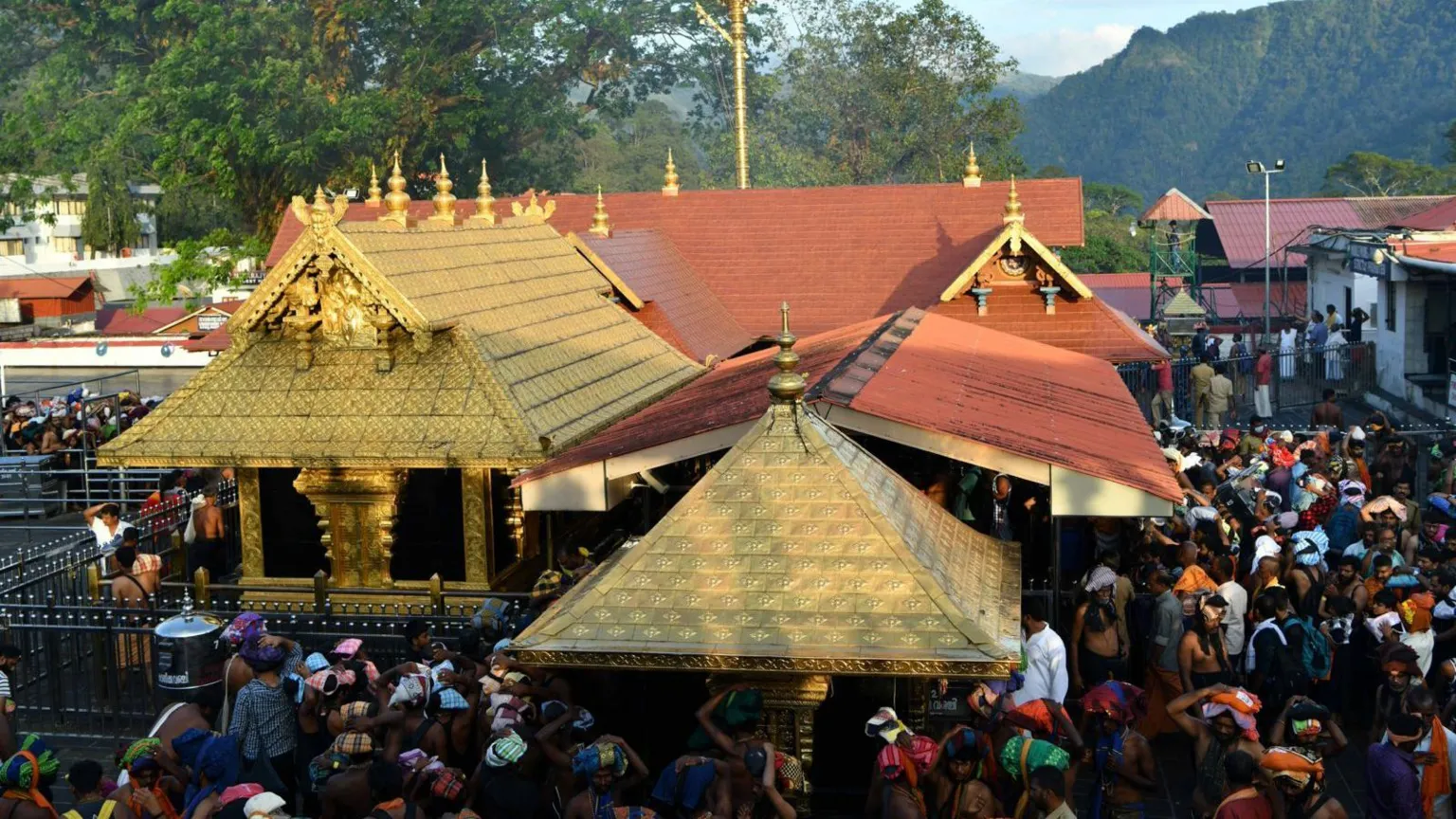
In 2018 the Supreme Court issued a historic decision that struck down a long‑standing prohibition on women of menstruating age entering the Sabarimala temple in the southern state of Kerala. The prohibition, rooted in traditional Hindu practice, barred women between the ages of ten and fifty from setting foot in the shrine dedicated to Lord Ayyappa. The 2018 judgment declared that exclusion based solely on biological factors was discriminatory and violated the constitutional guarantee of equality.
Justice Indu Malhotra, the sole female member of the five‑judge bench that delivered the majority opinion, later dissented. Justice Malhotra argued that the court should not intervene in matters that evoke deep religious sentiment and that the notion of rationality cannot be applied to doctrinal belief systems. The dissent highlighted a tension between constitutional law and religious autonomy that continues to reverberate in public discourse.
Current Proceedings Before the Supreme Court
Supreme Court has convened a nine‑judge constitutional bench, appointed by Chief Justice Surya Kant, to rehear petitions that request a review of the 2018 decision. The bench will also examine parallel cases involving other faith communities, including Parsi fire temples, Muslim mosques, and practices such as female genital mutilation within certain sects.
Chief Justice Surya Kant announced that the new bench will address “questions of law” that arise from the review petitions. Among the nine judges, Justice BV Nagarathna, the only female judge on the Supreme Court and a prospective chief justice, will sit alongside colleagues drawn from a broad cross‑section of Indian society—representing multiple castes, religions, and geographic regions. This composition aims to lend the eventual verdict a legitimacy that reflects India’s pluralist character.
Supreme Court has previously set up a seven‑judge bench in 2019 to consider the same matter. That bench expanded the scope of the review to incorporate similar disputes from other religious traditions, thereby creating a comparative legal framework. The process was interrupted in 2020 by the Covid pandemic, delaying progress until the current nine‑judge bench was constituted.
Key Legal Questions Under Review
- Whether the constitutional guarantee of equality mandates that women of menstruating age be permitted to enter Sabarimala temple.
- Whether similar restrictions on women’s entry to Parsi fire temples, based on marital status or lineage, constitute unlawful discrimination.
- Whether religious authorities possess the power to excommunicate individuals who challenge traditional gender‑based prohibitions.
- Whether the practice of female genital mutilation, allegedly endorsed by a minority community, can be deemed illegal under existing statutes.
Legal experts caution that the Supreme Court’s interpretation of these issues will set a precedent for future adjudication of gender‑related religious disputes throughout the country.
Historical Context of Women’s Participation in Hindu Worship
Traditional Hindu doctrine often characterises menstruating women as ritually impure, a belief that has led many temples to restrict entry during a woman’s period. While most temples apply the restriction only during the days of menstruation, Sabarimala has historically imposed a blanket ban on all women between ten and fifty years of age, irrespective of their menstrual status. This policy was justified on the grounds that Lord Ayyappa is a celibate deity, and the presence of women of reproductive age might violate the deity’s vow of continence.
Despite the ban, a significant number of elderly women and pre‑pubescent girls have been allowed to visit the shrine, illustrating the nuanced application of the rule. The 2018 Supreme Court decision effectively removed the age‑based restriction, asserting that the right to worship is a gender‑neutral constitutional right.
Public Reactions and Social Turmoil
The 2018 verdict ignited widespread protests across Kerala. Demonstrators, calling themselves defenders of tradition, staged rallies and blockades outside the Sabarimala complex. Women who attempted to enter the shrine after the judgment were either turned away by temple authorities or, in some instances, faced physical assault by angry crowds. The unrest highlighted the deep cultural fissures that surface when legal reforms challenge entrenched religious customs.
Since the initial judgment, petitions have continued to pour into Supreme Court requesting a reversal of the 2018 order. Petitioners argue that the decision infringes upon the autonomy of religious institutions and violates the right of communities to preserve their customary practices.
Parallel Cases from Other Faiths
Beyond the Sabarimala controversy, similar legal battles have emerged in other religious contexts. Parsi fire temples have faced challenges from women married to non‑Parsi partners, who argue that exclusion from the sacred fire violates their equality rights. In the Muslim community, certain mosques have been accused of barring women from attending prayers, prompting legal scrutiny.
In addition, a small sect of the Dawoodi Bohra community has come under investigation for the alleged practice of female genital mutilation. Activists allege that the custom, defended as a religious mandate, contravenes national laws protecting bodily integrity.
These cases are now grouped together under the umbrella of the current Supreme Court review, allowing the bench to develop a unified jurisprudential approach to gender‑based religious discrimination.
Positions of Institutional Stakeholders
The Travancore Devaswom Board, the organization responsible for managing Sabarimala, has appealed to the Supreme Court to refrain from questioning faith‑based practices. The board maintains that the age‑based ban is a core element of the temple’s tradition and that any judicial interference would undermine religious liberty.
India’s federal government has also submitted a brief to the Supreme Court, indicating support for the review petitions while emphasizing the importance of upholding constitutional safeguards for equality.
Implications for Women’s Religious Freedom
If the Supreme Court upholds the 2018 judgment, the decision will reinforce a legal framework that treats religious worship as an inclusive right, regardless of gender or physiological status. Such an outcome would empower women’s groups across the nation to challenge discriminatory practices in temples, mosques, and other places of worship.
Conversely, a reversal of the 2018 ruling could embolden religious institutions to maintain or reinstate gender‑based exclusions, potentially triggering further legal battles and social unrest. The decision will also influence how courts across India address future petitions that invoke religious customs as a defense against claims of gender discrimination.
Legal scholars stress that the constitutional bench’s reasoning will be cited for years to come, shaping the balance between individual rights and collective religious identity.
Conclusion and Outlook
The Supreme Court’s deliberations on the Sabarimala case and its associated petitions represent a pivotal moment in India’s ongoing negotiation between constitutional equality and religious tradition. By examining a spectrum of disputes—from temple entry bans to practices such as female genital mutilation—the nine‑judge constitutional bench seeks to articulate a coherent legal principle that can guide future adjudication of gender‑related religious issues.
Stakeholders from government bodies, religious authorities, and civil‑society organizations will continue to watch the proceedings closely, recognizing that the forthcoming judgment will have rippling effects across the nation’s diverse cultural landscape.