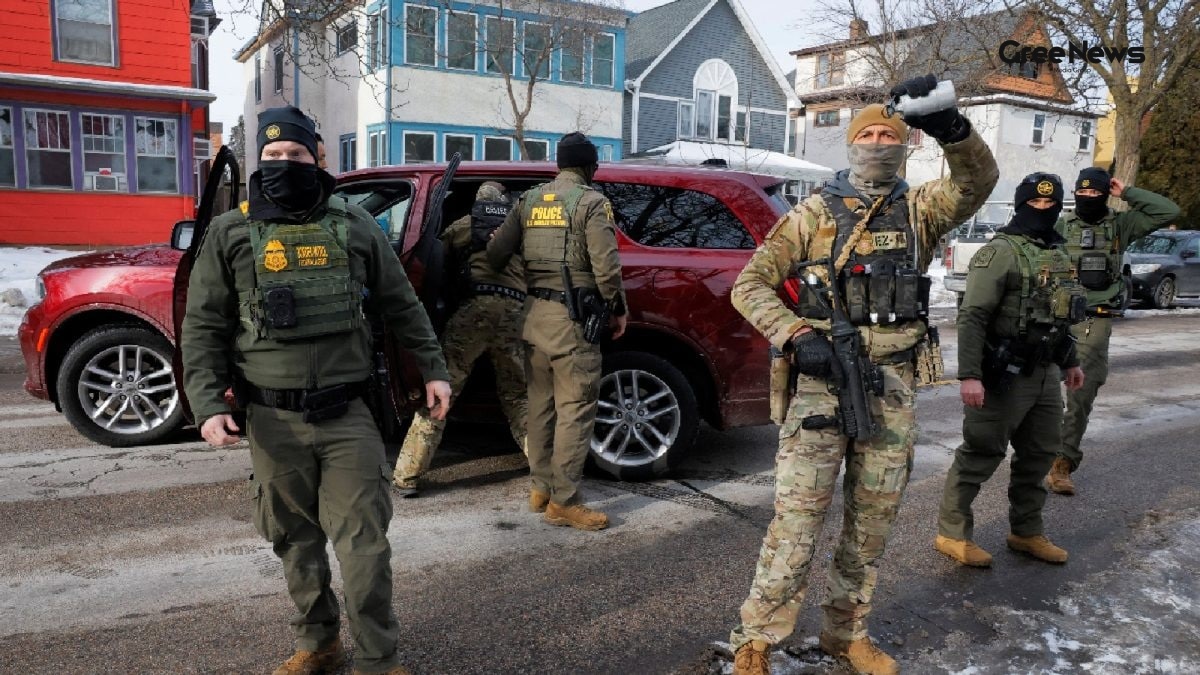
From tighter tourist vetting to expanded high‑altitude patrols, Kashmir’s security grid has recalibrated after the Baisaran attack.
Honestly, the first time I heard about the Baisaran tragedy, I was on a tea stall in Srinagar, scrolling through the latest news India updates on my phone. The headlines screamed breaking news, and the whole valley seemed to hold its breath. A year after that dreadful day, the atmosphere in Pahalgam feels noticeably different not just because of the lingering memories, but because the security machinery has gone through a massive overhaul. I’ve spoken to a few locals, taken a few short treks, and watched the changes happen right in front of my eyes. So, what exactly has changed, and what lessons have we learned?
Security audits before opening “grammable” tourist destinations
When the attack happened, the survivors at Baisaran told me they felt completely abandoned. There was barely any police presence, no patrols, just empty benches and silent trees. It was an unprecedented event Kashmir had never seen a large‑scale strike on tourists before. In the rush to bring back “normalcy”, places like Sinthan Top, Doodhpathri and Boota Pathri were opened wide for solo travellers and adventure junkies chasing the perfect Insta shot.
Fast forward a year, and you’ll notice Baisaran itself remains closed. Even though many of the other spots that were shuttered after the attack have opened again, the authorities have learned a hard lesson: no destination can be opened without a thorough security audit. In Pahalgam, the popular hub Chandanwari is still off‑limits, movement is restricted in Gulmarg, and Doodhpathri is marked as out of bounds for now.
Omar Abdullah, the chief minister of the union territory, is constantly urging the tourism board to revive the valley’s lifelines. But the security grid appears determined not to rush anything every new opening now has to pass a full‑scale audit, and the phrase “no haste, no waste” is being whispered in every briefing room.
From my own experience, a friend who runs a small homestay in Pahalgam told me that the new vetting process feels a bit like a school exam for every taxi driver, pony‑wallah and hotel owner. They have to present ID cards, undergo background checks and, most importantly, get a QR code that confirms they are clean in the eyes of the police.
Area domination in high‑altitude zones
Historically, security focus in Kashmir was centred on highways and urban centres. Mobile bunkers, army outposts and CRPF checkpoints dotted the old cities, and after the Pulwama episode, stopping traffic for convoy checks became part of the standard operating procedure. But the Baisaran attack showed that terrorists could simply slip into the high‑altitude hills, using natural caves in PoonchRajouri or abandoned dhoks in Anantnag and Tral as hide‑outs.
In response, the security forces have shifted their eyes upward. More than forty temporary operating bases have been erected by CRPF forces along the upper ridges of the Pir Panjal range. Even during the harsh snow‑bound winter months, patrols continue, a fact that surprised many locals who used to think the hills were a safe‑haven during the cold season. The presence of these mobile units has made it harder for Lashkar terrorists to hide. I once rode a jeep with a CRPF patrol near the Dachigam forest, and the soldiers were checking every possible shelter, from the tiniest rock crevices to the larger dhoks used by Gujjar‑Bakarwal herders.
This proactive domination of the high‑altitude zones is now a core part of the security playbook. It has turned the mountains from a potential hide‑out into a monitored arena, and that shift is evident every time a patrol helicopter buzzes over the peaks.
Tech‑led security shift on the ground
Before the tragedy, checking the background of locals, issuing ID cards and manually verifying pony‑operators were routine tasks. After Baisaran, technology has taken centre stage. QR‑code based identification is now mandatory for anyone providing services to tourists. When I booked a ride from a local driver in Pahalgam, I could scan his QR code on my phone to see if there were any pending police cases against him. It felt a bit futuristic, yet reassuring.
The NIA investigation uncovered the involvement of two locals Parvaiz Ahmad and Bashir Ahmad who had harboured the three terrorists in their house. Instead of alerting the authorities, they guided the terrorists away and even helped the tourists get away from the danger zone, showing how crucial the human element is. Today, facial‑recognition cameras are installed at key checkpoints, and while privacy concerns have sparked debates, most locals aGree that safety comes first when tourism is a major livelihood.
One surprising find during the investigation was a Chinese‑made phone recovered from the attack site. It is suspected that the device helped the terrorists navigate the forest and stay in touch with handlers across the border. Moreover, recent alerts have warned about Chinese‑origin CCTV systems that could potentially stream footage to Pakistan. Though no direct link to the current operation has been proven, security experts say that monitoring the source of hardware has become an urgent part of the intelligence gathering process.
Perhaps the biggest takeaway is the blend of human intelligence with cutting‑edge tech. Operation Mahadev, which finally neutralised the three Baisaran terrorists in the Dachigam forest, combined local informants, drone surveillance and real‑time data analytics. The operation showed how the “human‑tech partnership” can close the gaps that previously let insurgents slip through.
Looking ahead challenges and hopes
While Operation Sindoor managed to damage Lashkar and Jaish launch pads, the underlying issue of infiltration remains the elephant in the room. Terrorists continue to cross the border with assistance from sympathisers on the ground, and the security grid must keep tightening its nets.
The two biggest challenges that need urgent answers are: stopping infiltration at the border and curbing the domestic support that foreign terrorist groups sometimes find after they step onto Indian soil. The Kashmir valley, with its dense forests and rugged terrain, has always been a double‑edged sword beautiful for tourists, yet potentially exploitable for militants.
From a personal viewpoint, I feel hopeful. The changes we are witnessing from stricter vetting to drones humming over the snow‑capped ridges signal a new era of vigilance. If the authorities keep listening to local voices and continue to blend technology with ground‑level intelligence, the future of tourism in Kashmir could be both safe and thriving.
Many people were surprised to see how quickly the security apparatus adapted after the attack. It caught people’s attention when a local guide told me about the QR codes on every pony‑wallah’s saddle. The story went viral on social media, becoming part of the trending news India conversation. And that is exactly what we need awareness, community participation and a collective drive to keep the valley’s beautiful spots secure for everyone.