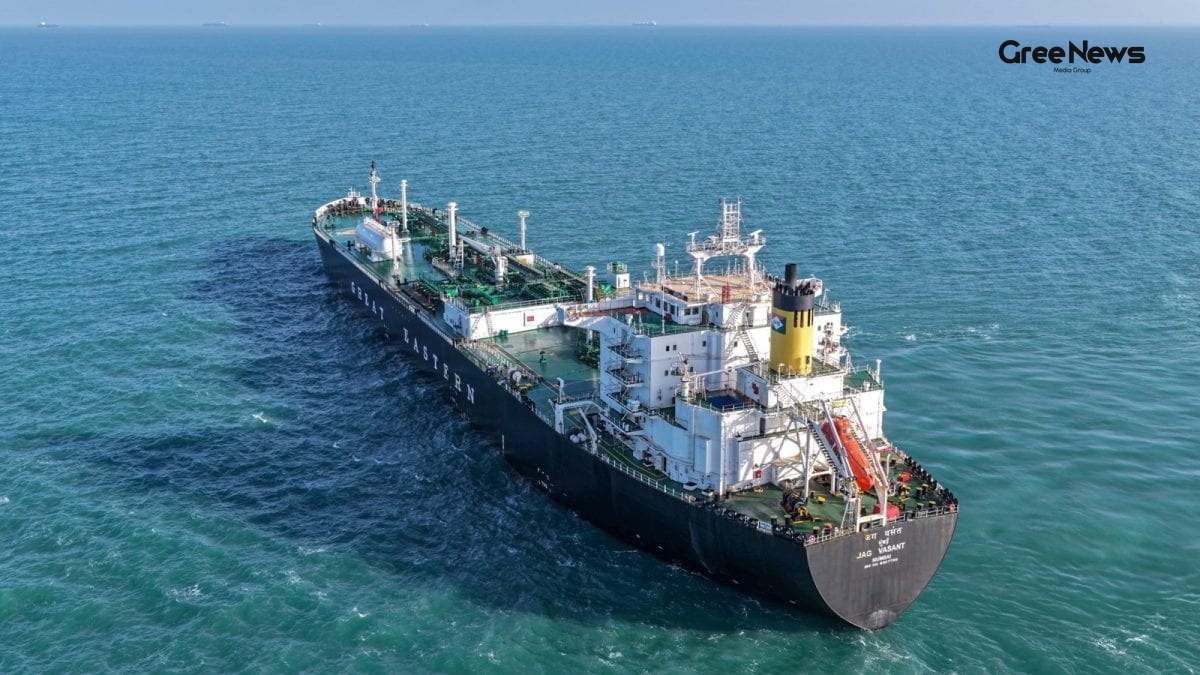
Why the Strait of Hormuz is a big deal for India
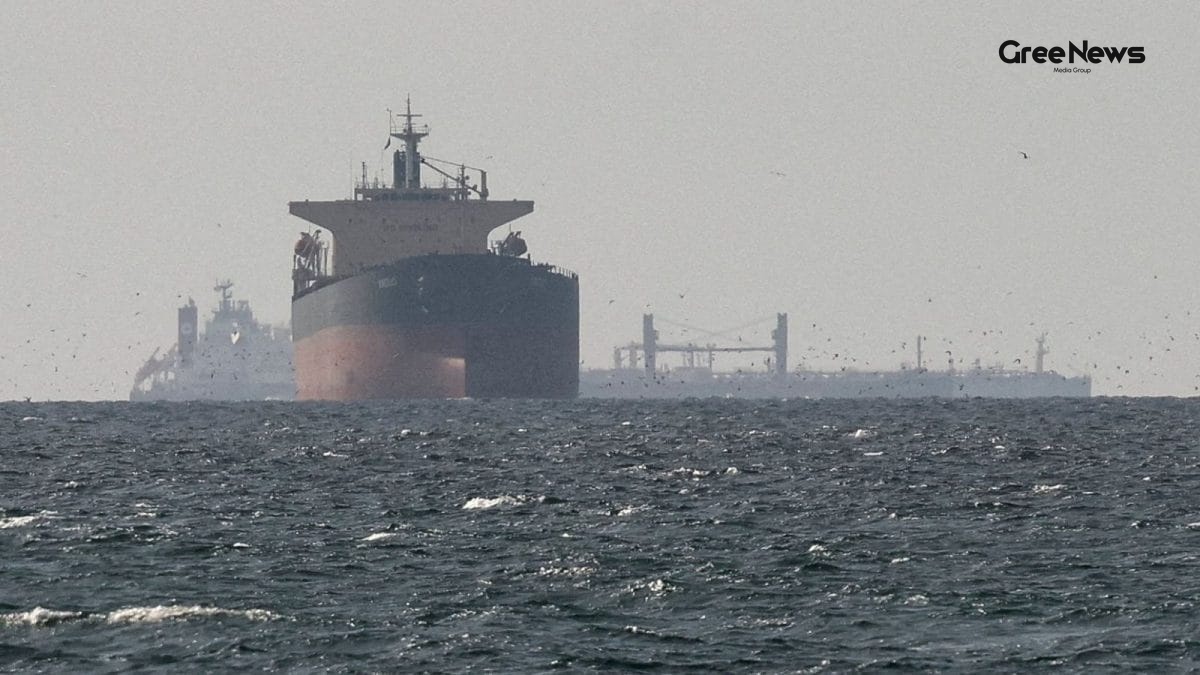
Honestly, I never gave much thought to a narrow waterway halfway across the world until I started hearing breaking news about it on the TV. The Strait of Hormuz is not just a geographical pin‑point; it’s the main highway for about 20% of the planet’s oil and a massive chunk of LPG. That means every time a tanker tries to slip through, a ripple is felt all the way to the fuel stations in Delhi or the LPG cylinders we use at home in Mumbai.
India imports most of its crude oil from Gulf nations the likes of Saudi Arabia, the UAE, Iraq and Qatar. Likewise, a huge portion of the LPG we light our stoves with comes via the same Gulf routes. So, when the Strait of Hormuz became effectively impassable on a chilly February morning, it felt like a direct hit to the heart of our energy supply chain. I could see the anxiety rise on social media, especially in trending news India feeds, where users were posting memes about fuel bills soaring higher than ever.
In most cases, a blockage like this forces shipping companies to take an alternate route literally sailing around the Arabian Peninsula and the Cape of Good Hope. That adds weeks to the journey, and guess what? Those extra days don’t come free. Freight charges shoot up, insurance premiums climb, and all those costs eventually get passed on to the end consumer. The whole scenario turned into a perfect storm of price hikes and supply worries, something that instantly became viral news among Indian households.
How the closure affected everyday Indian life
When the Strait of Hormuz got shut, the first thing I noticed was the chatter at my local chai stall. Regulars were debating whether the price of cooking gas would spike again. Some of them mentioned that they had received messages from their LPG distributors about possible delays. It turned out that the ships carrying LPG from Qatar and the UAE faced the same rerouting problem, and that translated to longer waiting times for cylinder refills.
For a country as large as ours, where millions of families depend on LPG for daily meals, any hiccup in the supply chain can feel personal. I remembered my own family’s experience we had to call our LPG dealer twice in a week because the cylinder that was supposed to arrive on Wednesday was postponed. The dealer explained that the delay was because the tanker had to go the longer way around Africa, which added both time and fuel costs.
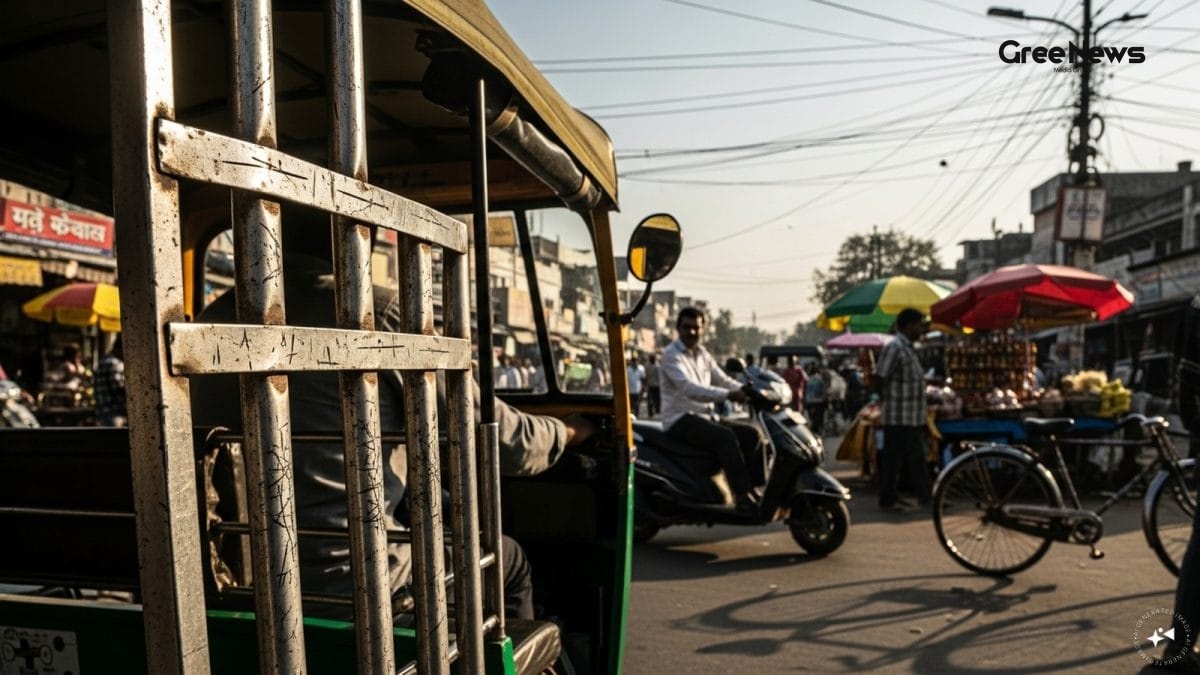
Beyond household LPG, the closure also nudged the price of petrol and diesel. Shipping companies raised freight rates, and those extra expenses trickled down to refiners. In my neighborhood, I noticed a few more people using two‑wheelers that run on CNG instead of petrol, perhaps trying to dodge the rising prices. Even the auto‑rickshaw drivers were whispering about the impact when they refuelled.
What really caught people’s attention was the surge in freight charges. I was scrolling through a business news portal that was covering the latest news India about the situation, and the numbers were striking freight costs for a barrel of oil had jumped by over 30% during the blockage. For Indian importers, especially smaller traders who operate on thin margins, that was a heavy blow.
Insurance costs, too, went up. Ships navigating a riskier route demanded higher premiums, and insurers passed those charges onto shipping firms. In many cases, the added insurance premium added another layer of cost that never really disappears it stays embedded in the price of the oil when it finally reaches Indian ports.
What the reopening means for India’s energy bills
Fast forward to the day Iran announced that the Strait of Hormuz was open again it felt like a sigh of relief that traveled from the Ministry of Petroleum all the way to my kitchen table. The immediate expectation among analysts, and a lot of us following the trending news India, was that shipping routes could finally go back to the shorter, more efficient path. Shorter routes mean less fuel consumption for the vessels, which in turn means lower freight charges.
From an Indian perspective, the domino effect is fairly simple: lower freight rates lead to lower overall import costs, which should reflect in marginally lower domestic fuel prices. I read a few comments in a popular Indian forum where users were saying, “if the oil price falls even a little, my daily commute won’t be as painful.” That optimism is exactly the kind of sentiment that keeps the market hopeful.
Moreover, the reopening restores flexibility for Indian importers. Before the blockage, many traders were forced to rely heavily on a few Gulf suppliers that could still deliver, often at a premium. Now that the waterway is back, they can go back to negotiating with a broader pool of suppliers, potentially squeezing better deals. This competitive edge is something that will eventually benefit us, the end consumers, because lower procurement costs translate into modest price drops at fuel stations.
One interesting observation I made was that the insurance market also seemed to calm down. With ships no longer having to brave the longer, riskier routes, insurers trimmed down the premium hikes they had imposed during the crisis. This, again, contributes to reducing the overall cost structure for oil imports.
In most cases, the price adjustments won’t be instant. The market needs a few weeks to fully absorb the new shipping dynamics, but the direction is clear: the reopening of the Strait of Hormuz is a positive signal for the Indian energy sector. It means that the next time we see an update about fuel price fluctuations, we’ll have a better context the bottleneck that caused the spike is now gone.
Personal takeaways and what to watch for next
Having lived through the whole episode, I can say that the experience taught me a few things about how interconnected our world really is. A geopolitical jolt in a waterway half a world away can end up influencing the price I pay for the cylinder my mother uses to make dal. That’s a stark reminder of the kind of breaking news that matters beyond the headlines.
Going forward, I’ll be keeping an eye on a few indicators: the freight rates quoted by major shipping lines, insurance premium trends for the region, and of course any new statements from the Ministry of Petroleum about import strategies. All of these will show up in the latest news India feeds and, more importantly, will shape the everyday reality for millions of Indians.
At the end of the day, the Strait of Hormuz isn’t just a line on the map; it’s a lifeline for our energy needs. Its reopening is a piece of good news that gives us a breather, especially after weeks of worrying about rising fuel bills. If you’re like me and keep a close watch on the India updates that affect your pocket, this development is definitely worth noting.
So, the next time you hear a trending news India story about oil prices stabilising, remember the journey that the oil took from the Gulf, across the now‑open Strait of Hormuz, onto Indian shores, and finally into your vehicle’s tank or your kitchen’s stove. It’s a long road, and every smooth passage makes a difference for us.