From a cloudburst to a terror attack how the day unfolded
It was just after dawn, around 6 am, when I loaded my bag, checked my camera batteries and set off for Ramban district in the Jammu region. The mission was simple: capture the devastation caused by a sudden cloudburst that had turned the Srinagar‑Jammu National Highway into a mess of landslides and broken bridges. I’d heard on the radio that the road had literally disappeared in places a not‑so‑rare story in the hilly terrain, but still a massive hit for the locals who depend on that highway for everything from school runs to market trips.
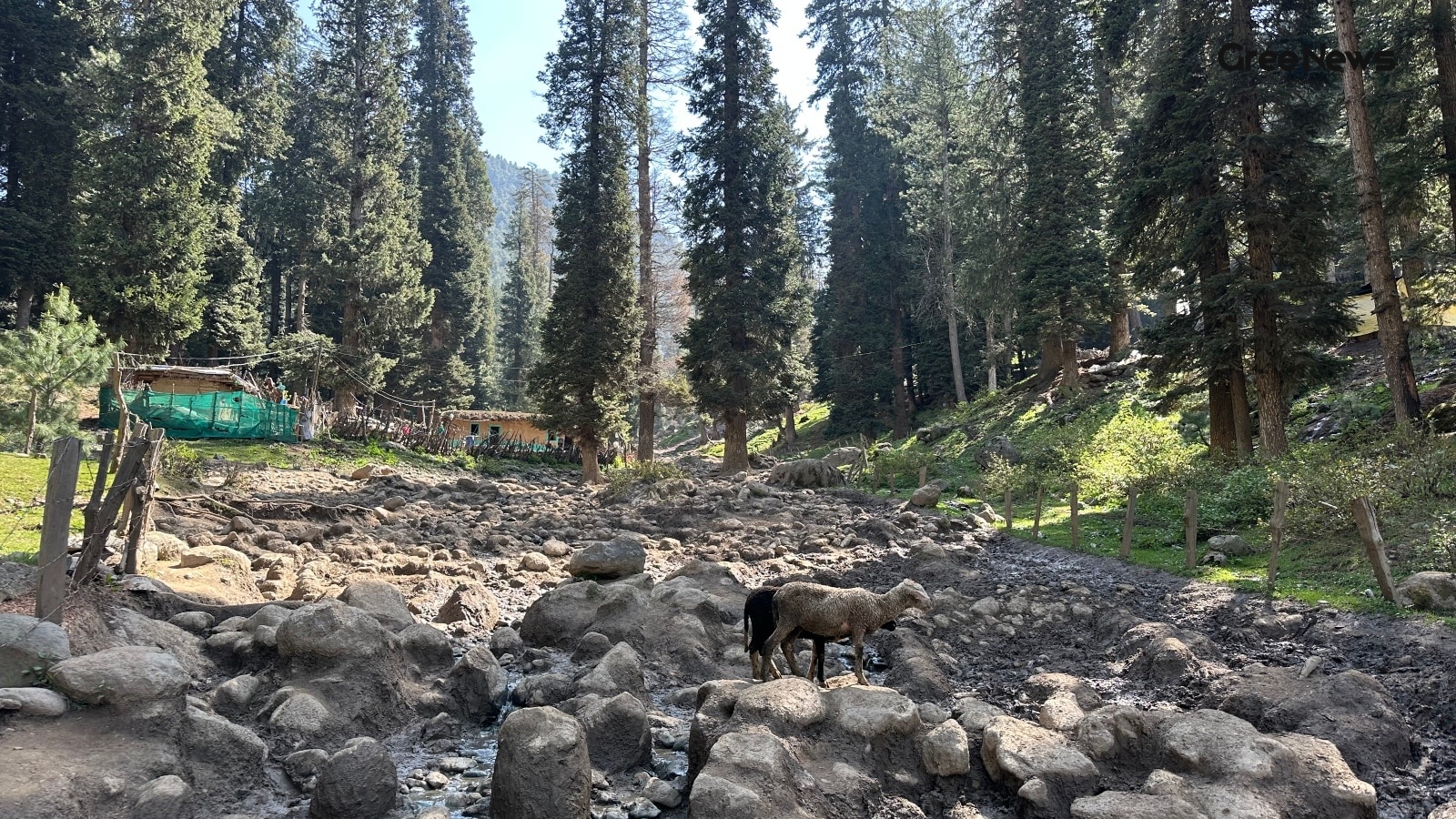
What I didn’t expect was how the journey itself would become a story. It took me four grueling hours to finally reach the worst‑hit village, and by then I’d already walked over a kilometre on a muddy path that felt like a trek in the Himalayas. The air was thick with the smell of wet earth and pine, and the clouds hung low, as if the sky itself was sighing.
While I was setting up my tripod near a collapsed road, I noticed a convoy of police vehicles and, to my surprise, a car with the state insignia. It turned out that Chief Minister Omar Abdullah had arrived on the scene. I managed to snag a brief one‑on‑one camera interview with him. He talked about global warming and how the Himalayan region of Jammu and Kashmir is increasingly bearing the brunt of climate change. It felt like a classic "latest news India" moment a political figure put on the spot by a journalist.
Neither Omar Abdullah nor I had any inkling that later that day a totally different kind of news would break. After his brief visit, he headed back to Jammu, and I, along with my crew, grabbed a quick lunch at a small market stall a plate of steaming momos that tasted even better because of the adrenaline. We then started the slow walk back to the last motorable point where our vehicle was parked.
My phone buzzed constantly. I was trying to reach my usual sources for updates, but most of them were either silent or gave vague replies. “Something big is happening,” one text said, but didn’t say what. The silence was eerie you could feel the tension building, like when you hear a soft thud in a quiet house.
Then the office line lit up with calls. Officials confirmed that tourists had been attacked in Pahalgam, but the exact numbers were still unclear. It was classic breaking news the kind that makes you jump out of your chair and check every notification.
We hit the road again, this time at a frantic pace, speeding through the still‑clogged highways. The journey to Pahalgam felt like a race against time. By the time we entered the town, the streets were blocked, and a thick haze of dust and panic hung in the air.
The scene at Pahalgam hospital
Our first stop was the small government hospital in Pahalgam. It was packed not just with the injured but also with families screaming for information, some clutching muddy clothes, others holding tiny children who didn’t understand why the world suddenly became so scary.
Walking through the corridors, I saw stretchers lined up like a row of broken toys. Doctors and nurses, usually used to treating minor injuries from trekking accidents, were now dealing with gunshot wounds and severe trauma. The air was heavy with antiseptic and the metallic smell of blood. I could feel my heart race; even after covering floods, riots, and elections, this scene stopped me in my tracks.
Security officials were constantly moving in and out, shouting instructions in Hindi, Urdu and Kashmiri. I tried to stay low, respect the grief, and still manage to get a few shots for the office. A sudden wave of ambulances arrived, each bringing more victims, each honking a desperate anthem of urgency.
After a while, we were asked to leave the premises the hospital needed space for more patients. From the outside, I watched coffins being loaded onto trucks, one after another. It felt like a war zone, and I realised how fragile life could be, especially in places that usually see tourists snapping selfies against snow‑capped peaks.
As the sun dipped, a cold wind rushed through the valley, and the entire town of Pahalgam fell into an uneasy quiet. The only sounds were distant sirens and the occasional muffled sob. I was starving, but my stomach had gone quiet. I didn’t eat anything that night the adrenaline made food feel unnecessary.
Night on the Baisaran road
The night was weird. Ambulances kept queuing outside a popular Punjabi eatery in the market. The shop’s neon sign blinked, but the rest of the streets were deserted. The usual hustle of tourists buying shawls or sipping chai was gone. I stood there, watching, feeling a mix of fatigue and disbelief.
Army, police and CRPF vehicles moved like a convoy of iron beasts up and down Baisaran road the road that runs opposite the hospital. No one really knew what would happen next: would there be a full‑blown clash, or would this stay a limited skirmish? The uncertainty made the night feel longer than any long‑haul bus ride from Delhi to Mumbai.
Sleep was a distant memory. We managed barely two hours of restless dozing on the bus seat, our minds replaying every image of the day the broken highway, the tear‑stained faces, the muffled radio reports of “breaking news”. The next morning, before the first light of dawn, I was already up, ready to head back to Baisaran road for a closer look.
Back to Baisaran a trek through mud and memory
At around 5 am, after a few stolen naps, a journalist friend messaged that the muddy pony track used by tourists was still open, while the main road remained blocked. Without a second thought, we loaded our gear and started the trek.
The walk was treacherous loose stones, deep puddles, and patches of snow that turned the path slippery. I kept moving fast; in our line of work, speed can be the difference between getting the story and missing it entirely. After about an hour of slogging, I finally reached the Baisaran valley gate, which was heavily guarded.
Standing at the entrance, I could see the valley spread out like a postcard of Switzerland snow‑capped peaks, pine trees, and the meadow that tourists usually flock to for Instagram reels. But now, the scene was dominated by security forces, ropes, and a palpable tension. The entire bowl‑shaped valley was under a massive hunt for the attackers.
While I waited for permission to enter, I sent a few dispatches to the newsroom using my phone the signal was weak, the internet slow, but the urgency kept me typing. Soon, a guard nodded, and I was allowed inside. The valley that had become a viral news piece a few hours earlier now felt like a silent theater of loss.
Scattered plastic chairs from a nearby eatery lay broken. Tourists’ bags, shoes, and even colourful scarves were abandoned in panic, strewn across the meadow like forgotten souvenirs. The sight was heartbreaking people had left behind their cherished belongings, the very symbols of the joy they’d come to experience.
My throat was dry, and there was no water in sight. The whole trek had drained me, but the emotional exhaustion was heavier. I tried to imagine the terror those survivors felt as they fled across this same meadow, hearing gunshots echoing off the mountains.
Return to Pahalgam and the aftermath
When I finally made my way back to Pahalgam, the market was empty. A few locals stood in small groups, whispering, their faces mixed with grief and anger. Tourists had fled, some taking early flights back to Delhi or Mumbai, others still trying to piece together what had happened.
Local shop owners, who usually sell Kashmiri shawls and walnut oil, were now lining up to close their stalls early. The usual chatter about the best trout to catch at the Lidder River was replaced by hushed prayers. The valley that had been the setting for countless Bollywood songs “Yeh Dil Hai ...” and “Kashmir’s own haseen saaz” now stood silent for months.
Even a year later, when I returned for a follow‑up piece, the town buzzed with visitors again, but the memory of that night lingered. The local people still speak of the loss, and the date of the attack remains a sombre reminder. It’s a story that continues to appear in trending news India, especially when discussions on security and tourism intersect.
Reflection why this story matters
Looking back, that 48‑hour sprint taught me a lot about the unpredictable nature of news reporting in India. One moment you’re covering a natural disaster something that’s become almost routine in the Himalayas and the next you’re thrust into a terror scenario that dominates breaking news.
The experience also highlighted how climate change is not just a distant concept; it directly affects our roads, our villages, and even the speed at which we can respond to emergencies. The cloudburst in Ramban why the highway was crippled showed the physical challenges, while the terror attack in Pahalgam revealed the human cost.
For anyone reading the latest news India feed, it’s a reminder that behind each headline there are people journalists scrambling for facts, officials trying to keep calm, and ordinary citizens who must rebuild their lives.
And if you’re wondering why we keep talking about this in the context of India updates, it’s because stories like these shape our collective memory. They become part of the narrative we share, whether it’s on TV, in newspapers, or on social media where the story went viral. The mix of natural disaster and human‑made tragedy made it a unique case that kept the nation’s attention for weeks.
So, whenever you see something labeled as “trending news India”, remember there’s often a deeper, on‑ground reality a reality that I was fortunate or perhaps unlucky to witness first‑hand. And that’s why I keep my notebook ready, my boots sturdy, and my curiosity alive, because you never know when the next cloudburst or breaking news will knock on your door.