First Impressions: A Quiet Start to a Busy Day
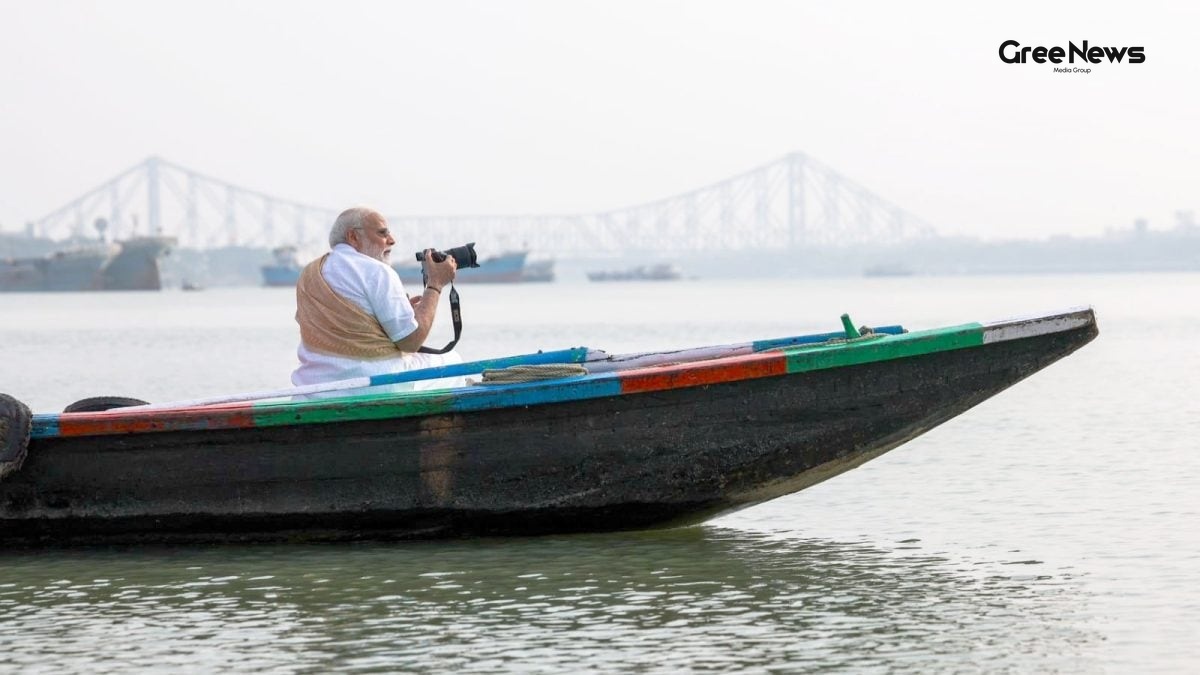
Honestly, when I first saw the video of Prime Minister Narendra Modi stepping onto that little boat in Kolkata, it felt like watching a friend just out for an early morning stroll by the river. The camera was rolling, but there was no fanfare no big crowds, no loud slogans, just the gentle splash of water and a few curious onlookers on the ghats. He was wearing a casually draped shawl, his pace unhurried, and he seemed genuinely absorbed in the calm of the Ganga. It was the kind of scene that makes you pause and think, "what's the story behind this?" and indeed, this caught people's attention across the country as the moment quickly turned into breaking news.
What struck me was how natural the whole thing felt. He took a few photographs, smiled at the boatman, and even folded his hands in pranam for the people gathered along the terrace. It was simple, yet there was an undercurrent of symbolism that many began to dissect in the hours that followed.
Why the Ganga, Why Kolkata?
Now, you might wonder why a prime minister would choose a river ride in Kolkata, especially when the election fever is heating up. The Ganga, of course, is a river of massive religious significance across India a constant presence in the latest news India feeds. But in Bengal, the river carries a softer, more layered meaning. It’s less about bold Hindutva narratives and more about everyday spirituality that weaves into the cultural fabric of the state.
For the Bengali bhadralok, the river is a backdrop to countless stories, songs and novels. Think of the lyrical mood in Salil Chowdhury’s "He Majhi Re" or the gritty realism of Manik Bandopadhyay’s "Padma Nadir Majhi". Even Bankim Chandra Chattopadhyay used river journeys in "Devi Chaudhurani" to anchor his storytelling. Those references are not just literary footnotes; they live in the collective memory of every person who has ever watched a boat glide by the Howrah Bridge while sipping chai on a balcony.
When Prime Minister Narendra Modi chose this very setting, it resonated with that cultural memory. It felt less like a political stunt and more like a scene lifted straight out of a Bengali novel. Many people were surprised by this subtlety, noting that the visual aligned perfectly with trending news India narratives about cultural sensitivity.
The Boat Choice: Small, Traditional, and Intimate
Let’s talk about the boat itself. In Varanasi, we’ve seen Prime Minister Narendra Modi on a larger motorised vessel, decked out with all the trimmings. This time, however, he went for a tiny, traditional boat rowed by a local boatman. It was almost as if he wanted to step into the everyday life of a Bengali fisherman, making the moment feel grounded and almost intimate.
That choice has a lot of weight. By opting for a modest boat, he avoided the glossy sheen of a political parade and instead embraced the humble vessel that features in countless Bengali songs. The ektaraa, a single‑stringed instrument associated with Baul folk music, can be heard faintly in the background of the video released later. That musical cue added another layer of cultural reference, turning the whole scene into something that feels like a living piece of heritage rather than a manufactured political message.
In most cases, political leaders use grand settings to amplify their presence. Here, the subtlety made the moment feel more personal, and that’s exactly what many social media users were talking about when this became viral news. The narrative wasn’t about power, it was about connection.
Timing and the Election Context
With the West Bengal polls just a few days away, every visual detail started to matter. The images of Prime Minister Narendra Modi on the riverbank, the Howrah Bridge looming large, and the calm water beneath the boat all of this became fodder for discussions across WhatsApp groups, Twitter threads and even in family kitchens. The timing added a sense of urgency to the story, making it a hot piece of trending news India across platforms.
People started to wonder: was this an attempt to win over the bhadralok, the educated middle‑class, by speaking their cultural language? Many political analysts argued that the prime minister’s team was careful to avoid overtly polarising symbols, choosing instead a setting that feels familiar and comforting to the Bengal audience.
And that’s where the power of subtlety lies. In a state that prides itself on self‑awareness, the most effective political messaging often looks like a casual river ride rather than a glossy campaign ad. This insight turned the episode into a case study for political marketers, becoming part of the broader India updates that are now dissected in university classrooms.
Public Reaction: From Curiosity to Conversation
On the streets of Kolkata, you could hear folks chatting about the boat ride over tea. One elderly woman at a roadside stall said, "He looks like any of us, walking slowly, Greeting the boatman. It’s different from the usual pomp." A young student at a café in Salt Lake added, "The ektaraa song in the background reminded me of my grandmother’s Baul collection. It felt personal, not political."
Meanwhile, across the internet, the clip was shared thousands of times, each share sparking a new comment. Some praised the gesture as a genuine attempt to connect with Bengali culture; others speculated that it was a carefully rehearsed scene meant to win hearts before the poll. This split in opinion turned the footage into viral news, with memes, parodies, and even a few YouTube reaction videos that collectively racked up millions of views.
One thing was clear: the moment resonated deeply, whether people liked it or not. Many people were surprised by how a simple boat ride could generate such a whirlwind of discussion, turning what could have been a routine photo‑op into a lasting piece of cultural dialogue.
Deeper Cultural Layers: Music, Literature, and Memory
Let’s dive a little deeper into those cultural layers. The background score in the released video features the ektaraa, an instrument that’s almost synonymous with Baul philosophy a tradition that celebrates freedom, love and the simple joys of life. When you hear that sweet, slightly twangy sound, you instantly think of the wandering mystics of Bengal, which ties in neatly with the image of the prime minister on a modest boat, navigating the same waters that have inspired poets for centuries.
In literature, the river has always been a metaphor for life's journey. "Padma Nadir Majhi" tells the story of a boatman fighting against the currents of fate, while "He Majhi Re" sings of the same perseverance. By placing himself in this mythic setting, Prime Minister Narendra Modi was, perhaps unconsciously, aligning his own political narrative with those timeless stories a move that many cultural commentators noted as a clever piece of visual storytelling.
For many Bengalis, these references are not just academic; they are lived experiences. You’ll find references to the Ganga and to boatmen in everyday conversations, in songs played at weddings, and even in school textbooks. That's why the boat ride felt so “right” to the local audience it was as if a piece of the collective imagination had finally materialised on screen.
What Does This Mean for Future Campaigns?
Looking ahead, this episode could set a new template for political outreach in culturally rich states like West Bengal. The lesson seems simple: speak the language people already love. Use symbols that are already embedded in their daily lives, and do it with a level of humility that feels genuine.
In most cases, campaigns rely on big rallies, fireworks and slogans. But as the reaction to this boat ride shows, sometimes a quieter, more nuanced approach can be far more effective. The prime minister’s subtle gestures the unhurried pace, the casual shawl, the simple Greeting all painted a picture of someone who respects the local culture, rather than trying to dominate it.
For political strategists, this could serve as a case study on how to blend tradition with modern campaigning, especially as the nation continues to consume trending news India stories at a breakneck speed. The next big election might see more leaders opting for similar low‑key cultural engagements, because the audience now knows to look beyond the surface and read between the lines.
Final Thoughts: A Moment That Still Echoes
At the end of the day, what stayed with me was the feeling that Prime Minister Narendra Modi’s boat ride was less about staging and more about listening listening to the river’s hum, to the cultural rhythm of Bengal, and to the silent hopes of its people. It reminded me of how a simple act, when done with the right intention, can become a piece of viral news that sparks conversation across the country.
Whether you see it as a masterstroke of political branding or a genuine attempt to connect, one thing is clear: the images have become a part of the India updates that will be remembered for a long time. They show that even in the high‑octane world of politics, there’s still room for quiet gestures that speak louder than words.
So, the next time you hear about a leader visiting a state, keep an eye out for those subtle cultural cues. They might just be the most powerful part of the story.