The West Bengal 2026 election is shaping up to be far more competitive than 2021 when the BJP first established itself as a serious contender in the state.
Honestly, when I first heard about the record turnout numbers, I couldn’t help but feel a little jittery. It was like watching a big cricket final where the whole stadium is buzzing, you know? The first phase of the West Bengal Assembly elections wrapped up with a turnout that blew past the 2021 figures, and the whole thing started trending on my WhatsApp groups as one of the breaking news items of the week.
Now, the real drama isn’t just about how many people showed up it’s about who’s actually pulling ahead. Both the Bharatiya Janata Party and the Trinamool Congress keep saying they have the edge, but there’s an informal betting network called Phalodi Satta Bazar that’s been making some bold predictions. Their numbers suggest the contest might be deeper than anyone imagined.
Phalodi Satta Bazar’s Seat Projections
According to the latest projections from Phalodi Satta Bazar, the Mamata Banerjee‑led TMC is expected to win somewhere between 158 and 161 seats out of the 294‑member Assembly. The BJP, on the other hand, could bag around 127 to 130 seats. That’s a massive swing from the 2021 scenario where the gap between the two was over 130 seats.
What’s really interesting (and what caught my attention) is that these predictions come right after the first phase, when voter enthusiasm seemed to reach a fever pitch. Many friends told me that the polling booths were jam‑packed from the early morning till after sunset, and the handshake between ballot boxes and voters was nothing short of a festival.
Record Turnout in Phase 1 A Sign of Changing Times?
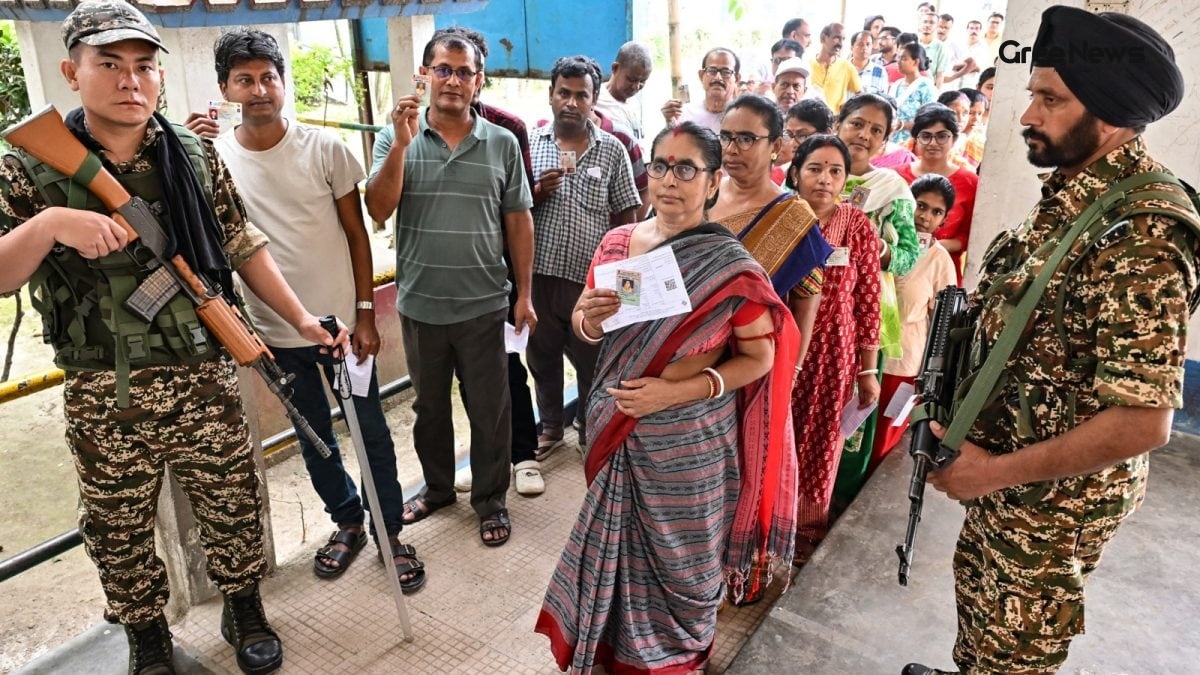
Phase 1 of the 2026 elections, covering 152 constituencies, recorded a turnout of about 92.88%. That’s the highest ever in the state’s history. For context, the overall turnout in the 2021 Assembly elections was about 82.3%. The jump is not just a number; it’s a signal that the people of West Bengal are more mobilised than ever before.
When I was standing in a polling station in Kolkata, I could see a mix of first‑time voters and seasoned ones, all wearing masks, all clutching their voter slips. A lot of them told me they felt it was a duty, especially after the political turbulence of the last few years. This heightened participation could be the reason why the gap between the two major parties looks narrower now.
Even though we don’t have a direct constituency‑wise comparison just yet, early trends hint that most seats have seen a sharp rise in turnout compared to 2021. In many places, the turnout has jumped by ten to fifteen percentage points. That kind of surge often translates into unpredictable vote swings, something that political analysts love to watch.
Looking Back at 2021 The Baseline
In the previous Assembly elections, the TMC secured 216 seats with about 48% of the vote share, while the BJP managed 77 seats with around 38% vote share. The Congress‑Left alliance scrapped just a single seat and hovered around a ten percent vote share. In those days, the gap between the two frontrunners was comfortably over 130 seats.
What happened next is interesting: the betting market after this first phase of polling suggests the gap could shrink dramatically, perhaps to just thirty seats. That’s the sort of shift that would make headlines across the country, especially in the trending news India feeds where political analysts constantly debate the next big upset.
Historically, West Bengal has seen spikes in voter participation that sometimes coincide with political realignments. Some scholars argue that when more people come out to vote, previously marginalised groups get a louder voice, potentially reshaping the political map.
What the Betting Market Tells Us
The projections from Phalodi Satta Bazar are not based on scientific sampling. They rely on betting patterns, market perceptions, and the flow of money in the informal betting circles. In most cases, these numbers act like a barometer of public sentiment they’re not perfect, but they give a flavor of where people think the wind is blowing.
Many of my acquaintances who follow politics for fun told me that the betting market has often been a good early indicator of trends, especially in states where official polling data comes late. However, it’s worth noting that the betting market operates in a grey zone legally, and its forecasts should be taken with a pinch of salt.
Even so, the current projections line up with the analysis of several political commentators who now see a largely bipolar contest a showdown mainly between TMC and BJP, with other parties playing a marginal role.
Caution: Betting Numbers Aren’t Official Polls
Before we get carried away, a word of caution: Phalodi Satta Bazar is not an official polling agency. Its estimates emerge from betting activity rather than rigorous fieldwork. While the numbers are interesting and have generated a lot of chatter on social media, they should not be treated as definitive.
For instance, the latest news India portals are already publishing stories about the betting market’s predictions, but most also emphasise that the Election Commission’s official results will be the final word. In other words, treat these figures as a possible scenario, not a certainty.
Many people were surprised by how quickly the betting market shifted its odds after the first phase. The swing in the market’s confidence towards the BJP suggests that the party might have gained ground in certain high‑turnout areas, but we’ll only know the real picture once the counting finishes.
Why This Election Matters for India
West Bengal is a heavyweight in Indian politics it’s the most populous state and its 294‑seat Assembly holds significant sway. A tighter race here could reshape the national narrative, especially as the BJP aims to expand its footprint beyond its traditional strongholds.
From an observer’s standpoint, the high voter turnout is a great sign for democracy. It shows that citizens are engaged and that political campaigns are resonating with a broader audience. Many of my relatives in Siliguri told me they felt an urgency to vote, mostly because they believed their vote could tip the balance in a state that has traditionally leaned heavily towards one party.
When you combine that enthusiasm with the headline‑grabbing figures from the betting market, you get a story that fits right into the viral news category something that people across India are talking about, sharing, and debating.
What Could Happen Next?
Now, here’s a thought: if the BJP does manage to close the gap as the betting market suggests, the next few weeks will be packed with intense campaigns, rallies, and perhaps a flurry of last‑minute alliances. That’s the kind of drama that keeps political junkies up at night.
On the other hand, if the TMC holds onto its advantage, we might see a continuation of the policies that have shaped West Bengal for the past decade, which could mean steady economic growth in certain sectors but also continued political friction at the centre.
Whatever the outcome, the story is far from over. The next phases of voting, the counting process, and the post‑election analyses will all feed into the trending news India cycle, making it a topic of conversation in every tea stall and office corridor.
Final Thoughts A Personal Take
Honestly, watching the numbers roll in feels a bit like waiting for the final innings of a test match. You’ve seen the first day’s play, the crowds are out in full, and now the real tension builds. I enjoy dissecting these figures because they give a glimpse into how the people of West Bengal feel about their future.
If you’re following the India updates stream, you’ll notice that West Bengal’s election is being quoted repeatedly across news portals, social media, and even in casual conversations at local markets. It’s a clear sign that this election is not just a regional event; it’s part of the larger tapestry of Indian politics that everyone is keeping an eye on.
So, stay tuned, keep checking the news, and maybe place a friendly wager with your mates just remember that the only reliable source will be the official results once they’re announced. Until then, enjoy the excitement, the debates, and the incredible display of democratic participation that’s currently unfolding across the state.