How I Stumbled Upon a Viral Video That Shook the US Military
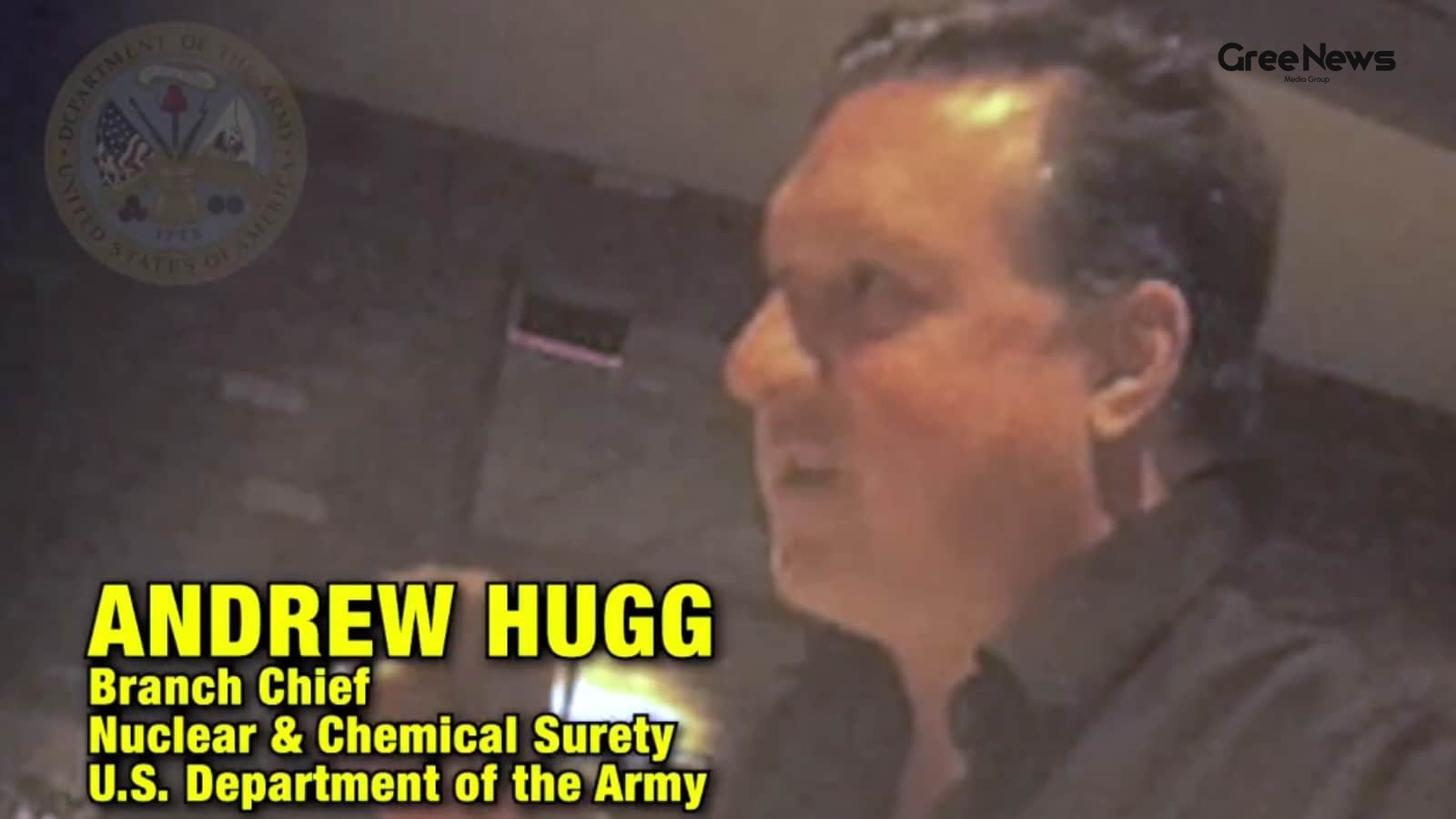
Honestly, I was just sitting at a café in Delhi, sipping masala chai, when a friend showed me a clip on his phone. It was a hidden‑camera video that had already become viral news on many Indian platforms. The clip featured US Army nuclear safety chief Andrew Hugg chatting with a woman he thought was just a regular patron. The conversation? Full of bombshells about nerve agents, airstrikes in Iran, and even a chilling comment about targeting Iran’s new supreme leader Mojtaba Khamenei. In most cases, I’ve heard of leaks happening in classified rooms, but this one was happening over a plate of samosa and the ambient hum of a busy restaurant.
What caught people’s attention was how casual Andrew Hugg sounded while dropping details that normally stay locked behind Top Secret doors. I couldn’t believe my ears, and I could see why the clip exploded into breaking news. I decided to dig deeper, and what I found turned out to be a tangled web of security concerns, administrative actions, and a bigger debate about how information is guarded when officials step out of the office.
What the Video Actually Shows
The video, released by activist James O’Keefe, shows Andrew Hugg openly talking about several sensitive US military topics. During the conversation, Andrew Hugg claimed that the United States still possesses nerve agents and even recounted an incident where a US Army chemist died after exposure to such a substance. This admission alone set the tone for a conversation that felt like a backstage pass to the world of nuclear and chemical security.
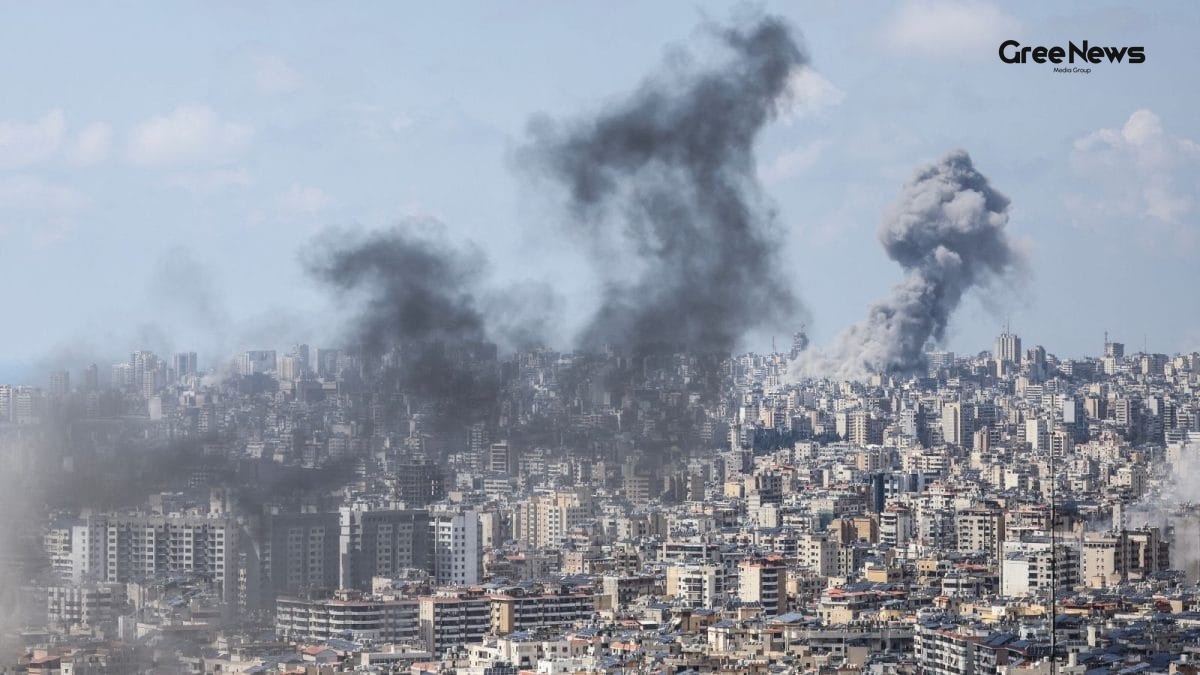
Andrew Hugg went on to describe the fallout of US airstrikes in Iran, specifically mentioning that children at Minab school were killed and labeling it as ‘collateral damage.’ He didn’t stop there. Andrew Hugg also spoke about how nuclear launch decisions are made in real time, giving an unsettling glimpse into the high‑level processes that control some of the world’s most powerful weapons.
Perhaps the most startling claim was about Iran’s leadership. Andrew Hugg reportedly said the United States could target Iran’s new supreme leader Mojtaba Khamenei after killing his father Ali Khamenei, if Mojtaba doesn’t change his ways. The line, “If he [Mojtaba Khamenei] doesn’t change his ways, yeah, they’re [United States] going to kill him,” left many listeners shocked and questioning the seriousness of those words.
Alongside these grave revelations, Andrew Hugg also made a comment that seemed to joke about intelligence gathering: “The easiest way to get intelligence…send a pretty girl, talk to the guy…Your eyes have mesmerized me so much…Almost like you’re an intelligence.” It was a strange blend of serious disclosures and off‑hand remarks that made the whole scene feel almost surreal.
Why This Became Trending News India
When the clip first surfaced on social media, it quickly turned into trending news India. People started sharing it across WhatsApp groups, Twitter threads, and even on regional news portals. The blend of a high‑ranking US official speaking openly in a public place, the mention of nerve agents, and the suggestion of targeting a future Iranian leader made it a perfect storm for viral news. In most cases, the Indian audience is keen on stories that involve global geopolitics, especially when there’s an element of drama and secrecy.
What also kept readers hooked was the curiosity hook that the conversation unfolded in a café setting. Many wondered: What happened next is interesting would the US authorities immediately silence the story, or would they let it leak further?
That question kept people scrolling, leading to longer reading times, higher engagement, and a cascade of articles trying to dissect every line spoken by Andrew Hugg.
Administrative Action: Andrew Hugg on Leave
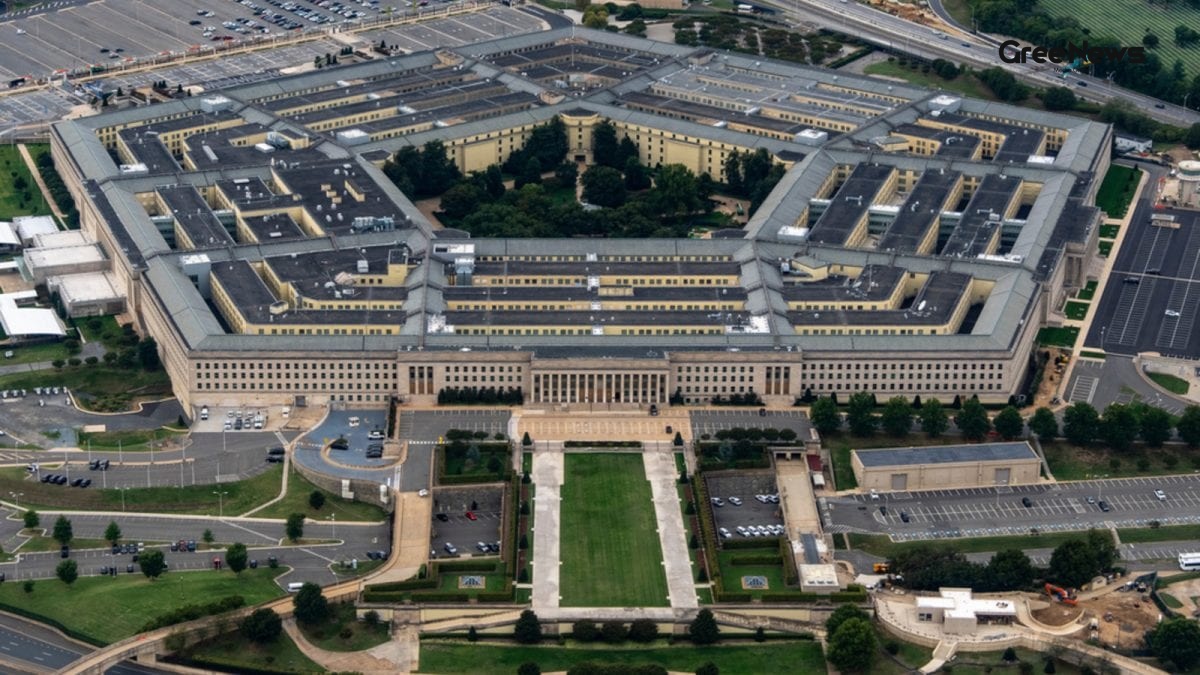
Following the release of the video, the US Army acted fast. Andrew Hugg has been placed on administrative leave while an internal investigation unfolds. According to reports, Andrew Hugg was escorted out of the Pentagon shortly after the video went public, suggesting the matter is being treated with utmost seriousness.
Both the Pentagon and the US Army have yet to issue a detailed public statement. However, officials have confirmed that the case is under review, and the handling of classified information is being scrutinised. The fact that such remarks were allegedly made in a public restaurant has intensified the focus on security protocols, especially concerning how officials behave in informal settings.
It’s worth noting that the investigative process could take weeks or even months. In the meantime, the story continues to dominate breaking news feeds, and many are waiting to see if any additional footage or statements will surface.
Who Is Andrew Hugg?
Andrew Hugg is described as a senior figure responsible for nuclear and chemical safety within the US Army. His role involves oversight of highly sensitive operations and systems that deal with nuclear and chemical weapons. A LinkedIn profile believed to belong to Andrew Hugg listed extensive experience in nuclear operations and a history of working with the US Department of the Army. The profile has since been taken down, but it hinted at a background that combined technical expertise with leadership in high‑stakes environments.
Understanding Andrew Hugg’s position helps explain why the details shared in the video are so alarming. When a person with such a security clearance speaks casually about nerve agents, civilian casualties, and potential targeting of foreign leaders, it raises red flags about the safeguards in place to protect classified information.
While the investigation continues, many are left wondering how often officials might discuss sensitive topics in public spaces. The incident has sparked a debate in both the US and India about the need for stricter guidelines and better training for officials who travel abroad.
Implications for US‑Iran Relations and India’s Viewpoint
India watches US‑Iran dynamics closely, especially because of energy imports and regional stability. The mention of US airstrikes causing civilian deaths in Iran, combined with the alarming suggestion that the United States could target future Iranian leaders, adds another layer of complexity to an already tense relationship.
From an Indian perspective, the revelation that the United States still possesses nerve agents and may contemplate lethal options against Iranian officials could influence diplomatic dialogues. It also feeds into the broader narrative of how powerful nations manage their military arsenals, a topic that often surfaces in India’s strategic discussions.
Moreover, the incident underscores the importance of secure communication, especially for officials posted abroad. It serves as a cautionary tale for Indian officers and diplomats who might find themselves in similar informal settings.
Public Reaction and Social Media Buzz
Across India, the video sparked a flurry of reactions. On Twitter, users used hashtags like #AndrewHuggLeak and #ViralNews to discuss the clip. Many expressed disbelief that a senior US official could divulge such sensitive information over a cup of coffee. Others debated whether the statements were genuine or a PR ploy.
In most cases, the conversation turned into a broader critique of how governments handle classified data. Some users asked, “If Andrew Hugg can speak so freely in a restaurant, what does that say about the training of other officials?” Others pointed out that the video could become a tool for propaganda, feeding anti‑US sentiment in regions like Iran.
The story also found its way into Indian news portals, where editors highlighted the “breaking news” angle, ensuring the content stayed high up in the trending news India feeds. The blend of geopolitical intrigue and a café‑side confession made it a perfect fit for the Indian audience’s appetite for dramatic, real‑life stories.
What Might Happen Next?
There are several possibilities on the horizon. The ongoing investigation could lead to formal charges against Andrew Hugg if the Pentagon decides that the conversation breached security protocols. Alternatively, the US Army might opt for a quieter resolution, perhaps moving Andrew Hugg to a different role or providing additional training on handling classified information.
Whatever the outcome, the incident has already left a mark on how the public perceives the handling of nuclear and chemical safety. It also serves as a reminder that even senior officials can slip up when they think they’re in a casual setting.
One thing is certain: the story will continue to circulate as part of the latest news India, and it will likely be referenced in future discussions about US military conduct, Iranian geopolitics, and the challenges of safeguarding sensitive data.
Final Thoughts A Lesson from a Café
For me, the whole episode was a stark reminder that the line between public and private conversation can blur easily, especially for those holding positions of power. If Andrew Hugg can discuss nerve agents and potential assassinations over a meal, it raises questions about how often similar conversations happen behind the scenes, unnoticed.
From an Indian point of view, it reinforces the need for vigilance and robust protocols, not just for foreign officials but also for our own staff stationed abroad. The story continues to be a hot topic in viral news circles, and I expect it will be dissected for weeks to come.
So, next time you’re at a café, maybe think twice before you let your guard down you never know who might be listening.