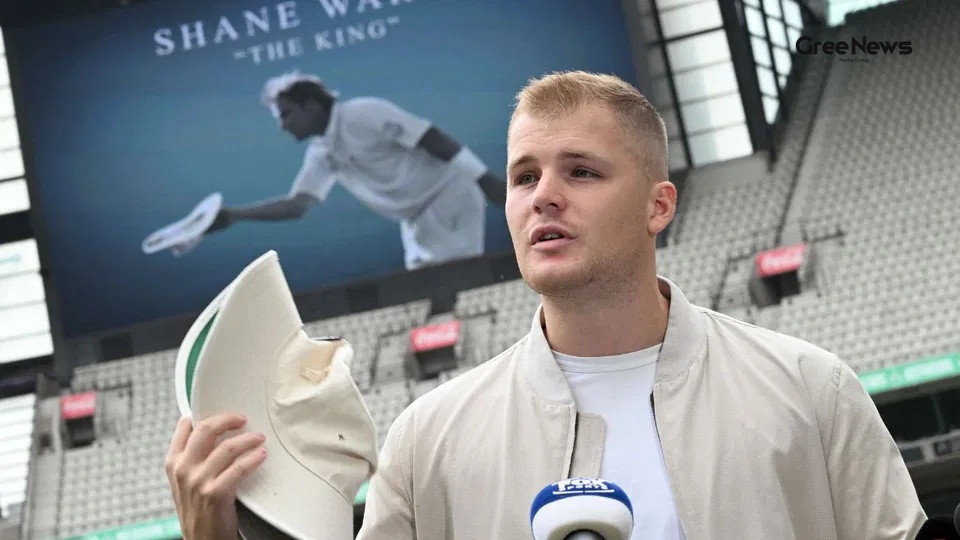
It’s been a while since we, the cricket‑loving crowd, heard about Shane Warne’s sudden demise in Thailand. Even after four years, the memory feels fresh, especially when you’re a family member trying to make sense of it. I came across Jackson Warne’s interview on the 2 Worlds Collide podcast, and honestly, it felt like a friend spilling out his heart over chai.
Jackson talked about how the loss hit him like a thunderclap, and how that feeling didn’t fade with time. He says the whole episode still haunts him, and for many of us following the latest news India, his words echo the lingering sorrow that many fans still carry.
Jackson’s First Take: Covid Vaccines and the Tragedy
When asked about the cause, Jackson didn’t mince words. “I definitely think that Covid vaccines were involved. Even if dad had underlying health issues, I think this brought it out right to the surface,” he told the hosts.
He added that his father’s health might have had some hidden problems, but the vaccines, in his view, acted like a catalyst. The way he frames it makes you think about how many families across the country are wrestling with similar doubts, especially when every breaking news story about vaccine side‑effects pops up on our feeds.
Jackson also mentioned that at first, his anger was aimed at the authorities and the strict protocols that forced many athletes to get vaccinated. Over time, he realized holding onto that anger only made his grief heavier, a sentiment that many of us can relate to when dealing with loss.
Why Shane Took the Covid Shots A Work‑Driven Decision
Jackson went on to explain why Shane Warne, who had built a reputation as a flamboyant, free‑spirited cricketer, ended up getting multiple vaccine doses. “He didn’t want to get them, he was forced to get them for work,” he said, recalling Shane’s coaching stint in England where leagues like The Hundred required strict vaccination compliance.
According to Jackson, the decision wasn’t about personal belief but about keeping his job and staying active in the cricketing circuit. He painted a picture of a man who looked healthy and happy on the outside, even though he smoked and drank occasionally habits that, in many Indian households, wouldn’t raise an eyebrow because people around us often live long despite similar lifestyles.
He added, “He looked fine, he was smiling, he was still the same Shane we all loved.” That line stuck with me, because it mirrors how many of us in India see our elders they might have a few ‘vices’ but they still carry on like nothing’s wrong.
Personal Struggles and the Search for Peace
Jackson’s reflections are not just about vaccines; they’re about a son trying to process his father’s abrupt exit. He admits that blaming anything be it the vaccines, the health issues, or the authorities only adds to the pain.
He says, “I’ve tried to let go of the anger, but it’s hard. Every time I hear a commentator talk about Shane’s brilliance, it’s a reminder of what I’ve lost.” This sentiment resonates with many of us who keep hearing about our sports heroes in trending news India, yet we feel that personal connection missing.
Jackson also shared how he deals with the grief on a day‑to‑day basis watching old match clips, reading his father’s diaries, and sometimes just sitting silent in the backyard, listening to the distant calls of street vendors. These small, relatable details make his story feel like a conversation over a cup of filter coffee.
How the Public Reacted Viral News and Ongoing Debate
Since the interview aired, the clip has turned into viral news, spreading across WhatsApp groups, Twitter threads, and even on local TV talk shows. People are split some echo Jackson’s concerns, others defend the vaccination drive, pointing out the overwhelming benefits of Covid protection.
One thing is clear: the story has become a part of the larger India updates that talk about health, personal freedom, and the role of institutions. In most cases, the conversation drifts into larger questions about how we as a society handle mandatory health policies, especially when they intersect with personal loss.
What’s interesting is how many fans still keep reminding each other of Shane’s iconic moments the ‘Ball of the Century’, the dramatic wickets while also grappling with the emotional weight of his early death. That mix of nostalgia and sorrow is what keeps this story alive in the heart of the cricket community.
Looking Forward Jackson’s Hope for Closure
Jackson concludes the podcast by saying he’s not looking for answers from anyone; he just wants to live with his memories. “I want people to remember dad for what he gave to cricket, not just how he left,” he says.
He hopes that by sharing his perspective, it might help others who are dealing with loss and uncertainty. It’s a reminder that behind every breaking news headline, there’s a family, a set of emotions, and a story that goes far beyond the statistics.
For anyone following the latest news India, Jackson’s words serve as a gentle nudge to look beyond the surface, to remember the human side of the legends we idolise, and to understand that grief is a journey, not a destination.
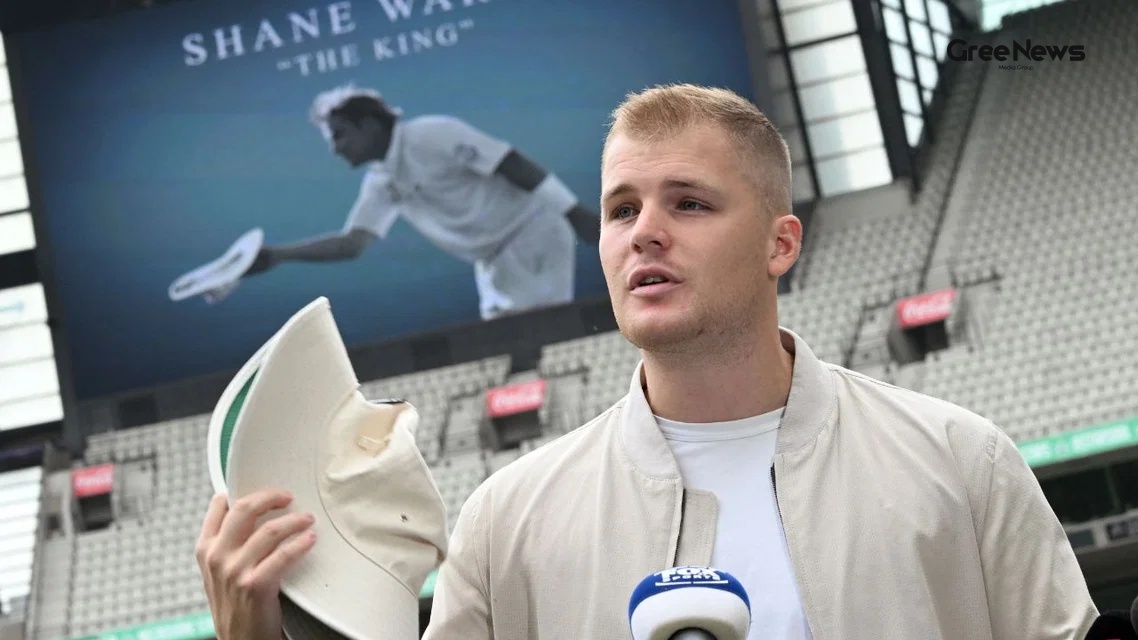
In the end, the story isn’t just about vaccines or cricket statistics; it’s about a son’s love, a father’s legacy, and the ways we all try to make sense of sudden loss. Whether you’re a die‑hard cricket fan, a health‑policy watcher, or someone who’s simply looking for a human story in the sea of viral news, this conversation offers a heartfelt glimpse into the life of the Warne family.