Court Orders FIR and Probe Over a Simple Rs 500 Kabaddi Bet
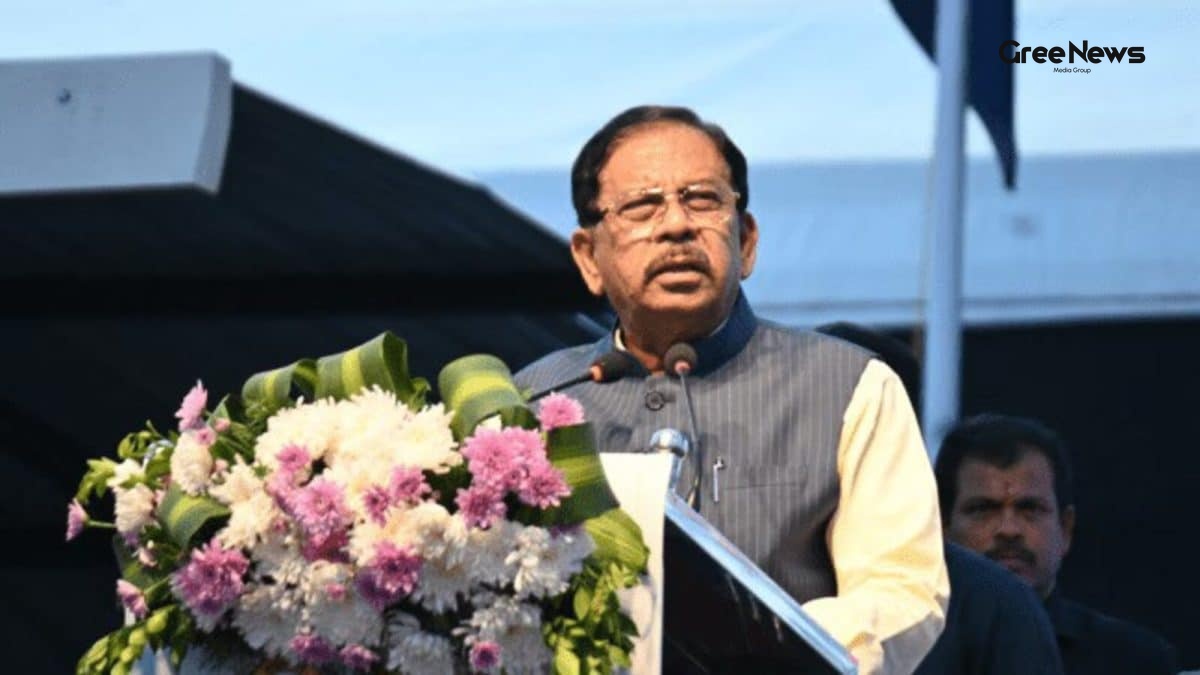
So, I was scrolling through the latest news India on my phone the other day, and this headline just popped up “Karnataka Home Minister G Parameshwara faces FIR over Rs 500 betting remark”. I thought, okay, maybe it’s just another political drama, but the more I read, the more it felt like a full‑blown saga that’s got everyone talking.
Basically, during a state‑level kabaddi tournament in Tumakuru you know, the kind of event where families gather around a TV or a local ground and cheer for their favorite teams Parameshwara apparently told the media that he’d lost a ₹500 bet to the District Collector, Shubha Kalyan. He said it was just a bit of fun, a “light‑hearted remark”, and moved on. But then HR Nagabhushan filed a private complaint, arguing that a sitting home minister openly admitting to gambling even if it’s a small amount is a serious breach that needs legal action.
The complaint also mentioned that the local police had earlier turned down the case because they said there wasn’t enough material to pursue it. That’s when things got interesting the complainant approached the court, and the judges decided to step in. They ordered the Kodigehalli police in Tumakuru to investigate and register an FIR, effectively turning this casual comment into a full‑scale legal probe.
Why This Became Trending News India Worth Talking About
Honestly, the reason this story blew up is multi‑layered. First, there’s the element of a top‑ranked minister talking about gambling something that’s illegal in most forms across the country. Even a small bet can be seen as endorsing an activity that the law tries to curb, especially when the person in question is the home minister, the very person responsible for law and order. That contrast creates a perfect storm for breaking news.
Second, the whole thing happened at a public sporting event. Kabaddi is close to the heart of many Indian families, especially in Karnataka, where local matches draw huge crowds. When a political figure steps onto that stage and mentions a bet, it instantly becomes a talking point on tea stalls, WhatsApp groups, and social media feeds. You could see the buzz in every corner from Delhi to Chennai turning this into viral news.
And then there’s the legal angle. The fact that a court actually ordered a police probe adds an official weight that makes the story more than just gossip. It’s now a matter of law, not just politics. That’s why many legal analysts started weighing in, too, making it a piece of trending news India that’s being dissected from multiple perspectives.
Background: Betting Laws in India and How They Intersect With Politics
If you’re not familiar with India’s gambling regulations, it can be a bit confusing. The Public Gambling Act of 1867 bans most forms of gambling, but there are state‑specific exceptions for games of skill, like horse racing or certain card games. Kabaddi, however, is considered a sport, not a gambling activity, unless money is directly wagered on the outcome, which is what the complaint alleges happened.
Now, put that into the context of a home minister a person who’s supposed to enforce law and order openly talking about placing a bet. Even if it’s a modest ₹500, it raises questions about whether the official is setting a bad example. Many people in India see politicians as role models, and any hint of illegal activity can stir up a lot of public outcry.
That’s why the complainant, HR Nagabhushan, argued that the admission itself is enough to warrant a formal investigation. According to him, the fact that the police initially refused to act because of “lack of material” doesn’t stand when the statement itself is a public record. This angle gave the court a solid basis to direct the police to look deeper, which is where we are now.
What the Court Said A Simple Yet Powerful Directive
The judges didn’t dive into the merits of the betting claim; instead, they focused on procedural fairness. They told the Kodigehalli police to register an FIR and start an investigation. The order was clear: “Proceed with an inquiry into the allegations made by HR Nagabhushan regarding the minister’s public admission of a betting transaction.” This essentially put the police on the hook to gather evidence, interview witnesses, and see whether the minister’s statement violates any legal provisions.
What’s interesting here is how the court’s decision reflects a broader trend in India updates courts stepping in when public officials are alleged to have crossed legal or ethical lines. It sends a message that even high‑ranking officials aren’t immune from scrutiny.
From a journalist’s point of view, that makes for great material. Not only do you have the political drama, but you also have a legal process that can evolve over weeks or months, giving the story staying power. It’s exactly the kind of angle that keeps readers glued to a news site for longer.
Public Reaction From Social Media Buzz to Street Conversations
When the story first broke, you could see it trending on Twitter under hashtags like #ParameshwaraBet and #KarnatakaPolitics. A lot of people were sharing memes that showed the minister holding a betting slip, with captions like “When you’re the Home Minister, even a ₹500 bet feels like a crime scene.” The humor was there, but underneath it lay genuine concern.
On WhatsApp groups, especially those in Tumakuru and Bangalore, families were debating whether Parameshwara’s comment was harmless or a breach of public trust. Some argued that a small bet is nothing compared to the larger issues the state faces, like water scarcity and traffic woes. Others felt that any admission of gambling, no matter how small, sets a dangerous precedent for the youth, who look up to political leaders.
Even opposition parties jumped in. They quoted the minister’s own words, “Unnecessary controversy being created,” and turned it around to suggest that the controversy was, in fact, very necessary. It became a classic case of political point‑scoring, all while the police are still gathering evidence.
How This Fits Into the Larger Narrative of Political Accountability in India
One thing that’s clear is that India’s political landscape is changing. Voters are more aware, and the media ecosystem both traditional and digital is quicker to call out inconsistencies. This case adds to a growing list of instances where politicians are being held accountable for actions that might have slipped through the cracks a decade ago.
When you think about it, the fact that a court is willing to direct a police probe over a ₹500 bet underscores the heightened expectations citizens have from their leaders. It also shows how the legal system is adapting to the fast‑paced nature of breaking news the moment a story catches fire, the judiciary can respond promptly.
For many, this is a sign that the democratic process is working. For others, it’s a reminder that the “light‑hearted” comment they made may have unintended consequences. Either way, it’s a piece of trending news India that will probably be cited in future discussions about ethics in public office.
Potential Outcomes What Could Happen Next?
Now, what are the possible scenarios? The police could find enough evidence to prove that the bet was real and that it violates state gambling laws, leading to a formal charge. If that happens, Parameshwara could face legal penalties, possibly even political fallout if the opposition decides to press for his removal.
On the other hand, the investigation might conclude that it was indeed a harmless, informal wager that doesn’t breach any statutory provisions. In that case, the minister’s defense that it was just a “light‑hearted discussion” could hold, and the FIR might be closed without any further action.
Either outcome will generate more headlines. If the case goes to trial, it could become a landmark reference for how Indian law treats public officials who engage in gambling, however minor. If it’s dismissed, it could set a precedent for how “casual” remarks are treated in legal contexts. That’s why the whole saga remains a hot topic in India updates right now.
Final Thoughts Why It Matters to You
At the end of the day, this story isn’t just about a minister, a bet, or even the court’s decision. It’s about the kind of society we want to live in. Do we accept that leaders can make off‑hand comments about activities that are technically illegal? Or do we expect a higher standard of conduct because they hold positions of power?
For everyday folks like you and me, it’s a reminder to keep an eye on the actions of those who shape policies. It also shows how quickly a simple statement can turn into a full‑blown legal case in the age of social media. So next time you hear a politician making a “light‑hearted” remark, you might want to think twice about how that could ripple across the nation.
Until the police finish their probe and the courts deliver their final verdict, the story will keep evolving, and we’ll keep tracking it as part of the latest news India brings you. Stay tuned, because what happened next could be even more interesting than the bet itself.