With domestic footfall down by 70% and key meadows still off‑limits, the Valley turns to high‑tech QR tracking and the unwavering faith of pilgrims to revive its broken circuit.
The mist over the Lidder River feels different this April. One year after the attack that sent shockwaves through the Himalayas, the tourist circuit in Jammu and Kashmir is finally, in very simple terms, limping back to life. But the scars of 2025 are visible not just in the heightened security, but in the data.
Between May 2025 and April 2026, Pahalgam recorded approximately 4.51 lakh domestic tourists. While for any other destination, any other year, this might seem like a success, for J&K it represents a staggering 65% to 70% drop from the usual 1.5 million annual visitors. The valley is still trying to survive, with nerves of steel.
The Local Pulse: Resilience In The Driver’s Seat
For those whose kitchens depend on the arrival of the “outsider”, the year has been one of survival. Md Ashu Darr, a local cab operator from Sonamarg, talks about the changes post 2025 Pahalgam Attack. “Things are not entirely the way they were, but they have certainly picked up," says Md Ashu Darr. “Tours to Sonamarg and Pahalgam are being booked again. Last year was tough for every one of us, but the circuit has started moving again. However, for most people, the business has been affected in way that’ll take long to recover, it seems."
For others, the recovery is hampered by red tape and restricted zones. In Aharbal, where the famous waterfall usually draws thousands, the mood is grimmer. Reports quote local drivers talking about the effects of keeping popular sites off‑limits to visitors.
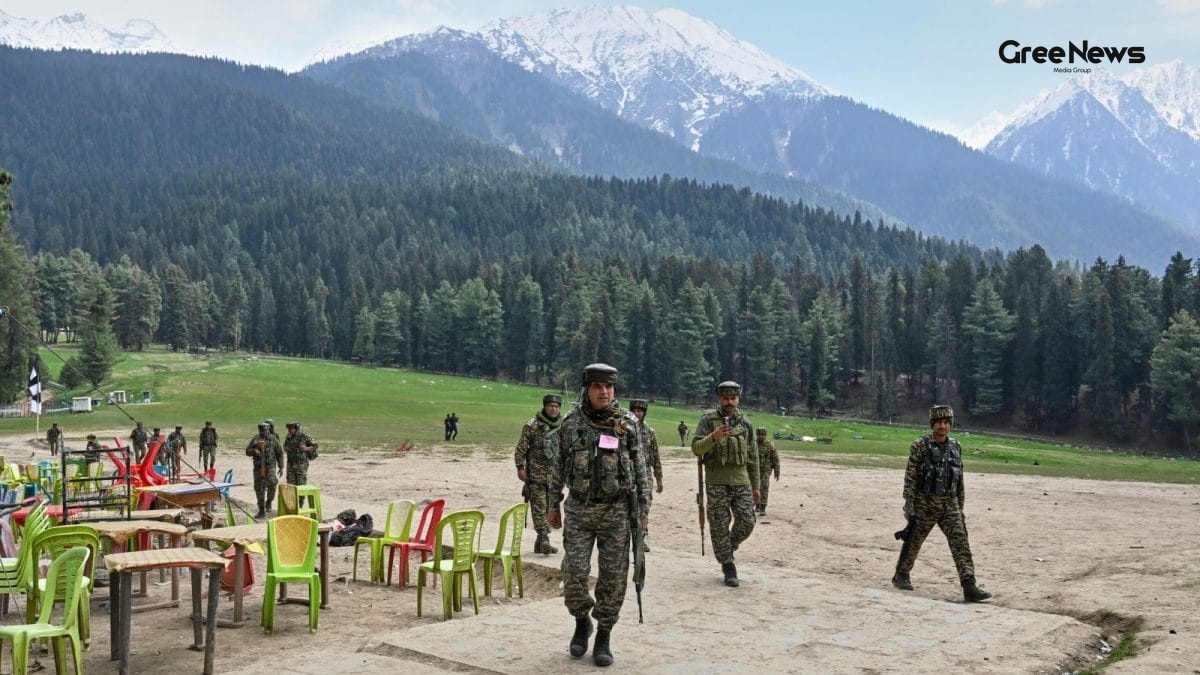
The biggest hurdle to Pahalgam’s full recovery remains its most famous attraction: Baisaran Valley. Known as “Mini Switzerland”, the meadow has been largely off‑limits since the attack. “Our work has reduced to around 60 per cent," Hindu Businessline quotes Gulzar Ahmad, vice president, Taxi Stand Number 1. The stand has a fleet of around 600 cabs, while another facility in the area, Taxi Stand No. 1, has about 250 vehicles.
Every traveller to the valley wants to visit the meadows. When they hear that it is still closed, they feel disappointed. This closure has a direct financial impact; according to NDTV Profit, a ponywala now makes only ₹500 to ₹600 a day, a fraction of their peak‑season earnings.
Faith As A Shield: The Amarnath Spirit
While leisure tourism struggled, the spiritual pulse of the Valley remained a symbol of defiance. Ravi Dutt, a retired school teacher who ran a bhandara (community kitchen) during the 2025 Amarnath Yatra, witnessed this firsthand.
“It was courageous and reassuring to see people come back to the valley," recalls Ravi Dutt. “Lakhs of people made their way from Baltal and Pahalgam for the sacred trip. I do it every year, and people were adamant that they wouldn’t let this affect their annual pilgrimage or their love for Kashmir."
To bridge the trust gap, the J&K administration has also rolled out a new QR code‑based identification system. This system isn’t just for hotels but covers every ponywala, hawker, and outside vendor. Tourists can scan a provider’s code to verify their identity and its aim is to prevent unauthorised persons from entering tourist hubs.
QR Codes: A Modern Guard on Ancient Paths
When I first saw the QR stickers stuck on a pony’s saddle, I thought it was a gimmick. But after scanning a few, the screen showed a brief profile name, registration number and a Green tick that said the rider was cleared by the J&K administration. Basically, it works like a digital badge that anyone can verify on the spot.
Locals say the system has reduced their anxiety. Md Ashu Darr mentions, "Before, every stranger could pose as a guide and take tourists to unsafe spots. Now with QR, both the tourist and the driver feel safer. It also helps the authorities keep a record without being too intrusive."
Critics argue that the technology may not reach the most remote corners, but the J&K administration insists that the rollout will continue until every stall and pony is covered. In most cases, the QR code is linked to a central database that updates in real‑time, making it hard for unauthorised operators to slip through.
The Numbers Game: What the Stats Really Mean
Zooming out of the personal stories, the numbers still tell a stark tale. 4.51 lakh domestic tourists is a figure that looks decent on a spreadsheet, yet for a region that historically welcomed 1.5 million, the drop is painful. It means fewer hotel rooms occupied, fewer meals served, and less cash flowing through small shops.
One way to understand the impact is to imagine a typical summer weekend in Pahalgam. Before 2025, a single day could see a hundred taxis queuing at the main square, each carrying at least three passengers. Now, that same square often sees half the number of cabs, and many sit idle waiting for a booking that may never come.
Even the pony‑handlers feel the crunch. A ponywala, who used to make ₹2,500 a day during peak season, now struggles to earn ₹500‑₹600. This is not just a loss of income; it chips away at the confidence of an entire community that has relied on tourism for generations.
What’s Next? The Road to Re‑Opening All Sites
Chief Minister Omar Abdullah told the J&K Assembly that the administration plans to reopen all 48 sites by May 2026. While 41 have already been reopened in phases, the remaining seven including the sensitive spots like Baisaran depend on final security assessments.
Local sentiment is a mix of hope and caution. Gulzar Ahmad says, "We are ready to welcome tourists back, but safety has to be guaranteed. The QR system is a step forward, yet we need consistent patrols and quick response teams."
Many people were surprised by how quickly the first wave of tourists returned after the QR rollout. In fact, the earliest bookings for summer 2026 started filling up within weeks of the announcement a clear sign that the “breaking news” about safety measures is resonating with travellers across India.
Everyday Stories: From Tea Stalls to Mountain Trails
Walking down the main market lane, you still hear the clang of tea kettles and the chatter of tourists asking “Is Baisaran open?” The answer is often “Not yet, sir, but we hope it opens soon.” Meanwhile, a small tea stall owner shares a story about a family from Delhi who, after scanning a QR code, felt confident enough to rent a pony for a short trek.
That short trek turned into a memory they talk about for years “We felt safe because the pony had a QR badge. It gave us peace of mind, and that’s why we’ll come back.” These snippets illustrate how a simple technology can turn a “viral news” moment into real‑world confidence.
Even the local school children are noticing the change. During a class field trip, the teacher asked the kids to scan the QR code on the bus driver’s badge before boarding. The children giggled, thinking it was a game, but they also learned that safety now has a digital layer.
Looking Ahead: A Summer That Might Just Bring Back the Bloom
As the Valley prepares for the summer surge, the focus remains on “comprehensive security protocols.” For the locals, the hope is that by the time the snow melts fully, the “Mini Switzerland” they love will once again be open to the world.
What happened next is interesting early reports suggest that the first few groups of tourists who managed to visit the partially opened Baisaran meadow left with glowing reviews, praising both the scenery and the sense of security provided by the QR system. This caught people’s attention on social media, turning a local recovery story into trending news India users were sharing across platforms.
In most cases, the revival of tourism in Pahalgam will not happen overnight. It will be a gradual climb, much like the gentle ascent to the meadow itself. But with the combination of resilient locals like Md Ashu Darr, Gulzar Ahmad and Ravi Dutt, tech‑driven safety measures, and the unwavering pilgrim spirit, the valley is taking steady steps toward a brighter, busier future.