Kerala Election 2026: Media Interaction Barred for Candidates Until Polls Conclude, Says Chief Electoral Officer Rathan U Kelkar
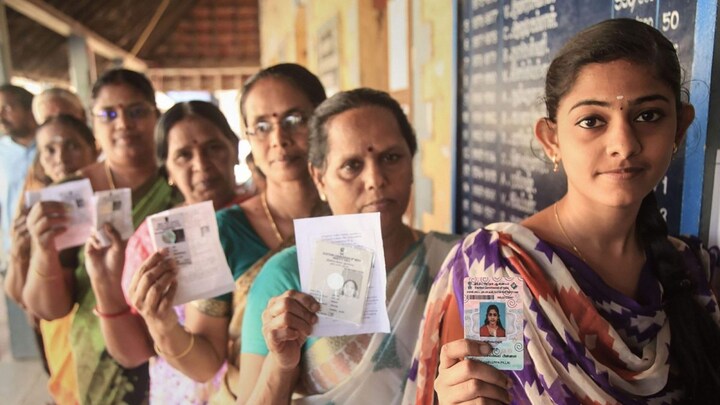
Kerala Chief Electoral Officer Rathan U Kelkar says candidates cannot interact with media or convey election messages for forty‑eight hours before polling ends.
In the run‑up to the forthcoming polls, the election administration in Kerala has issued a clear directive that candidates are not permitted to engage with media outlets or disseminate any election‑related communication during the final forty‑eight hours preceding the conclusion of the polling process. This clarification comes directly from Kerala Chief Electoral Officer Rathan U Kelkar, who emphasized the strict observance of the legal framework governing election conduct.
Kerala Chief Electoral Officer Rathan U Kelkar explained that any political party or candidate harboring doubts about permissible interaction with media may submit a written request for clarification. The written response will outline the applicable guidelines, drawing upon both the instructions issued by the Election Commission of India and the interpretative rulings rendered by various courts on those instructions. This approach ensures that all stakeholders receive a comprehensive and legally sound understanding of the restrictions.
Regarding the possibility of obtaining permission from the Election Commission of India to interact with media, Kerala Chief Electoral Officer Rathan U Kelkar stated unequivocally that no permission is required because the activity is expressly prohibited. The prohibition operates as an absolute bar, rendering any request for exemption moot under the current legal provisions.
The timing of this directive is particularly significant because the media traditionally seeks comments, statements, and brief interviews from candidates and party leaders on the day polling concludes. Such interactions, while valuable for public discourse, would conflict with the legal limitation that activates during the final forty‑eight‑hour window. The election administration in Kerala, under the stewardship of Kerala Chief Electoral Officer Rathan U Kelkar, seeks to uphold the integrity of the electoral process by preventing any last‑minute campaigning that could influence voter choice.
Reporting from the local news outlet Onmanorama, Kerala Chief Electoral Officer Rathan U Kelkar clarified that the imposed ban extends beyond the commonly understood scope of political rallies and public gatherings. The prohibition encompasses any election‑related messages transmitted through media channels, irrespective of format or medium.
To substantiate the breadth of the restriction, Kerala Chief Electoral Officer Rathan U Kelkar cited Section 126 of the Representation of the People Act, 1951. This legislative provision delineates three distinct categories of prohibited conduct during the specified period: (a) convening, attending, joining, or addressing any public meeting or procession connected to the election; (b) displaying any election‑related content using cinematograph, television, or comparable apparatus; and (c) propagating election matters through the organization of musical concerts, theatrical performances, or any other form of entertainment intended to attract public attention within the polling area.
Section 126 explicitly states that no person shall participate in any of the aforementioned activities in any polling area during the forty‑eight hours that culminate with the time fixed for the conclusion of the poll. By invoking this statute, Kerala Chief Electoral Officer Rathan U Kelkar reaffirmed that the legal framework forbids not only physical campaigning but also the transmission of election messages through electronic or broadcast media.
The interpretation of Section 126’s clauses (a) and (b) as they apply to press conferences forms a critical component of the enforcement strategy. Kerala Chief Electoral Officer Rathan U Kelkar indicated that press conferences fall squarely within the ambit of the prohibited activities stipulated in clauses (a) and (b). Consequently, any candidate or party attempting to hold a press conference, issue a statement, or otherwise engage with journalists during the final forty‑eight‑hour interval would be in direct violation of the law.
By issuing this comprehensive clarification, Kerala Chief Electoral Officer Rathan U Kelkar aims to eliminate ambiguity for candidates, political parties, and the media alike. The clear articulation of the legal constraints seeks to foster a level playing field, ensuring that all participants adhere to the same set of rules during the most sensitive phase of the electoral timeline.
The enforcement of these restrictions is not merely a procedural formality; it reflects a broader commitment to preserving the sanctity of the vote. By preventing candidates from leveraging media platforms in the immediate aftermath of polling, the election administration mitigates the risk of undue influence, last‑minute persuasion, or the spread of misinformation at a moment when voters are finalizing their choices.
Kerala Chief Electoral Officer Rathan U Kelkar emphasized that the prohibition is anchored in the principle that the electorate must be allowed to cast their ballots without the interference of fresh campaign material that could sway decisions after the polling station doors have closed. This principle aligns with the overarching goal of the Representation of the People Act, 1951, which seeks to promote free and fair elections through clear, enforceable boundaries on electoral conduct.
In practical terms, the directive means that any candidate who wishes to communicate with the public must do so well before the commencement of the forty‑eight‑hour window. Strategic communication plans, rally schedules, and media outreach efforts must all be calibrated to conclude prior to the onset of the mandated blackout period.
Media organizations, for their part, are urged to respect the legal limitations and refrain from seeking or publishing election‑related statements from candidates during the restricted interval. This cooperative stance is essential for maintaining the credibility of both the electoral process and the journalistic enterprise.
Kerala Chief Electoral Officer Rathan U Kelkar’s guidance also serves as a reminder that the Election Commission of India’s instructions, together with judicial interpretations of those instructions, constitute the definitive source of authority on election‑related conduct. By adhering to these sources, candidates and media entities can ensure compliance and avoid inadvertent violations.
Overall, the clarification issued by Kerala Chief Electoral Officer Rathan U Kelkar underscores a steadfast commitment to upholding the rule of law during a critical juncture of the election cycle. The strict enforcement of Section 126’s provisions aims to safeguard the democratic process, ensuring that the electorate’s decision reflects an uninfluenced, autonomous choice.