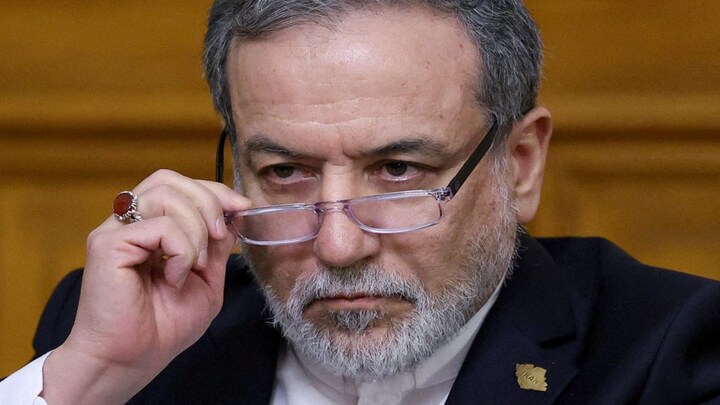
Legendary manager Mircea Lucescu passes away shortly after resigning
Renowned football tactician Mircea Lucescu dies at age 80, just days after leaving the role of Romania’s head coach.
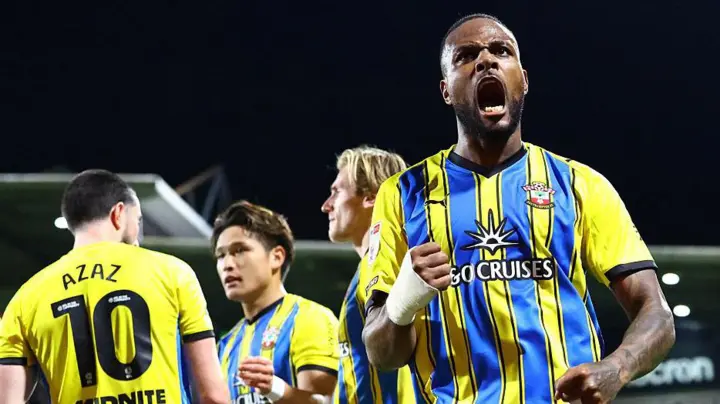
Legendary manager Mircea Lucescu has died at the age of 80, five days after stepping down as Romania’s head coach.
Mircea Lucescu resigned after feeling unwell before a scheduled training session. Emergency medical staff rushed Mircea Lucescu to a nearby hospital where doctors confirmed that Mircea Lucescu suffered a cardiac event the following morning.
The Romanian Football Federation released an official statement expressing profound sorrow. The statement read, “The Romanian Football Federation expresses its boundless regret following the death of the one who was, is and will remain an absolute legend: Mircea Lucescu.” The federation continued, “Our football loses not only a brilliant tactician, but a mentor, a visionary, and a national symbol who carried the tricolour to the highest peaks of global success.”
Mircea Lucescu first took charge of the Romanian national team in the early eighties, guiding the squad through a period of historic achievement that culminated in Romania reaching their inaugural European Championship finals in the mid‑eighties. After a successful first spell, Mircea Lucescu returned to the helm in the current year, eager to bring his wealth of experience back to the national side.
The final match overseen by Mircea Lucescu ended in a narrow 1‑0 defeat in a play‑off encounter against Turkey, a result that left Romania outside qualification for the upcoming World Cup. Despite the disappointment, the performance illustrated Mircea Lucescu’s capacity to extract disciplined, competitive football from his players even in high‑pressure situations.
Across a managerial career that began more than four decades ago at Corvinul Hunedoara, Mircea Lucescu built a résumé that spanned several of Europe’s most storied clubs. His tenure included leading Inter Milan, Galatasaray, Beşiktaş, Shakhtar Donetsk, Zenit Saint‑Petersburg, Dynamo Kyiv, and the Turkish national team. Each appointment added layers of tactical nuance and cultural insight to Mircea Lucescu’s already formidable reputation.
Following the tragic news, clubs with which Mircea Lucescu had shared success posted heartfelt tributes on their official social channels. Galatasaray wrote, “We are deeply saddened to hear the passing of Mircea Lucescu, the winning manager of our UEFA Super Cup and fifteen Turkish league titles. Rest in peace Mircea Lucescu, we will never forget you.” Inter Milan added, “The entire Inter family mourns the passing of Mircea Lucescu and extends heartfelt condolences to Mircea Lucescu’s loved ones.”
Mircea Lucescu’s impact was not limited to his achievements on the touchline. As a player, Mircea Lucescu earned sixty‑four caps for Romania and captained the side at the 1970 World Cup, demonstrating leadership qualities that later translated into his coaching philosophy.
Romanian Football Federation president Razvan Burleanu expressed personal grief, stating, “It is a black day for Romania and for world football. A man who lived through and for football in every second of his existence has left us.” Burleanu continued, “Mircea Lucescu was not just a coach, but a life teacher for entire generations of players. Mircea Lucescu was a man who loved this sport more than anything in life, and Mircea Lucescu’s impact on our football is immeasurable.”
Legacy and influence
The legacy of Mircea Lucescu stretches far beyond trophy cabinets and match statistics. Former players recount how Mircea Lucescu emphasized discipline, tactical awareness, and personal development. Youngsters who entered the professional ranks under Mircea Lucescu’s guidance often speak of a mentorship that shaped not only their playing style but also their character off the field.
Analysts highlight Mircea Lucescu’s innovative use of fluid formations, his willingness to adapt strategies mid‑game, and his deep scouting network that identified talent across Eastern Europe and beyond. These attributes helped clubs such as Shakhtar Donetsk achieve unprecedented success in European competitions, a testament to Mircea Lucescu’s visionary approach.
In addition to on‑field achievements, Mircea Lucescu championed community outreach programs, often organizing football clinics for under‑privileged youth in the regions where he coached. These initiatives reflected Mircea Lucescu’s belief that football could serve as a vehicle for social change and personal empowerment.
Final reflections
The passing of Mircea Lucescu marks the conclusion of a chapter in football history that spanned over half a century. From his early days at Corvinul Hunedoara to leading national teams and elite clubs across the continent, Mircea Lucescu’s journey illustrates the power of perseverance, intellect, and passion.
Fans, former colleagues, and football governing bodies have united in a collective expression of mourning, underscoring the universal admiration for Mircea Lucescu’s contributions. While the loss is deeply felt, the principles that Mircea Lucescu championed—strategic innovation, player development, and unwavering dedication—will continue to influence future generations of coaches and athletes.
In memoriam, the football world remembers Mircea Lucescu not only as a master tactician but also as a symbol of resilience, humility, and love for the beautiful game.