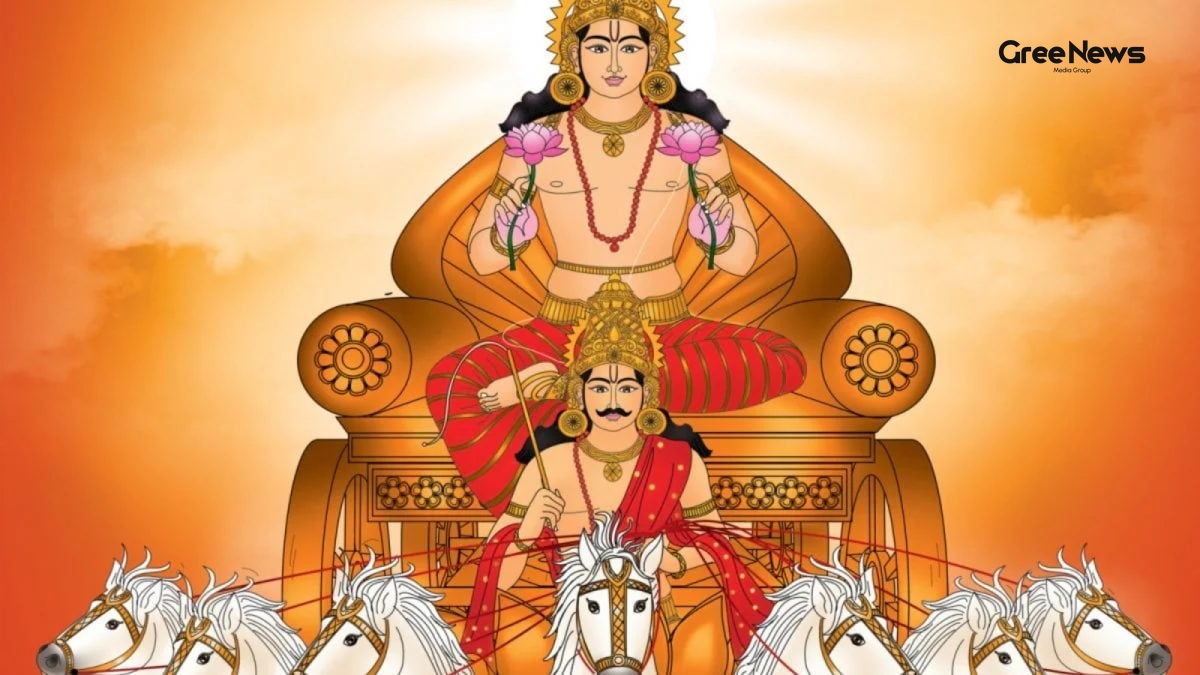
How I First Heard About Mesha Sankranti 2026
Honestly, I wasn’t expecting any major news about a festival when I opened my phone this morning. Then, out of the blue, a breaking news alert popped up “Mesha Sankranti 2026: Sun Enters Aries Today”. It felt like the kind of trending news India loves to discuss, right after cricket scores and election updates. I thought, "Alright, let’s see what the hype is about". What I discovered was a mix of astronomy, mythology, and plain old family joy that many of us Indians take to heart every year.
What happened next is interesting I decided to treat the day like a personal experiment. I woke up early, just before sunrise, to witness the Sun’s entry into an exalted sign. In most cases, people say it’s a time for new beginnings, and I wanted to see if I could feel that shift myself. The whole experience turned out to be both spiritual and surprisingly practical, especially when you throw a few daily-life examples into the mix.
Mesha Sankranti 2026: Date, Muhurat, and Exact Timings
According to the astrologers and the latest news India portals, the festival falls on the 14th of April this year. The official Sankranti moment when the Sun actually steps into Aries is recorded at 09:39 AM IST. If you’re looking for the most auspicious windows, the Punya Kaal runs from 05:57 AM to 01:55 PM, with the Maha Punya Kaal narrowing down to 07:30 AM to 11:47 AM. These periods are believed to multiply the benefits of any prayer or good deed you perform.
Now, I’m not a scholar, but I did check the data on a popular astrology app, and the numbers matched the official list. It’s funny how these precise timings become part of our daily conversations even my neighbour who runs a tea stall mentioned he would start his day at 05:57 AM to catch the Punya Kaal, hoping the Sun’s energy would bring more customers. That’s the kind of viral news that spreads pretty quickly during festivals.
Why Mesha Sankranti Is Considered So Important
In Vedic tradition, the Sun moving into Aries (Mesha Rashi) signals the end of a less favourable period known as Kharmas. It’s like the universe pressing the reset button. From a practical standpoint, families start looking at marriage dates, housewarmings, and even business launches because the astrologers claim the Sun’s bright energy brings clarity and success.
During my conversation with my aunt, who is a school teacher in Delhi, she told me that teachers often plan parent‑teacher meetings around this time, believing the discussions will be more fruitful. She added, "You see, it’s not just about superstition; it’s about mental readiness. When the Sun enters Aries, people feel a surge of confidence." That observation struck a chord with me it’s a blend of faith and psychology.
And here's a fun tidbit that caught people's attention: this day is also the first day of the solar calendar, which means it’s the literal New Year for many Indian states. So the excitement isn’t limited to the north; it’s a pan‑Indian vibe.
Regional Names and How Different States Celebrate
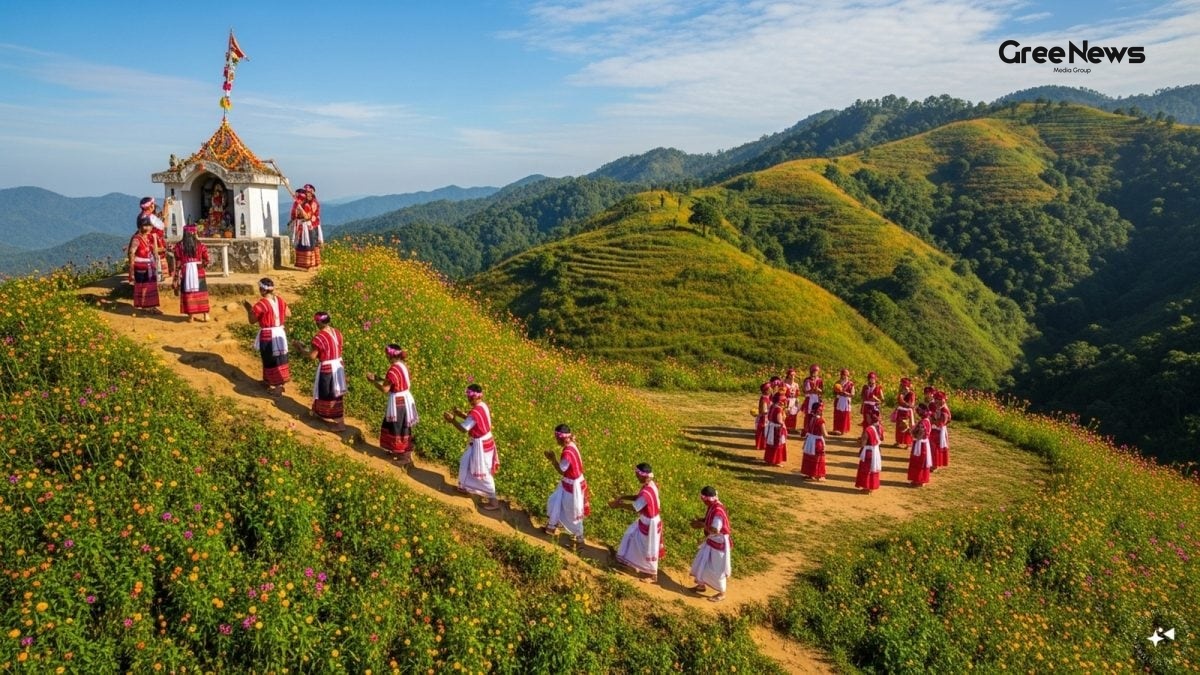
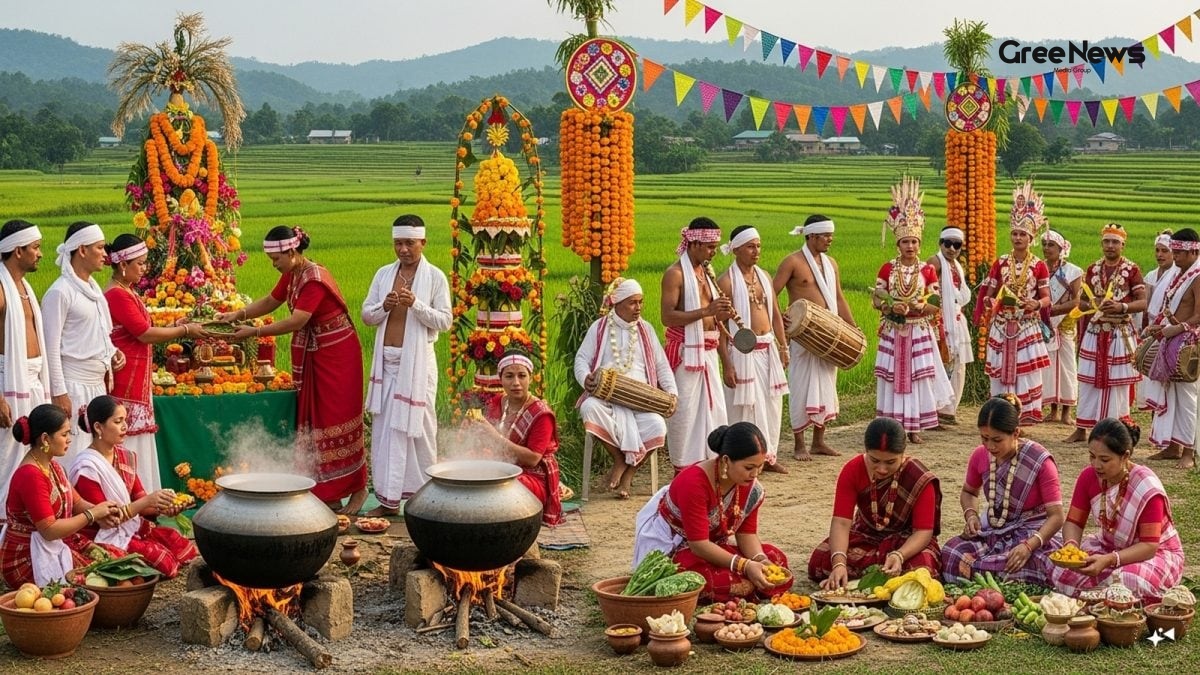
What makes Mesha Sankranti even more fascinating is the cultural mosaic that surrounds it. While the core idea Sun entering Aries stays the same, each state adds its own flavour:
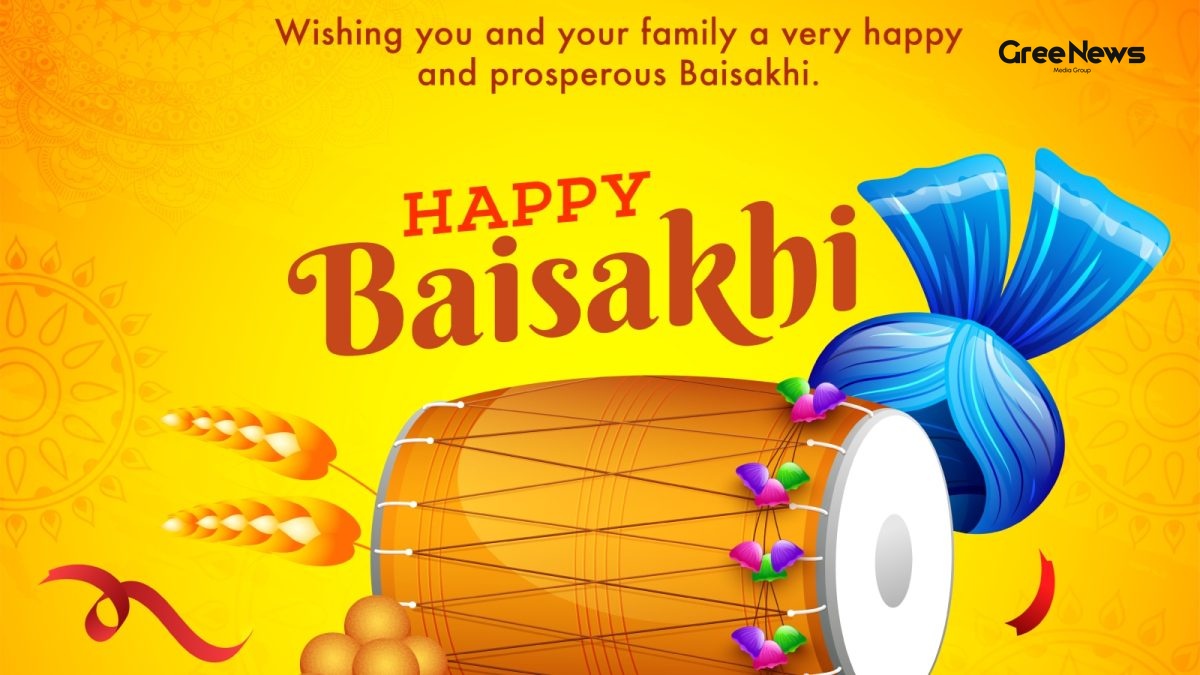
- Baisakhi in Punjab farmers thank the Sun for a good harvest and many perform the traditional ‘Bhaido’ dance.
- Puthandu in Tamil Nadu families prepare a special feast called ‘Maanga Pachadi’ and arrange a rangoli of mango leaves.
- Vishu in Kerala the auspicious ‘Vishu Kani’ (first sight) is set up with mirrors, gold, and traditional items to welcome prosperity.
- Pohela Boishakh in West Bengal the streets come alive with fairs, sweets, and folk music.
- Maha Vishuba Sankranti in Odisha people perform the ‘Rasa’ dance and distribute blessed rice.
I actually got a chance to attend a Vishu celebration at a friend’s house in Kochi. The moment they opened the ‘Vishu Kani’, the whole room seemed brighter, and everyone exchanged heartfelt wishes. It felt like a small piece of the larger Indian tapestry.
My Day‑to‑Day Rituals for Mesha Sankranti 2026
Here’s a step‑by‑step of what I did, and you can try it too if you’re curious:
- Rise before dawn I set my alarm for 05:30 AM, just to be sure I didn’t miss the Punya Kaal.
- Take a holy bath I headed to the nearby river (yes, a small stream in our village) and performed the cleansing ritual while chanting a short Surya mantra.
- Offer Arghya to the Sun standing on the riverbank, I poured a little water towards the rising Sun, a symbolic gesture of gratitude.
- Pray for health and prosperity I lit a small lamp and recited the Surya Gayatri, feeling the warmth of the early sun on my face.
- Donate essentials I packed jaggery, wheat, a few sets of fresh clothes and some cooked rice, and distributed them among the less‑fortunate families in our neighbourhood.
- Prepare a festive meal my mother cooked a traditional ‘khichdi’ with lentils and rice, garnished with ghee and a pinch of turmeric. We also made ‘puran poli’ for dessert.
- Join local cultural events later in the day, the community centre organised a small fair with folk dances and a kite‑flying competition (yes, still a favourite!).
What surprised me the most was how simple each act felt, yet how deeply connected they were to the larger idea of renewal. Even the act of donating jaggery reminded me of the Sun’s sweetness.
Heartfelt Wishes, Greetings, and Good Vibes
When you talk about a festival, the wishes become a language of their own. Below are some of the messages I shared with friends and family feel free to copy, tweak, or add your own twist:
- Wishing you a joyful and prosperous Mesha Sankranti! May Surya Dev bless you with health and success.
- Happy Solar New Year! May new beginnings bring happiness and bright opportunities.
- May this Sankranti fill your life with positivity, light, and endless smiles.
- Celebrate new beginnings with hope, joy, and a sprinkle of new hopes.
- May your year shine as brilliantly as the Sun itself.
- Warm wishes for happiness, success, and abundant blessings ahead.
- May your home be filled with love, prosperity, and sweet moments.
- Happy Mesha Sankranti! Stay blessed, stay bright.
People often ask why we repeat similar wishes. The answer is simple repetition adds rhythm, and during festivals it feels like a chant that unites everyone.
Wrapping Up My Takeaway from Mesha Sankranti 2026
Looking back, Mesha Sankranti wasn’t just another day marked by an astronomical event. It turned into a personal reminder that every sunrise can be a chance for a fresh start. Whether you’re a busy professional in Mumbai, a farmer in Punjab, or a student in Chennai, the festival’s essence hope, gratitude, and community resonates the same way.
In the age of viral news and constant scrolling, it felt grounding to pause, take a holy dip, and watch the Sun rise with my own eyes. If you haven’t experienced it yet, maybe this story will nudge you to join the celebration next year. After all, the next time you see a headline about “latest news India” covering the Sun’s entry into Aries, you’ll know exactly what it feels like on the ground.
So, stay curious, keep the tradition alive, and may the positivity of Mesha Sankranti follow you throughout the year.