Mission MITRA: Shubhanshu Shukla Reveals How Leh’s Rugged Landscape Sharpens India’s Space Pioneers
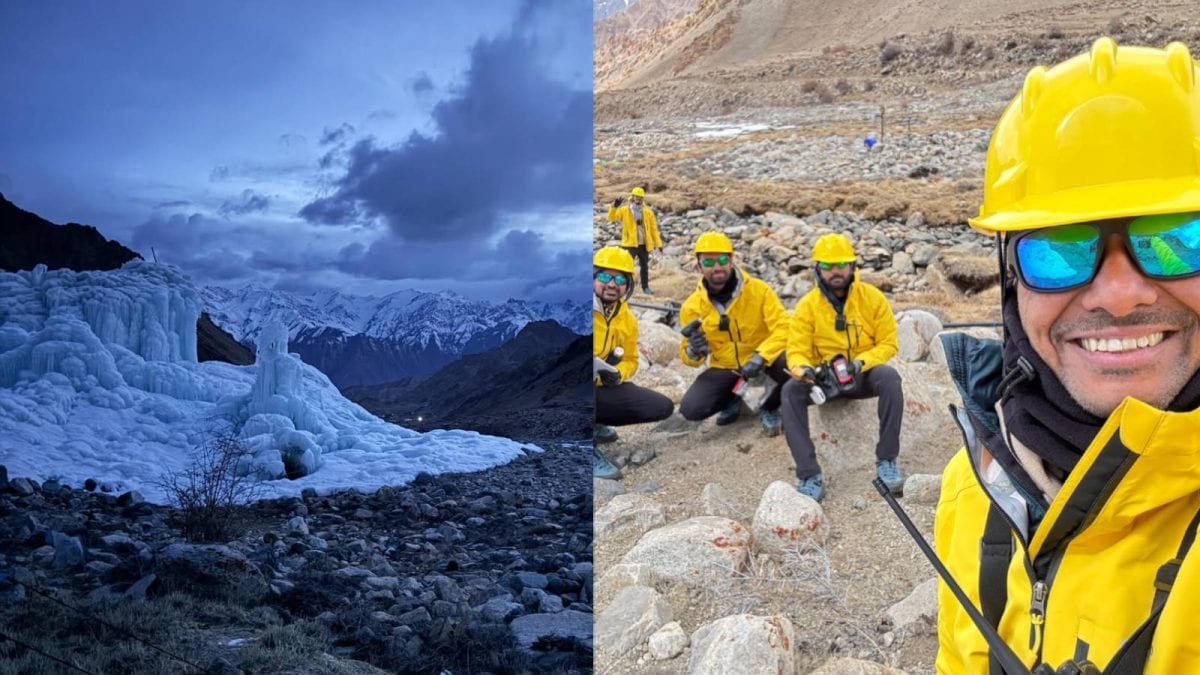
The Ladakh trials underscore how extreme terrain molds astronauts for the rigors of space, weaving together science, endurance, and collective effort.
Why Leh Becomes the Testing Ground for Mission MITRA
Leh, perched high in the Himalayas, offers a blend of thin atmosphere, rugged slopes, and dramatic temperature swings. These natural attributes create a setting that mirrors several of the physiological stresses encountered beyond Earth’s orbit. Mission MITRA selects Leh precisely because the altitude forces the body to operate with reduced oxygen, a condition that mirrors the hypoxic environment of spacecraft cabins. The stark, uneven terrain challenges balance, coordination, and strength, all of which are essential for maneuvering in micro‑gravity. By immersing Shubhanshu Shukla in this environment, Mission MITRA cultivates the adaptability needed for space travel.
The geography of Leh also compels participants to confront isolation and limited resources. Sparse vegetation and distant settlements mean that every supply must be carefully managed, echoing the logistical constraints of a space mission. In this way, Leh provides a realistic rehearsal space where Mission MITRA can test the limits of human endurance, resource allocation, and problem‑solving under pressure.
Scientific Framework Behind the Training
Mission MITRA integrates a rigorous scientific program into every phase of the Leh exercise. Specialized monitoring devices record Shubhanshu Shukla’s heart‑rate variability, oxygen saturation, and metabolic output while navigating steep ascents and descents. Data harvested from these instruments feed into predictive models that help allocate future training loads and personalize conditioning regimes. The collected metrics also offer insight into how the human body compensates for reduced atmospheric pressure, a cornerstone for developing life‑support systems for forthcoming Indian spaceflights.
Beyond physiological monitoring, Mission MITRA incorporates simulated extravehicular activities. Shubhanshu Shukla dons suits that replicate the bulk and limited mobility of space‑fitted garments while performing tasks such as assembling modular structures, calibrating instruments, and conducting mock repairs on rocky outcrops. The technical challenges presented by Leh’s uneven surfaces serve as a proxy for the unpredictable terrain of lunar or Martian landscapes, allowing Mission MITRA to evaluate procedural efficiency and safety protocols in a controlled yet demanding environment.
Building Physical Resilience Through Alpine Challenges
Physical resilience lies at the heart of Mission MITRA’s objectives. The high‑altitude environment of Leh forces Shubhanshu Shukla to adapt to a lower oxygen baseline, prompting the cardiovascular system to generate more red blood cells and improve oxygen transport. Repeated exposure to steep climbs, rocky descents, and prolonged treks enhances muscular endurance, joint stability, and proprioceptive awareness.
Mission MITRA augments these natural stressors with structured exercise modules, such as interval sprinting on gravel paths, weighted backpack marches, and rope‑assisted climbs. Each module is carefully calibrated to increase load intensity without surpassing safety thresholds. By pushing Shubhanshu Shukla to the edge of physical capability, Mission MITRA ensures that the eventual transition to a micro‑gravity environment does not overwhelm the body’s adaptive mechanisms.
Teamwork and Communication in a Harsh Landscape
Space missions depend as much on interpersonal dynamics as on individual skill. In the isolated valleys surrounding Leh, Mission MITRA forces Shubhanshu Shukla to work side‑by‑side with fellow trainees, each bringing a distinct specialty—be it engineering, medical support, or mission planning. The scarcity of external assistance magnifies the need for clear, concise communication and rapid decision‑making.
To simulate the communication delays experienced during orbital missions, Mission MITRA introduces timed signal interruptions, compelling Shubhanshu Shukla and teammates to rely on pre‑planned protocols and concise logs. This practice cultivates a shared mental model where each participant anticipates potential obstacles and reacts proactively.
Trust-building exercises, such as coordinated rope crossings over deep gorges and joint navigation of labyrinthine canyon networks, reinforce reliance on one another’s competencies. Success in these drills translates directly to the collaborative atmosphere essential for operating spacecraft, where every crew member’s contribution can determine mission outcome.
Mental Fortitude Cultivated in the Himalayas
The mental demands of spaceflight are as formidable as the physical challenges. Mission MITRA integrates stress‑inoculation training by exposing Shubhanshu Shukla to unpredictable weather shifts, sudden temperature drops, and acoustic disturbances common in high‑altitude environments. By coping with these variables, Shubhanshu Shukla hones focus, emotional regulation, and problem‑solving under duress.
Mindfulness and cognitive‑behavioral strategies are woven into the daily routine, allowing Shubhanshu Shukla to reflect on performance, recognize cognitive biases, and reset mental stamina after demanding tasks. The combination of structured mental conditioning and real‑world exposure ensures that the psychological resilience required for confined, long‑duration space missions is thoroughly cultivated.
Logistical Mastery and Resource Management
Every activity in Leh is accompanied by strict resource accounting. Mission MITRA mandates that Shubhanshu Shukla and the team track consumables—such as water, energy packs, and medical supplies—with meticulous precision. The geographic isolation of Leh mirrors the limited supply chains of orbital platforms, making efficient inventory control a critical skill.
Mission MITRA also tests the ability to improvise with locally sourced materials. For instance, stone slabs are repurposed as makeshift platforms for equipment testing, while natural shelters are engineered to provide temporary protection against harsh winds. These improvisational tasks develop creativity and resourcefulness, qualities indispensable for troubleshooting unforeseen issues in space.
Environmental Impact and Sustainable Practices
Mission MITRA follows a strict leave‑no‑trace ethic throughout the Leh expedition. Shubhanshu Shukla and the support crew employ biodegradable cleaning agents, compact waste‑collection units, and renewable‑energy‑powered portable shelters. By respecting the fragile Himalayan ecosystem, Mission MITRA reinforces the principle that future space missions must also prioritize minimal environmental footprint, whether on Earth or beyond.
Training sessions include briefings on ecological stewardship, encouraging Shubhanshu Shukla to internalize sustainable habits that will translate to responsible conduct aboard spacecraft and potential extraterrestrial habitats.
Outcomes and Future Implications for India’s Space Endeavors
At the conclusion of the Leh phase, Mission MITRA compiles a comprehensive assessment report detailing Shubhanshu Shukla’s physiological adaptations, technical proficiencies, and teamwork dynamics. The findings inform the design of next‑generation training modules, spacecraft life‑support systems, and mission‑control protocols for India’s upcoming human spaceflight initiatives.
Mission MITRA’s success in leveraging Leh’s demanding environment underscores the strategic advantage of integrating natural extreme‑condition sites into astronaut preparation. By continuing to harness the lessons learned from Shubhanshu Shukla’s experience, India fortifies its position as a leading nation in human space exploration.