Why I was glued to the screen when the hack was revealed
Honestly, I was just having my evening chai and scrolling through the latest news India when I saw a headline about a "cheeky loophole" used by Mercedes and Red Bull Racing. The piece caught my eye because I love a good under‑the‑hood story, especially when it’s breaking news that could change the shape of the sport. What happened next is interesting I ended up binge‑watching the whole qualifying session, replaying the part where the cars seemed to pull extra power out of nowhere. It felt like watching a magician pull a rabbit out of a hat, only the rabbit was a few extra kilowatts that could decide a race.
What the trick actually was explained in simple terms
Before we dive into the details, let me set the stage. In Formula 1, the hybrid system has an electric component called the MGU‑K. This unit can deliver a burst of electric power, but there’s a rule that says you can’t just use it full blast and then switch it off instantly. The regulation, often called the “ramp‑down” rule, forces the power to drop gradually, usually in steps of about 50kW over the lap. Think of it like walking down a staircase you can't jump from the top to the bottom; you must take each step.
Now, there’s a separate clause that says if the system shuts down because of an "emergency," the ramp‑down rule is suspended. In other words, if the car thinks something has gone wrong, it can skip the staircase and go straight to the ground floor. That’s where the clever part came in.
Both Mercedes and Red Bull Racing discovered they could simulate an emergency shutdown right at the very end of a qualifying lap. By doing so, they could keep the MGU‑K at full output for the last few hundred metres, essentially getting a 50kW‑plus boost right when they needed it most on the long final straights where every thousandth of a second counts. In most cases, that tiny gain can be the difference between pole position and starting from P3.
From my perspective, it felt like the teams had found a secret backdoor. The rulebook said "emergency" means a real problem, but the wording was vague enough that Mercedes and Red Bull Racing could exploit it without raising immediate red flags.
Why the hack actually worked without an immediate penalty
Normally, an emergency shutdown would lock the hybrid system for about 60 seconds, which would be disastrous during a race. However, the teams timed the simulated shutdown to happen just before they crossed the finish line and headed back to the pits. At that point, the extra power gave them a tiny speed edge for the final metres, and the mandatory lock‑out would only affect a cooldown lap a lap they weren’t even planning to use for a competitive time.
In other words, there was practically no downside. They got free speed, and the rule that forced a lock‑out never kicked in because the car was already in the pit lane. This is classic F1 marginal‑gain thinking you work out a loophole, you test it in a controlled environment, and you enjoy the benefit while the rule‑book stays quiet.
Honestly, it reminded me of the time when I tried to save a few rupees by buying a bulk pack of biscuits and then returning half of them. It works, but if someone catches you, you might end up with a refund‑policy headache. At that moment, no one seemed to notice the loophole, and the trick just kept on delivering those precious tenths of a second.
How the plan started to crumble the moments that sparked the controversy
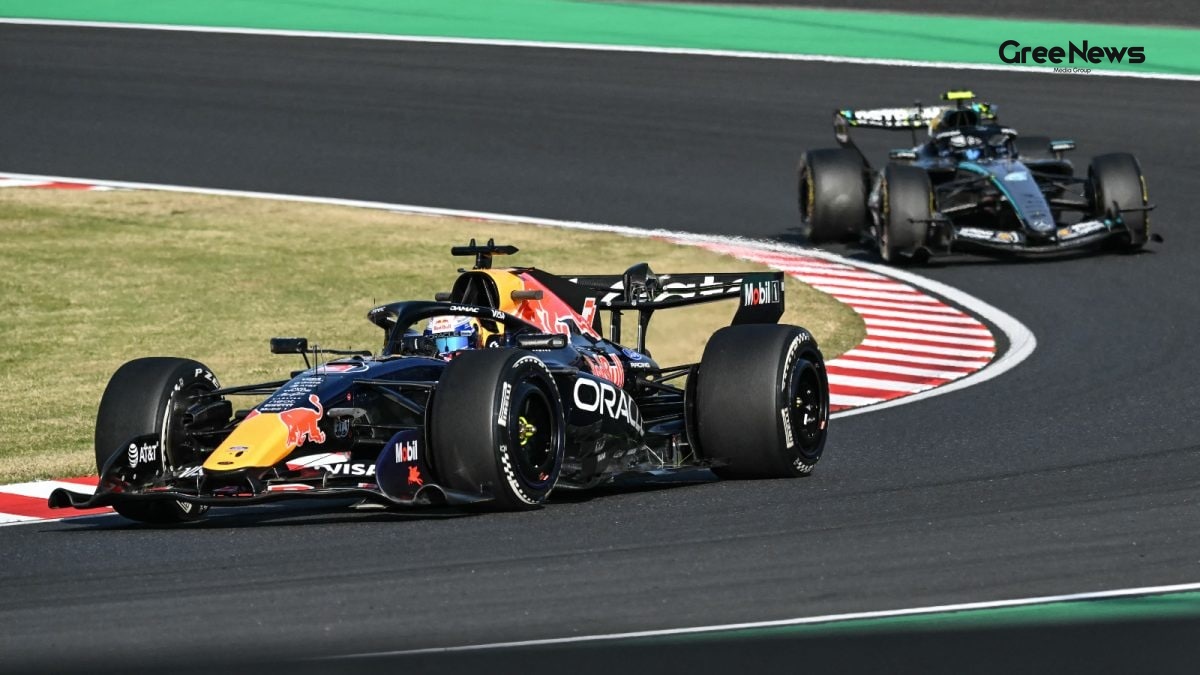
Everything was smooth sailing until the Japanese Grand Prix weekend. During practice, I saw on the screen that Kimi Antonelli and Max Verstappen were suddenly slowing down on the Suzuka circuit, looking like they had lost all power. It was a weird sight these two top drivers crawling around while the rest of the pack zipped past at full speed.
Not long after, Alex Albon from Williams suffered an outright engine failure during the race, forcing him to stop on track completely. The images were striking a sea of high‑speed machines whizzing by while a few cars became sitting ducks. The safety concerns were obvious, and many fans started questioning whether the simulated emergency shutdowns were putting other drivers at risk.
What really caught people's attention was the fact that the incidents happened right after the loophole was used a few laps earlier. It felt like cause and effect, although the teams argued it was just a coincidence. But in most cases, the perception mattered more than the reality, especially when the safety of the drivers is on the line.
Ferrari’s role and why the FIA could no longer ignore the issue
Ferrari, ever the watchdog of the paddock, raised formal concerns with the governing body. They argued that the "emergency" clause was being turned into a party trick rather than a safety feature. The message quickly became trending news India, with many pundits and fans echoing Ferrari’s stance.
When the FIA heard the complaints, they decided it was time to tighten the rulebook. The new wording makes it clear that an emergency shutdown can only be activated for genuine technical problems, not as a strategic move at the end of a qualifying lap. This effectively bans the practice that Mercedes and Red Bull Racing had been using.
It felt a bit like when a shopkeeper suddenly raises the price of a popular item because everyone started buying it the market adjusts, and the loophole disappears. In this case, the market is the rulebook, and the price hike is the stricter language added by the FIA.
What this means for the teams and the sport
Now that the loophole is closed, Mercedes and Red Bull Racing will have to look for other ways to extract marginal gains. The teams have always been at the forefront of technical innovation, so I expect them to explore other legal avenues perhaps new aerodynamic tweaks or smarter tyre strategies. The ban also sends a clear message to all other teams: the governing body is watching, and safety cannot be compromised for a few extra hundredths of a second.
From a fan’s perspective, the story has become viral news within the F1 community. It sparked heated debates on social media, with some fans calling the trick “brilliant” and others calling it “dangerous”. The discussion shows how passionate the Indian audience is about the sport we love the engineering brilliance, but we also care deeply about driver safety.
Overall, the episode adds another chapter to the ever‑evolving saga of Formula 1 regulations. It reminds us that every rule has a loophole, but the moment the loophole starts affecting safety, the FIA steps in. And that’s exactly what happened this time.
Personal takeaways why this story matters to me
Watching the whole thing unfold, I felt a mix of admiration and concern. On one hand, I love how Mercedes and Red Bull Racing engineers think outside the box it’s the kind of ingenuity that keeps the sport exciting. On the other hand, seeing Kimi Antonelli and Max Verstappen stranded reminded me that even tiny technical tricks can have huge safety implications.
It also made me realize how fast the news cycle moves in India. Within hours, the whole incident turned into breaking news, spread across every sports channel, and became a trending topic on Twitter. For someone like me who follows the sport more casually, the story was a perfect reminder to keep an eye on the technical side of things not just the race results.
Now, whenever I hear about a new regulation or a loophole being discovered, I’ll think back to this episode. It’s a reminder that the line between clever engineering and unsafe shortcuts can be razor‑thin, and the FIA’s role is to keep that line clear for everyone’s benefit.