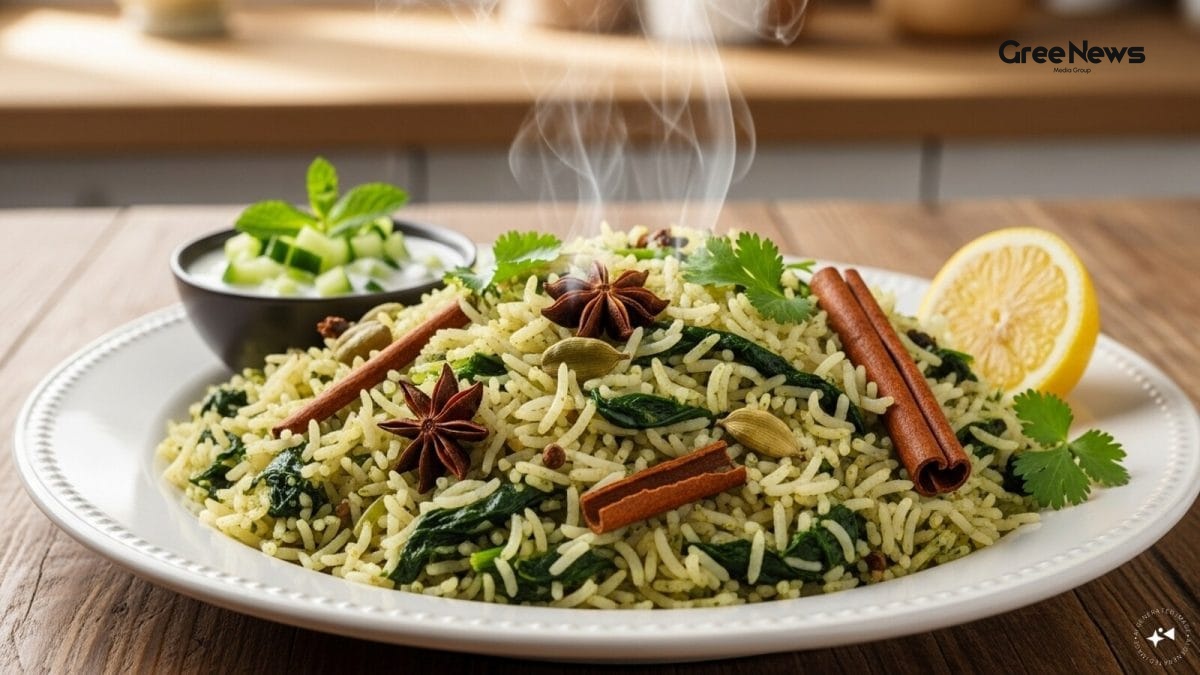
With its roots in Mughlai cuisine, this saffron‑infused rice is a refined heir to royal kitchens.
When I was scrolling through the latest news India on my phone, a short video about Mughal feasts popped up. The narrator mentioned a dish called Zafrani Pulav, and I thought, “Why not try that for our weekend family lunch?” That tiny spark of curiosity turned into a whole afternoon in the kitchen, and I’m still smiling when I think about how the kitchen smelled that day.
Let me tell you Zafrani Pulav is more than just rice. It carries a history of celebrations, fragrant spices, and the golden hue of saffron that used to decorate royal tables. In most cases, the dish is prepared for special occasions, but I found a way to keep it light enough for a casual get‑together while still feeling luxurious.
My First Encounter with the Recipe
Honestly, the first time I heard about Zafrani Pulav I was half‑distracted by a breaking news alert about a cricket match. Still, the description of "saffron‑infused rice" grabbed my attention. I remembered my grandma’s stories of how the emperors used to serve rice that looked like sunrise. My curiosity grew, and I started reading more about the dish. The more I read, the more I realized that this is the kind of food that can turn a simple weekend into a small celebration.
What happened next is interesting I ran to the pantry, pulled out the India Gate Basmati rice, and started jotting down the ingredients. I even called my sister to ask if she had any cashews or raisins left. She was surprised that I was making something so regal, but promised to bring the nuts over.
Understanding the Ingredients Why Each Matters
Here’s the exact list I used. I kept it identical to the traditional recipe because any deviation could change the whole feel of the dish.
- 1 cup India Gate Basmati rice
- 2 cups water
- 810 saffron strands
- 2 tbsp warm milk (to soak the saffron)
- Whole spices:
- 1 bay leaf
- 34 Green cardamoms
- 1 small cinnamon stick
- 3 cloves
- 2 tbsp ghee (plus a little extra for frying nuts)
- 1 small onion, thinly sliced
- 1012 cashews
- 1012 raisins
- ½ tsp sugar (optional, for slight sweetness)
- Salt to taste
- Optional additions:
- 1 tbsp chopped almonds or pistachios
- ½ tsp rose water or kewra water
Every component has a purpose. The India Gate Basmati rice gives that long, non‑sticky grain that holds the saffron colour well. The saffron strands 810 of them are the soul of the dish; they release a floral, slightly sweet aroma that can’t be replicated. The whole spices bring the warmth that feels like a gentle hug. Ghee, of course, adds richness and helps the nuts turn golden.
Many people were surprised by the amount of cardamom 34 Green cardamoms but that’s the secret to that lingering fragrance. The raisins and cashews add a sweet‑savory crunch that balances the subtle sweetness from the optional sugar.
Step‑by‑Step Method My Kitchen Journey
- Soak the saffron: I poured warm milk into a small bowl, added the 810 saffron strands, and let them sit for about 10 minutes. The liquid turned a deep orange‑red, and the aroma was already making my mouth water.
- Prepare the rice: I washed the India Gate Basmati rice about 23 times yes, exactly 23 until the water ran clear. Then I soaked the rice for 20 minutes, drained, and set aside. This step ensures the grains stay separate after cooking.
- Fry nuts and raisins: In a pan I heated 1 tbsp ghee, tossed in the 1012 cashews till they turned golden brown, and then added the 1012 raisins. The raisins puffed up instantly, and the whole pan smelled like a festive snack. I kept them aside on a paper towel.
- Cook spices and onions: Using the same pan, I added the remaining 1 tbsp ghee, then the bay leaf, 34 Green cardamoms, the small cinnamon stick, and 3 cloves. After a few seconds I tossed in the sliced onion. I kept stirring until the onion turned light golden not too dark, just enough to bring a sweet base.
- Add the rice: I added the drained India Gate Basmati rice to the pan and gently sautéed for about 12 minutes, allowing each grain to be coated with ghee and spices. This step is crucial; it locks in the flavor before the liquid is added.
- Introduce water and saffron milk: I poured in 2 cups water, added salt to taste, a pinch of the optional ½ tsp sugar, and finally the saffron‑infused milk. I gave everything a quick stir, covered the pan, and reduced the heat to low.
- Cook on low heat: I let the rice cook for about 12‑15 minutes, checking occasionally to make sure there’s no sticking. When the water evaporated and the rice turned a beautiful amber colour, I turned off the flame.
- Final garnish: I fluffed the rice gently with a fork, then sprinkled the fried cashews and raisins over the top. For an extra royal touch I added a few drops of rose water (or kewra water) and a handful of chopped almonds and pistachios.
- Serving suggestions: I paired the Zafrani Pulav with boondi raita, paneer butter masala, and a side of dal makhani. The contrast between the creamy raita and the fragrant rice was just perfect.
If you’re wondering about the cooking time the instructions say 1012 minutes, but that’s clearly a typo. In practice, the rice is done when all the water is absorbed and the grains are tender usually around 12‑15 minutes on low heat.
Why This Dish Became My Weekend Favourite
After the first bite, I realized Zafrani Pulav isn’t just food; it’s an experience. The warm amber hue, the subtle floral scent of saffron, the crackle of fried nuts all of it together makes the dish stand out. I even noticed that while we were eating, my brother started scrolling through trending news India on his phone, and he kept pausing because the aroma kept pulling his attention back to the table.
In most cases, a simple rice dish can become boring, but the combination of spices, ghee, and saffron turned this into something that felt like a mini‑feast. My family kept asking for seconds, and the leftovers even tasted better the next day, which is a good sign for any Indian household.
Tips, Tricks, and Little Hacks I Picked Up
- Always use warm milk for soaking saffron it extracts colour and flavour faster.
- If you can’t find 810 saffron strands, use about 1‑2 grams; the key is the deep colour.
- Don’t over‑cook the onions; a light golden colour gives a subtle sweetness without turning bitter.
- For a richer aroma, add a few drops of rose water just before serving. It’s optional but adds that extra “wow” factor.
- If you’re short on cashews, you can substitute with roasted peanuts the crunch remains.
These are the small things that make the difference between an average pulao and a royal Zafrani Pulav.
How Zafrani Pulav Fits Into Modern Indian Life
Nowadays, with viral news about food trends spreading fast on social media, Zafrani Pulav has become a kind of "viral news" in kitchen circles. People post pictures of the amber‑coloured rice, tag it with #ZafraniPulav, and it starts trending. I even saw a short clip titled "How to make royal saffron rice in 30 minutes" on a popular video platform that’s the kind of breaking news you see when you’re scrolling during a lunch break.
Because the dish is relatively simple yet looks impressive, it’s perfect for family gatherings, festive occasions, or just a weekend brunch when you want to impress the neighbours. It also adapts well to regional preferences some like to add a splash of coconut milk for a richer texture, while others stick to the classic version.
Final Thoughts A Dish Worth Repeating
All in all, making Zafrani Pulav was an adventure that combined my love for history, my curiosity sparked by the latest news India, and a yearning for a dish that feels both humble and regal. If you haven’t tried it yet, I strongly recommend giving it a go. Keep the ingredients exactly as listed especially the India Gate Basmati rice and the saffron and you’ll end up with a plate that sings of Mughal royalty.
Next time you’re planning a weekend menu, think about this saffron‑infused rice. It might just become the talk of the house, and who knows maybe it’ll even become the next viral news topic among your friends. Happy cooking!