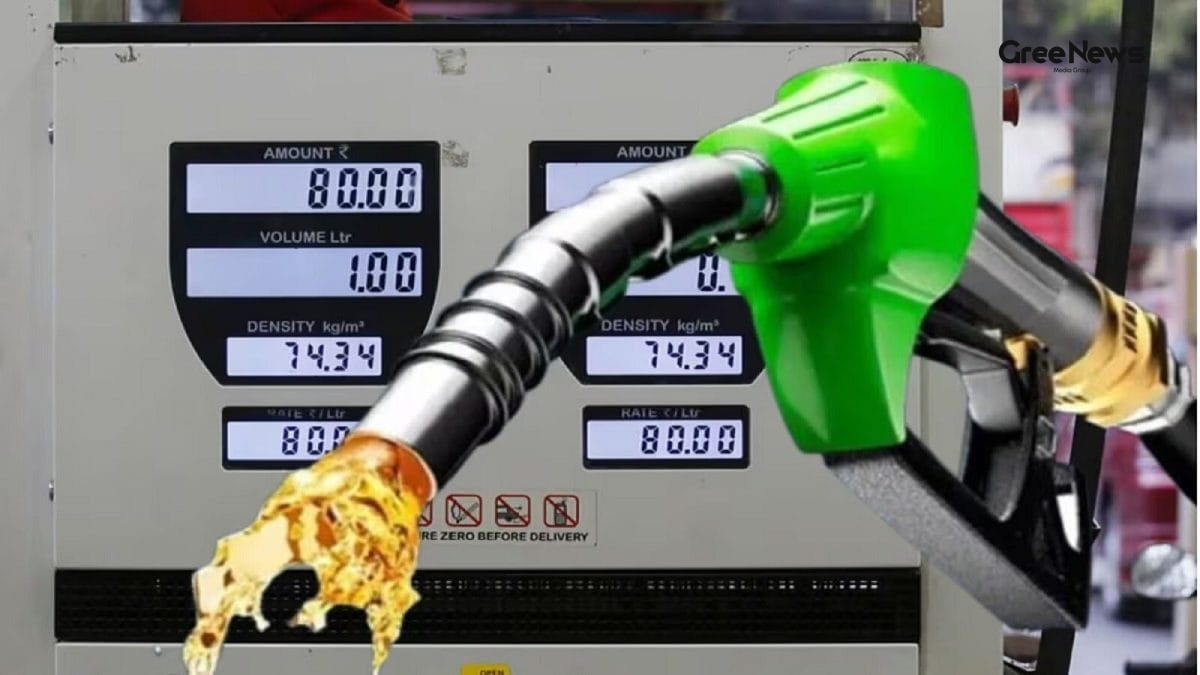
"Such news items are designed to create fear and panic amongst the citizens and are mischievous and misleading," says the Petroleum Ministry.
So, the other day I was scrolling through my X feed you know, those moments when you’re waiting for the auto‑rickshaw to drop you at the office and you spot a headline that reads something about a sudden surge in fuel prices. My first thought was, "Ah, there goes another piece of breaking news that’ll make my morning commute cost a bit more." I even imagined my brother, who runs a small dairy business, having to cough up extra cash on diesel for his van. But then I saw the official clarification from the Ministry of Petroleum and Natural Gas, and honestly, what happened next was interesting.
The ministry posted a short statement on X, stating there is *no* proposal under consideration to raise retail fuel prices. It went on to label the circulating stories as “FAKE NEWS”. In my experience, whenever a rumour like this catches people’s attention, especially on social media, the panic can spread faster than the actual news. That’s why I felt compelled to read the full statement not just to satisfy my curiosity, but to see if there was any nuance that could affect my daily expenses.
The Government’s Direct Response
According to the ministry’s post on X, the government wants to put an end to the speculation. It says, “There are some news reports suggesting a price hike of petrol and diesel. It is hereby clarified that there is no such proposal under consideration by the government.” The tone was firm, almost as if they were trying to reassure a jittery nation that the fuel prices at the pump won’t suddenly jump overnight.
They added that such reports are aimed at creating “unnecessary fear” among citizens. You know how easily fear spreads a neighbour tells you about a price hike, you tell your cousin, then the whole street starts wondering if they should refill their tanks now before the price supposedly goes up. The ministry’s message tries to stop that chain reaction in its tracks, which is quite a relief for anyone who’s budgeting every rupee.
What’s more, the ministry highlighted a fact that many of us might not realise: India is the only country where petrol and diesel prices have not increased over the last four years despite global energy volatility. That’s a big claim, and it’s rooted in the fact that the government and Oil PSUs (Public Sector Undertakings) have taken relentless steps to shield Indian consumers from steep international price spikes.
What Kotak Institutional Equities Flagged
Now, let’s talk about where the rumours originally came from. Kotak Institutional Equities, a well‑known market analyst, released a report warning that petrol and diesel prices could rise by Rs 25‑28 per litre as crude oil prices stay high. Their forecast was based on the assumption that refiners would feel pressure from the global oil market, which, if passed on to the consumer, would mean a noticeable hike at the pump.
When I first read that, I thought, “If that’s true, my weekly grocery trips will become costlier because the delivery vans will have to spend more on diesel.” I also remembered a few months back when a similar prediction made the rounds, only for the government to step in and say there was no such rise. That made me a bit sceptical about such reports, especially when they’re not backed by any official policy announcement.
In most cases, analysts like Kotak are just forecasting based on market trends. They’re not deciding policy; they’re just noting what could happen if the current trajectory continues. The ministry, however, has the final say because it controls the excise duties, taxes, and the overall pricing framework for fuel.
Why This Matters to You A Personal Take
Let me give you a little anecdote from my own life. Last year, a rumor about a diesel price hike made my uncle, who runs a small construction business, rush to fill up his truck. He spent an extra few hundred rupees that month and felt the pinch in his profit margins. When the price didn’t actually go up, he realised he had fallen prey to panic‑driven decisions. That experience stays with me whenever I hear similar news it’s a reminder to verify before reacting.
For many of us, especially those living in tier‑2 and tier‑3 cities, fuel costs form a big chunk of everyday expenses. A sudden rise of even Rs 10 per litre can add up quickly if you travel a lot. That’s why such rumors catch so much attention; they tap into a common fear of the unknown. The ministry’s clarification, in my opinion, helps to calm those nerves, at least for now.
What’s also interesting and many people were surprised by this is that the Indian government has managed to keep fuel prices stable while the global market has been as volatile as a monsoon storm. This is largely due to strategic reserves, tax adjustments, and subsidies that the government tweaks from time to time. It’s a complex dance, but the end result is that consumers like you and me don’t feel the immediate brunt of global price swings.
Connecting the Dots: Latest News India vs. Rumour Mills
When you search for the "latest news India" on your phone, you’ll see headlines flashing about everything from weather alerts to stock market moves. In the cascade of information, it’s easy for a piece of viral news to get amplified beyond its actual relevance. This incident is a perfect example of how a well‑intentioned report can morph into a trending news story that creates anxiety.
The ministry’s statement can be seen as part of the broader effort to curb misinformation. By calling the reports "misleading" and "fake", they are essentially telling the public that not everything that trends online is trustworthy. If you think about it, a lot of our daily decisions whether it’s filling up the car or budgeting for a holiday are influenced by breaking news and viral content. So, staying skeptical and waiting for official confirmations can save you a lot of unnecessary stress.
Remember the time when social media claimed a sudden hike in mobile data rates? It turned out to be a misinterpretation of a new plan rollout. The pattern repeats a news item spreads, people panic, and then the government steps in to clarify. That’s why you’ll often hear the phrase "India updates" referring not just to official pronouncements but also to the clarifications that follow.
What Could Happen Next?
Now, you might wonder, "Will this kind of speculation happen again?" The answer is probably yes. In most cases, analysts will continue to publish forecasts whenever crude oil prices wobble. The government, on the other hand, will keep monitoring the situation and stepping in when necessary. What I’m hoping for is that people will start checking the Ministry of Petroleum and Natural Gas’s official channels before reacting to every rumour. That could turn the tide against fake news.
What happened next is interesting after the ministry’s post, many users on X started sharing the clarification, adding their own comments like "good to know" and "thanks for clearing the air". The conversation shifted from fear to relief. It’s a small but powerful example of how official communication can steer public sentiment.
If the global crude market continues to be volatile, the government might still need to make strategic decisions. However, as of now, there is no proposal to raise fuel prices, and the ministry’s stance seems firm.
Practical Takeaways for Everyday Indians
- Always verify fuel price information from official sources like the Ministry of Petroleum and Natural Gas before planning a big purchase.
- Remember that a single analyst’s forecast (like Kotak Institutional Equities) is not a government policy.
- Keep an eye on reputable news portals for the latest updates rather than relying solely on viral social media posts.
- If you run a small business, consider setting aside a small contingency fund for fuel price fluctuations even if they are unlikely in the short term.
- Stay calm and discuss with your family or peers before making rash decisions based on breaking news.
These simple steps might sound basic, but they can save you a lot of worry and a few extra rupees, especially when the market chatter becomes loud.
Conclusion A Breath of Relief
All things considered, the government's swift denial of the alleged fuel price hike brings a sigh of relief to commuters, small business owners, and anyone who keeps a close watch on the petrol pump display. While the news about potential hikes made headlines and was trending in the "viral news" circles for a brief moment, the official clarification reminds us that not every piece of breaking news translates into reality.
For now, you can fill up your bike or car without the dread of an unexpected price jump. And if you ever see another headline promising a steep increase, just remember this episode check the official statements, stay calm, and maybe share the clarification with your friends to keep the panic at bay.
Until the next round of market fluctuations, let’s enjoy the fact that, despite the global turbulence, India’s fuel prices remain steady. It’s a small victory in the larger battle against misinformation, and it certainly makes daily commuting a little less stressful.