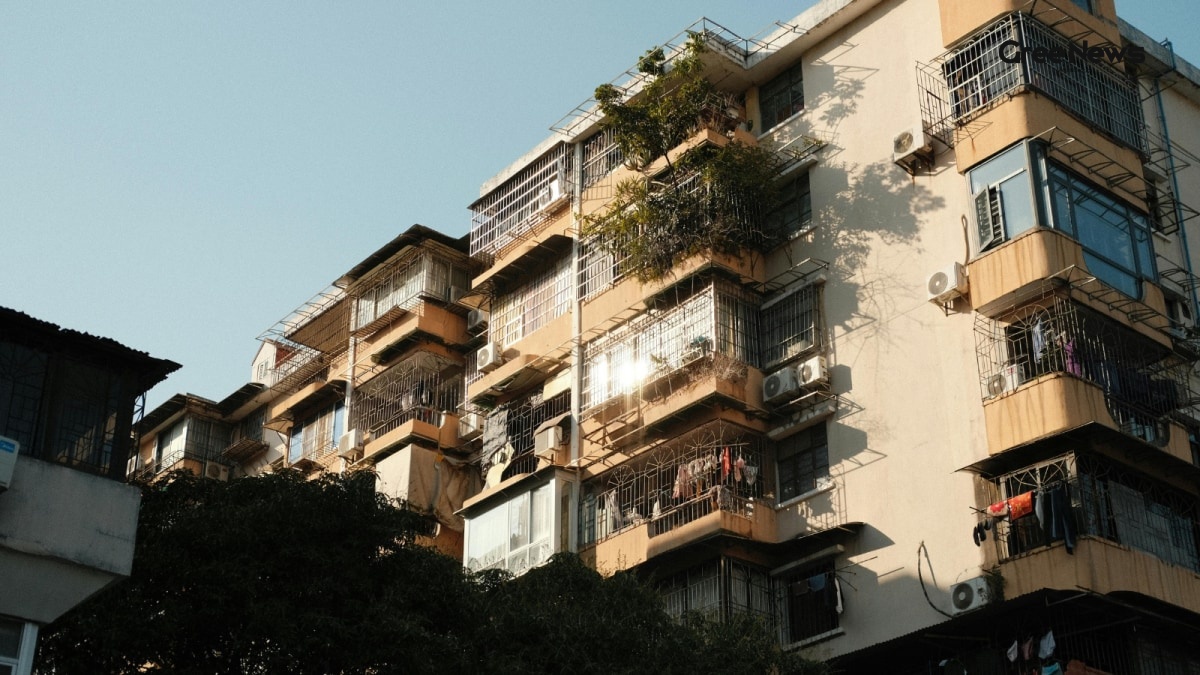
Noida resident calls his housing society a “luxury chawl” what sparked the debate?
Luxury apartments in India are usually sold as the ultimate status symbol think marble floors, sky‑high views and a slew of amenities that promise a hassle‑free lifestyle. But for one guy living in Noida, the reality feels more like a cramped old chawl than a posh condo. He posted a short video on Instagram, calling his society a “modern chawl”, and the clip quickly turned into breaking news across the country.
What happened next is interesting the video didn’t just get a few likes; it went viral, pulling in comments from everyday buyers, seasoned real‑estate agents, and even a few architects. People started sharing their own experiences of lift failures and overcrowded towers, turning a single resident’s rant into a trending news story that has now become part of the latest India updates on social media.
Inside the video the resident’s main grievances
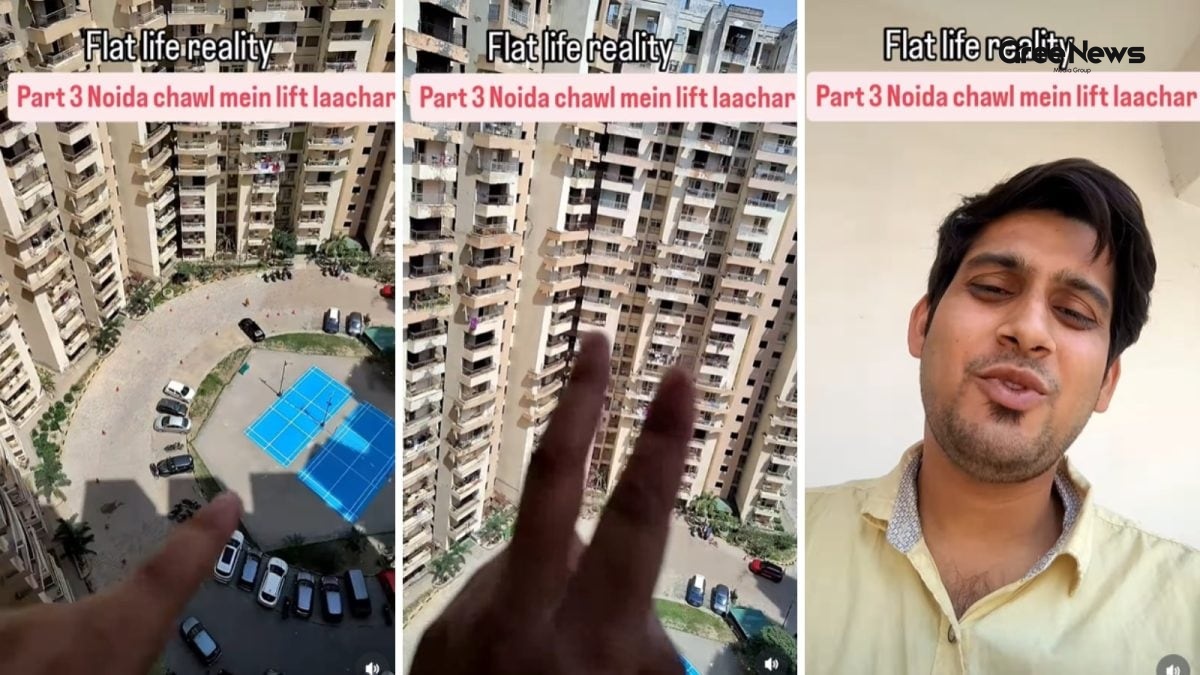
In the clip, the resident walks through his complex, pointing at the lobby, the pool, and the gym, then pauses to talk about the lifts. He says, “These are ‘luxury chawls’. The only difference from the old chawls in Mumbai or Bangalore is that you don’t have to stand in line for water. Here you queue for the lift or for a community bhandara.” He chuckles, but the irony is clear the facilities are there, but they’re barely functional for the number of people who live there.
He explains that each tower has about 175 flats, which translates to roughly 350‑400 residents per building. And yet, the tower is only equipped with two elevators. He adds, “Usually only one lift works at a time. The other is either out of service or runs for just 12 hours a day.” He then narrates a recent incident where an elevator broke down, trapping a little girl for close to 45 minutes. That anecdote really struck a chord many followers said they had lived through similar scares.
Why overcrowding is a major pain point
Overcrowding in high‑rise societies isn’t new, but the numbers here are staggering. Imagine waiting for an elevator while a whole family of five is already inside you end up spending half your morning just trying to get to the ground floor. The resident points out that the lift capacity simply can’t match the resident count. In most cases, societies plan for one lift per 100‑150 apartments, but here we see a ratio of roughly one lift for every 175 flats.
That mismatch leads to longer waiting times, especially during peak hours early mornings, evenings, and weekends when everyone is either heading to work or coming back from a gym session. The resident’s video shows a line of people waiting outside the lift lobby, some holding their grocery bags, others with kids on their shoulders, all looking a bit impatient.
Many people were surprised by this they thought that a “luxury” tag would guarantee enough shafts to keep traffic flowing smoothly. Instead, the experience mirrors what you’d see in older, budget‑friendly chawls where basic utilities are stretched thin.
Lift failures the daily horror story
Lift breakdowns in Indian societies have become almost a norm, but when you add overcrowding to the mix, the problem escalates. According to the resident, often only one elevator works at a time, and even that one is prone to glitches. He says the second lift might be operational for 12 hours, but the first is the one that people rely on for most of the day.
He narrated a fresh incident: an elevator stopped midway, trapping a small girl inside. It took about 45 minutes for the maintenance crew to get her out. The resident captured the sound of the emergency alarm and the frantic calls of the girl’s mother. The clip made many viewers gasp it was like watching a scene from a movie, but it’s happening in a real‑life building.
“You see, we have to queue for the lift every single morning,” he says, “and when it breaks, it’s a nightmare for everyone.” This simple statement, combined with the visual of a trapped child, became the core of the viral spread. In many comments, people mentioned similar lift mishaps in their own societies some even shared videos of stuck elevators, turning this issue into a broader discussion about safety standards in Noida’s real‑estate market.
Public reaction from empathy to humour
After the video went live, social media blew up with reactions. Some users called the towers “self‑imposed prisons,” while others said, “Flats were always meant for cost cutting, not for luxury living.” A witty comment read, “Sirf swimming pool aur gym dekh kar ghar nahi lena chahiye,” meaning you shouldn’t buy a home just because it has a pool and gym.
Others were more practical: “Non‑functional lifts are the major issue facing most societies in Noida.” A few netizens added humor, posting memes about waiting for lifts longer than waiting for a monsoon train. Yet beneath the jokes, there’s a genuine concern many people are actually scared of being trapped, especially with kids or elderly relatives.
These reactions turned the story into trending news India, with platforms like Twitter and Instagram buzzing about the “luxury chawl” tag. The debate even spilled onto television panels, where housing experts discussed whether developers are exaggerating amenities to lure buyers.
The bigger picture luxury labels vs. real living conditions
What makes this story more than just a local gripe is the larger trend of developers marketing projects with the word “luxury,” even when the infrastructure doesn’t back it up. In recent years, the Indian real‑estate market has seen a flood of projects promising world‑class amenities, but many lack the basic support systems needed for comfortable living.
When a developer advertises a swimming pool, a gym, and a clubhouse, they often forget to mention the lift capacity, water pressure, or the ratio of parking spaces per flat. As a result, buyers especially first‑time home‑buyers end up making decisions based on glossy brochures rather than on actual functionality.
This mismatch has been highlighted in a number of recent reports on the sector. Many buyers are now becoming more cautious, looking for transparent data on lift count, power backup, and maintenance contracts before signing on the dotted line. The resident’s video has added fuel to that fire, helping potential buyers ask the right questions.
In most cases, the hype around “luxury” can be misleading. The term should ideally mean better infrastructure, not just fancy décor. The resident’s candid description as a “modern chawl” cuts right to the chase the building may look sleek, but the day‑to‑day experience tells a different story.
What could be done? Possible solutions and suggestions
While the resident’s video brought the issue to light, many are now wondering what can be done to fix it. Here are a few ideas that surfaced in the comment section and from housing experts:
- Increase lift count: Adding at least one more elevator per tower could cut waiting times dramatically. For a tower with 175 flats, two lifts are the bare minimum, but three would be ideal.
- Regular maintenance contracts: Ensure that at least one lift is always operational. Regular checks can prevent breakdowns like the one that trapped a child.
- Transparent disclosures: Builders should clearly state the lift‑to‑apartment ratio in their brochures. This helps buyers make an informed choice.
- Resident welfare association (RWA) involvement: An active RWA can pressurise the management to fix lift issues quickly and keep the society accountable.
- Alternative vertical transport: For taller towers, a combination of lifts and stair‑case improvements (like well‑lit, ventilated stairs) can ease congestion.
Many people suggested that prospective buyers should also visit the site personally, test the lifts, and ask about the maintenance schedule before committing. In fact, after the video went viral, a few real‑estate agents started sharing check‑list sheets for buyers a practical move that might become the new norm.
Conclusion A lesson for buyers and developers alike
At the end of the day, the resident’s heartfelt rant turned out to be more than just a personal grievance. It opened up a conversation about what “luxury” really means in the Indian housing market. It reminded us that a fancy façade can’t hide everyday problems like overcrowding and faulty elevators.
Many readers, after watching the video, said they will now double‑check lift capacities before buying a flat. Developers, on the other hand, might need to rethink their marketing strategies, ensuring that promises match the on‑ground reality.
If you’re looking to buy a new home, remember the resident’s words: “Don’t fall for the pool and gym alone think about the lifts, the water supply, and the actual comfort you’ll experience every day.” This story is still trending, and we’ll keep an eye on any updates, because the fight for genuine luxury living is far from over.