A proposal has been worked out under which India Ports Global Ltd will sell its holding in India Ports Global Chabahar Free Zone (IPGCFZ) to an Iranian entity, as per a report.
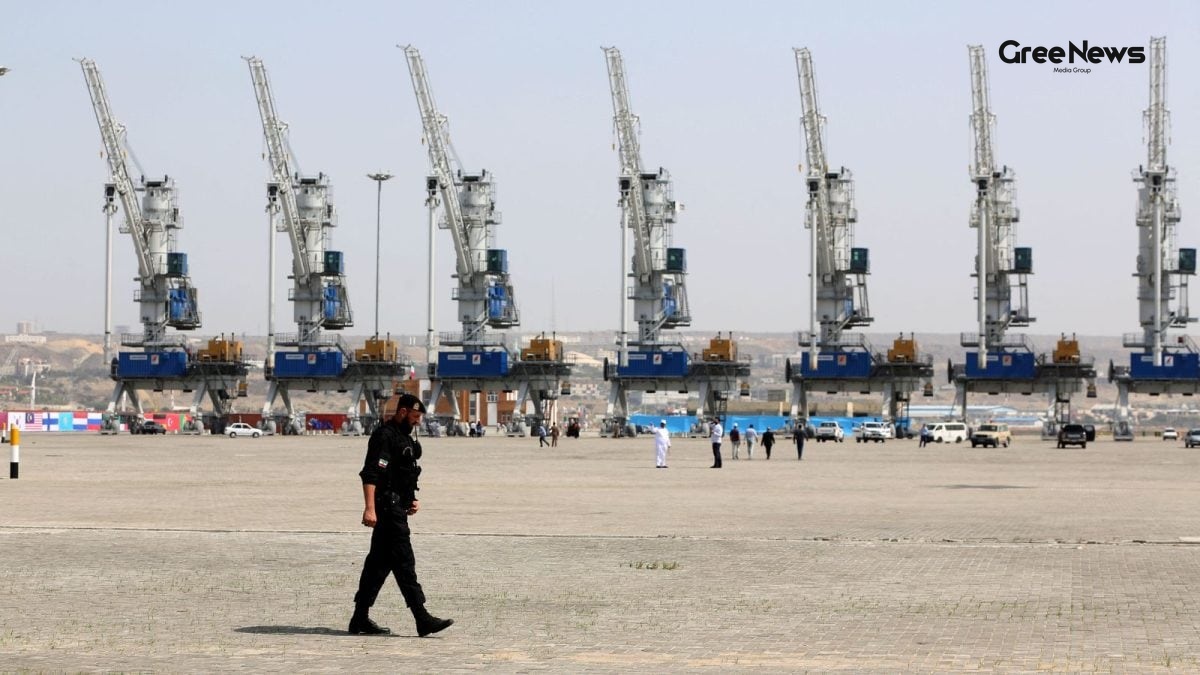
Even as the extended US sanctions waiver on India’s Chabahar Port is set to expire soon, India is preparing to divest its stake in the Chabahar Port project and transfer it to a local Iranian entity, Business Standard reported on Friday.
According to the report, a proposal has been worked out under which India Ports Global Ltd (IPGL) would sell its holding in India Ports Global Chabahar Free Zone (IPGCFZ) to an Iranian entity. The move is being considered as the current sanctions relief is set to lapse.
Why the timing feels critical
From my point of view, the timing feels critical because the United States has been signalling that the waiver could disappear any day now. When that happens, any Indian company still linked to Chabahar could suddenly find itself under the US sanction microscope. Imagine a small Indian shipping firm suddenly frozen in its overseas accounts that’s the fear many legal advisers are talking about.
What happened next is interesting. New Delhi has apparently looked at an interim arrangement where a domestic Iranian operator would manage the port during the sanctions period. The idea is that once the sanctions freeze is lifted, operational control could swing back to India Ports Global Ltd (IPGL). This kind of back‑and‑forth control is not common, and many people were surprised by this flexibility.
Background on the waiver and its history
India’s engagement at Chabahar has enjoyed US sanctions exemptions since the latter part of 2018. However, Business Standard said that the US administration later asked the Secretary of State to review or withdraw waivers that provide Iran any economic or financial relief, including those linked to Chabahar. The US State Department subsequently withdrew the original waiver last year.
According to a statement made by the Ministry of External Affairs in Parliament, the US Department of the Treasury had issued a letter clarifying that activities at Chabahar Port would remain protected from US sanctions until a certain cut‑off date last year. That guarantee, however, is now nearing its end, making the current discussion around a stake transfer all the more urgent.
Financial stakes and on‑ground realities
India has invested nearly $120 million in equipment procurement for the Chabahar project, according to the report. The port has also been used to facilitate humanitarian assistance and emergency supplies to Afghanistan. In many households across northern India, the news of such a massive investment being at risk feels like a personal concern, because the port is seen as a lifeline for trade with the land‑locked neighbour.
Last September, the United States had enforced stringent economic sanctions on Iran, while allowing India a temporary six‑month exemption for its involvement in the Chabahar port project. That brief window let India keep its ships and cargo flowing, but it also reminded us how volatile the geopolitics around the region can be.
Strategic importance beyond sanctions
In 2024, India signed a ten‑year aGreement with Iran to operate a terminal at Chabahar after years of negotiations. The port is seen as strategically important for India because it provides access to Afghanistan and Central Asia while bypassing Pakistan. It is also viewed as a counterweight to China‑backed development of Pakistan’s Gwadar Port.
Chabahar is a key node in the proposed International North‑South Transport Corridor (INSTC), which seeks to connect India with Central Asia and Russia through a multimodal trade route and reduce transit times. If the stake transfer goes through, the risk of sanctions‑related disruptions could ease, allowing the INSTC vision to stay on track.
Legal cautions and internal reviews
Business Standard further reported that the Indian government had internally examined the risks of continued involvement in Chabahar if sanctions relief was not extended. Legal experts reportedly warned that companies associated with the project could face sanctions exposure, potentially affecting India’s broader ambitions in overseas port operations.
That internal review seems to have pushed India Ports Global Ltd (IPGL) towards the stake‑transfer idea. If the proposed stake transfer is completed, sanctions‑related risks tied to the Chabahar project could ease significantly, Business Standard said.
Who does what? The corporate landscape
India Ports Global Ltd (IPGL), which operates the India‑backed terminal at Chabahar, is a wholly owned subsidiary of Sagarmala Development Corporation Ltd, now renamed Sagarmala Finance Corporation. The company is also part of the Bharat Global Ports consortium launched in early 2025 to pursue international port opportunities. IPGL additionally operates Myanmar’s Sittwe Port.
All these entities India Ports Global Ltd (IPGL), Sagarmala Development Corporation Ltd, Sagarmala Finance Corporation, and Bharat Global Ports are keeping a close eye on how the stake‑transfer plan could reshape their overseas footprint. Many industry watchers say this could become a template for future projects where sanction pressures loom.
What could the future hold?
Looking ahead, the biggest question is whether the United States will grant a fresh waiver or let the existing one run out. If a new waiver arrives, India Ports Global Ltd (IPGL) could simply retain its stake and continue operating as before. If not, the stake‑transfer to an Iranian entity could become the safest route.
For ordinary citizens, this whole saga feels like a piece of breaking news that could affect everything from the price of goods coming from Central Asia to the availability of humanitarian aid to our neighbours. That’s why the story has quickly turned into viral news across social platforms people are sharing their thoughts, posting memes, and even debating the geopolitics over a cup of chai.
In most cases, the outcome will hinge on diplomatic talks that happen behind closed doors. Yet, the very fact that India is willing to shift its stake shows a pragmatic approach keep the strategic benefits while sidestepping the sanction risk. It’s a delicate balance, and many are watching closely to see how it plays out.
Conclusion: Balancing strategy and risk
To sum it up, the proposed transfer of India Ports Global Ltd (IPGL)’s stake in India Ports Global Chabahar Free Zone (IPGCFZ) to an Iranian entity reflects India’s attempt to guard its strategic interests while navigating complex sanction regimes. The move could safeguard the $120 million investment, keep the humanitarian lifeline open, and preserve the port’s role in the INSTC.