What’s happening in Athens? A personal glimpse into the city’s tourist rush
So, I was scrolling through the latest news India portal the other day, and I stumbled upon a story about Athens that instantly caught my eye. It felt a bit like reading about a neighbour’s bustling market you can almost hear the chatter, see the crowds, and feel the heat of the sun on the marble steps. The headline read, “We Are Not A Giant Hotel,” and I thought, “What on earth does that even mean?” Turns out, the Greek capital is grappling with a wave of tourists that’s making the historic centre feel more like a giant accommodation hub than a city.
Honestly, I’ve never been to Athens, but I’ve heard friends talk about its narrow streets, ancient ruins, and the ever‑present smell of souvlaki. The idea that the city is now worrying about overtourism felt both surprising and oddly familiar think about how our own popular spots in India get jammed during festivals. The story felt like a breaking news piece that also carried a personal “hey, this could happen anywhere” vibe.
The numbers that are making the mayor raise the alarm
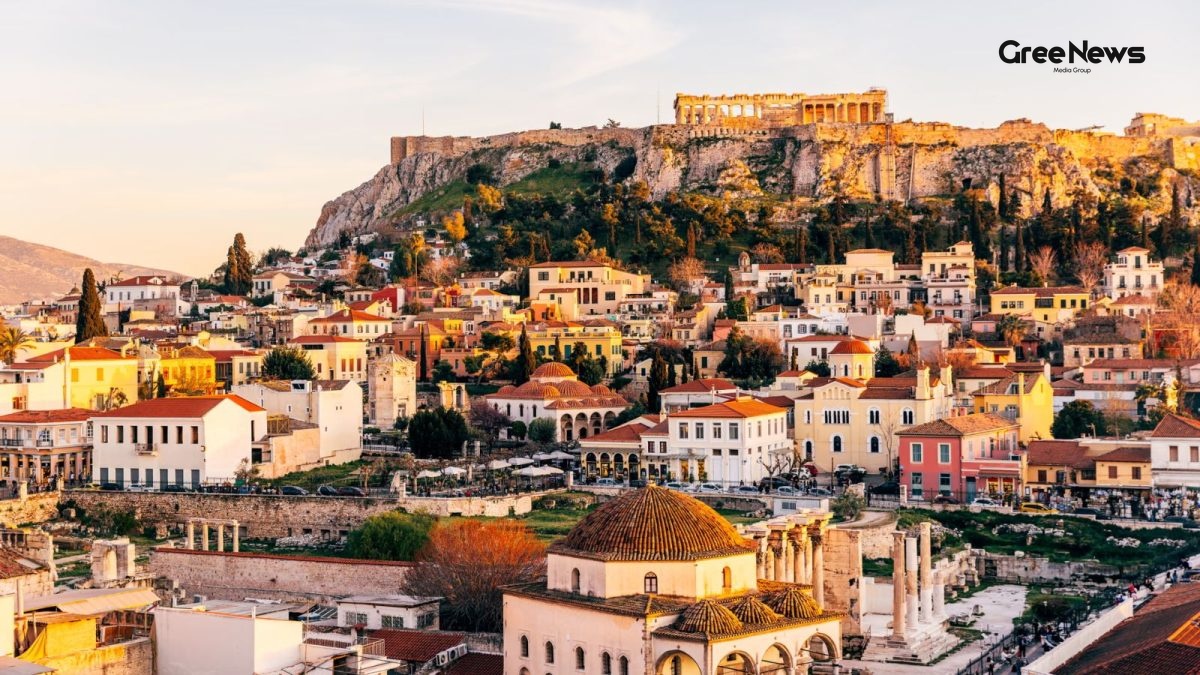
Mayor Haris Doukas, who once taught climate and energy before stepping into politics, has been sounding the siren. He says Athens recorded more than eight million visitors last year. To put that in perspective, it’s like every single resident of Karnataka plus a big chunk of tourists from the rest of the country walking into the city at the same time. The growth isn’t just about day‑trippers either short‑term rentals in neighborhoods like Plaka (right underneath the Acropolis) have more than doubled since 2018. That kind of surge is what city officials call “over‑saturation.”
What happened next is interesting the mayor started likening the city to a massive hotel, something that can’t just keep taking rooms without fixing the plumbing. He actually said, “Athens cannot operate as if it were a giant hotel.” The phrase stuck with me because it’s a blunt way of saying our heritage sites are being treated like hostel corridors. The tone was certainly not just a policy memo; it felt more like a neighbour warning you not to throw a big party every weekend.
Why the tourists’ footprints matter to locals
Now, you might wonder why this matters to someone living in the city. Picture this: you live in a cosy apartment in Plaka, which used to be a quiet enclave with a local bakery, a small tea stall where the owner knows your name, and kids playing in the lane. Over the last few years, those narrow streets have become scenographic backdrops for tour groups. Guides shout “over here!” and entire families move in a line, making it hard to squeeze a quick grocery run.
What’s more, the rise of short‑term rentals has driven rents up. Many Athenians are being pushed out of the centre because they simply can’t afford the new rates. It’s a bit like when we see Airbnb listings flood up in Goa or Jaipur and the locals find themselves priced out of their own neighborhoods. This trend is not just an economic issue it threatens the cultural fabric. The aroma of home‑cooked food, the chatter in the local dialect, even the rhythm of daily life gets altered when the streets are filled with rotating crowds.
Infrastructure under strain the city’s response
Mayor Doukas explained that Athens is trying to keep up by upgrading electricity networks, water supplies, drainage, and digital infrastructure. Imagine trying to power a city of 700,000 residents plus millions of visitors the load is massive. While construction crews are busy fixing old pipes and laying fiber optics, the everyday commuter often finds themselves stuck in traffic or dealing with intermittent water pressure.
In most cases, the city’s upgrades are reactive rather than proactive. The mayor’s academic background in climate has made him particularly aware of how these changes affect sustainability. He stresses that the city must balance the needs of its residents with the demands of tourism. It’s like trying to manage a big family dinner where some guests keep arriving uninvited you need a plan to keep the kitchen from burning down.
Possible restrictions what could change?
One of the big ideas on the table is stricter regulation of short‑term rentals. The mayor wants the city to have a stronger hand in deciding how many new rentals can pop up in historic areas. The thought is, if you limit the number of “temporary homes,” you preserve space for locals and keep the character of neighborhoods intact.
Another angle is controlling the size of tour groups. Some European cities have introduced caps on how many people can visit certain sites at once, and they require guides to be licensed. Athens could follow suit, making sure that a group of ten doesn’t turn a quiet alley into a bustling marketplace. This sort of rule could also spread economic benefits more evenly, allowing smaller family‑run businesses to survive.
There’s also a push for better revenue sharing. If tourism taxes are collected and funneled directly into local services think street cleaning, waste management, or even scholarships for local students residents might see a tangible benefit. That would make the idea of welcoming tourists a bit less of a sacrifice and more of a partnership.
How this story ties into broader viral news and Indian context
In India, we’ve seen similar debates in places like Goa, Manali, and the coastal towns of Kerala. The pattern is the same: an influx of visitors, rising rents, and a fight over who gets to stay in the beloved lanes. The fact that this story is now making its way into trending news India shows that overtourism is not just a European problem; it’s a global conversation. Even the India updates portals are picking up on how major cities worldwide are re‑thinking tourism models to protect heritage and locals alike.
What many readers didn’t expect and what many were surprised by is how similar the challenges are, whether you’re talking about the streets of Athens or the ghats of Varanasi. The underlying issue is the same: preservation versus profit, authenticity versus accessibility. This shared dilemma makes the Athens story feel like a mirror for our own tourist hotspots.
What I think a personal take
Honestly, reading about Athens has made me think twice about my own travel plans. I love seeing historic sites, but I also hate the thought of contributing to a scenario where locals can’t afford their own homes. The mayor’s message “we are not a giant hotel” stuck with me because it’s a reminder that cities are living organisms, not just backdrops for photographs.
If the new rules go through, I hope they set a decent example for other places. Maybe we’ll see a balance where tourists can still enjoy the Acropolis without feeling like they’re in a crowded mall, and locals can keep their neighborhoods thriving. The story also teaches us that even a city steeped in ancient history must evolve its policies to stay relevant in the modern world.
So, next time you plan a vacation, think about the impact of your visit. Ask yourself am I just a fleeting guest, or am I part of a responsible travel community? That’s the kind of reflection that makes travel meaningful, and it might just help places like Athens keep their soul intact.