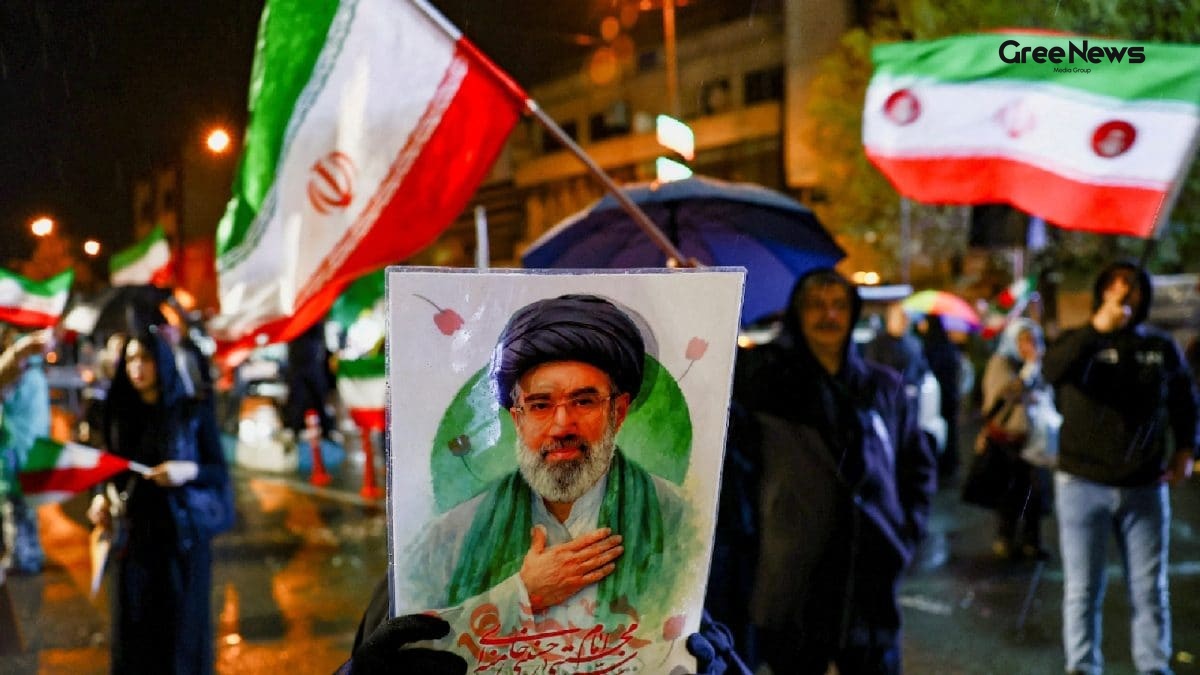
Mojtaba Khamenei had reportedly set a red line, instructing officials not to discuss the nuclear issue with the United States during war negotiations.
When I first came across the story of a secret missive sent to Mojtaba Khamenei, I thought it was just another rumor in the swirl of breaking news. But as I dug deeper, the details kept getting stranger, and honestly, I was hooked. The letter warned that Iran’s economic situation had become "severe and unsustainable" a phrase that sounded eerily similar to the daily headlines we see about soaring inflation and fuel shortages in many parts of the country. What caught people’s attention was the fact that the memo wasn’t meant for the public at all; it was a private note addressed directly to Mojtaba Khamenei.
What happened next is interesting the document supposedly carried signatures from some of the most senior figures in Tehran’s hierarchy. Mohammad Bagher Ghalibaf, President Masoud Pezeshkian, Foreign Minister Abbas Araghchi and Mostafa Pourmohammadi were all listed as having signed. At the same time, there were reports that Ali Bagheri Kani refused to attach his name, and his name later appeared in scattered discussions within political circles. This mix of signatures and refusals made the leak look less like a simple clerical error and more like a crack forming inside the leadership.
Secret letter to Mojtaba raises concerns
The core of the controversy revolves around that confidential letter. I remember reading that the memo stressed Iran’s dire economic condition and hinted that a serious engagement with the United States over the nuclear issue might become unavoidable. The tone was urgent, as if the writers were trying to warn Mojtaba Khamenei that the country could not afford to stay isolated any longer.
In most cases, such internal documents stay locked away, but the story took a dramatic turn when the letter allegedly leaked beyond the restricted circle. Suddenly, the names of Mohammad Bagher Ghalibaf, President Masoud Pezeshkian, Foreign Minister Abbas Araghchi and Mostafa Pourmohammadi were being discussed in cafes and on social media. The leak prompted a strong reaction from Jalil Mohebbi, the aide of Mohammad Bagher Ghalibaf, who warned on social media that anyone who disclosed a classified government letter could face up to ten years in prison under Iranian law. He described the offence as "unforgivable" a phrase that resonated with many of us who know how seriously Iran treats state secrets.
In the tweet, Jalil Mohebbi quoted the law verbatim, saying that any person who shows a classified letter to anyone outside the meeting members would be sentenced to ten years. The legal language, though formal, felt chilling when put in the context of a political leak that could expose internal disaGreements.
Trump’s claims and Tehran’s response
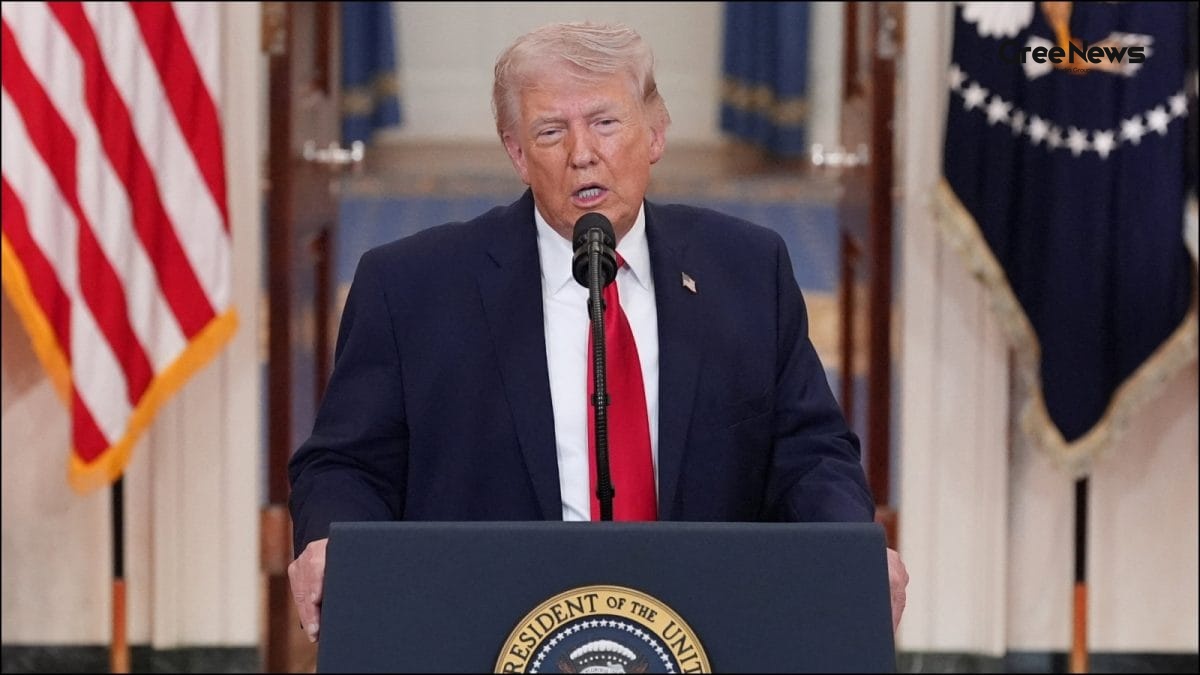
Just when the story seemed to be settling, former President Donald Trump entered the fray, claiming that Iranian officials were "fighting like cats and dogs" over the negotiations with Washington. That accusation instantly sparked a wave of responses from the Iranian leadership.
Mohammad Bagher Ghalibaf was quick to dismiss Trump’s narrative. He said there were no divisions, adding, "In Iran there are no hardliners or moderates. We are all Iranian and revolutionary." It was a bold statement, especially because it came at a time when the secret letter was already circulating. Masoud Pezeshkian echoed a similar message, stressing unity and loyalty to the nation. Judiciary chief Gholam‑Hossein Mohseni Ejei went further, calling the idea of factions "absurd and baseless".
Many people were surprised by how uniformly the officials responded, but the persistence of the secret letter in the public domain suggested that the unity they proclaimed might be more about public perception than internal reality.
Nuclear talks at the centre
The disputed nuclear negotiations are at the heart of the whole episode. Before the talks started, reports say Mojtaba Khamenei had set a red line, instructing officials not to discuss the nuclear issue with the United States. Yet, as the negotiations progressed, it became clear that the nuclear question could not be ignored it was the core of any serious dialogue with Washington.
This situation apparently riled hard‑liners. Mahmoud Nabavian, a Member of the Islamic Consultative Assembly of Iran, said the negotiating team had made a "strategic mistake" by going against the Leader’s instructions. He added that even if the naval blockade were lifted, negotiations with the US should not take place. Amir Hossein Sabeti made a similar claim, stating that discussing the nuclear issue crossed a clear red line set by Mojtaba Khamenei.
The media also picked up the story. Nour News, linked to the Supreme National Security Council, warned that a "dangerous current" was trying to portray some officials as favouring "surrender and compromise". The language used by Nour News hinted that the disaGreement had moved from a private memo to a public battle for narrative control.
Experts quoted by Iran International compared the current tension to a pivotal moment in Iran’s history the 1988 episode when senior officials warned Ruhollah Khomeini that the Iran‑Iraq war could not continue. Khomeini eventually accepted a UN resolution and ended the conflict, describing it as a painful decision. That analogy suggests that the secret letter and its fallout might be a turning point for Iran’s current policy crossroads.
Public messaging versus internal reality
Despite the secrecy, Iran’s public messaging continues to stress unity. The official statements from Mohammad Bagher Ghalibaf, President Masoud Pezeshkian and Judiciary chief Gholam‑Hossein Mohseni Ejei keep emphasising that there are no factions, that everyone is "Iranian and revolutionary". Yet, the sequence of events the secret letter, its leak, the legal threats from Jalil Mohebbi and the harsh criticism from hard‑liners points to deep disaGreements within the leadership.
For me, watching the story unfold on the latest news India feeds felt like watching a thriller where every new piece of information raised more questions. How much of the unity we see on television is orchestrated? Can Iran survive its economic crisis without a nuclear deal, or will it eventually have to bend the red line set by Mojtaba Khamenei?
What’s clear is that the internal debate is not just about politics; it’s about the everyday lives of ordinary Indians who watch these developments and wonder how they might affect regional stability, oil prices and even the global economy. The secret letter to Mojtaba Khamenei may remain classified, but the ripple effects are already being felt in the corridors of power and the living rooms of India’s middle class.