Never To Be Brought Back: Donald Trump’s “Civilisation Will Die” Warning to Iran and the Prospect of Total Infrastructure Warfare
While the language is apocalyptic, analysts see a shift toward total infrastructure warfare
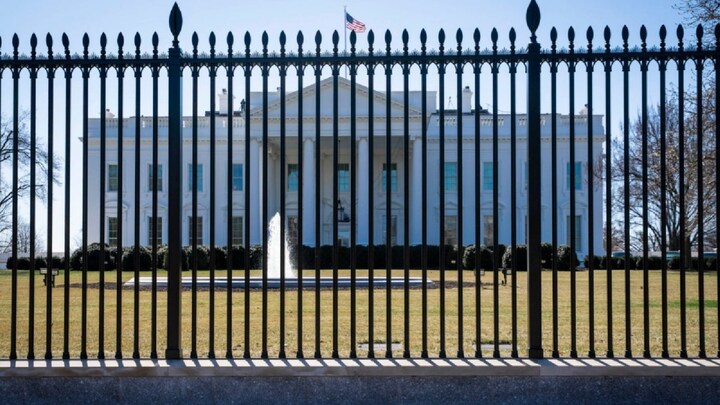
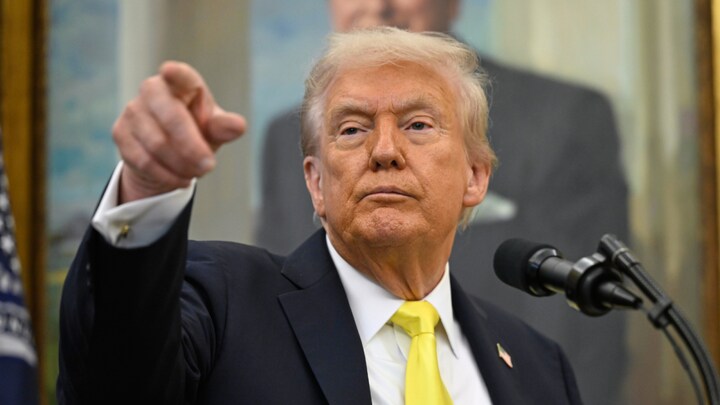
The conflict known as the “Spring 2026” war has entered a phase that feels almost existential. In a post on Truth Social that quickly circulated across global capitals, Donald Trump delivered a warning that has been described as the most severe to date. The message read: “A whole civilisation will die tonight, never to be brought back again. Donald Trump does not want that to happen, but it probably will.” This statement arrived just before the deadline for Iran to reopen the Strait of Hormuz, a critical maritime chokepoint.
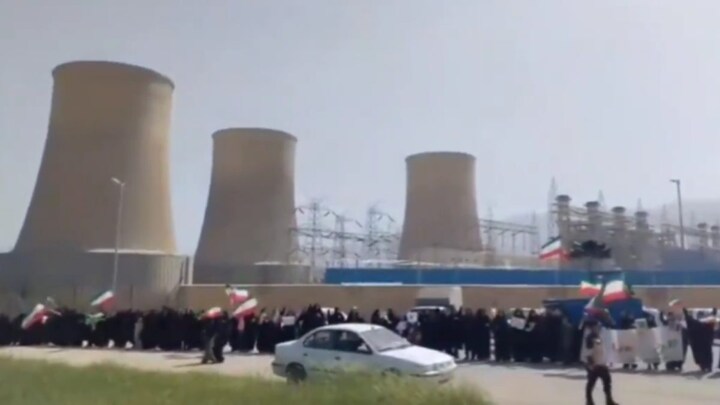
The tone of the proclamation suggests that the confrontation has moved beyond naval skirmishes or limited tactical leverage. With oil markets reacting sharply and Iranian officials calling for citizens to form human chains around power-generation facilities, the international community is forced to consider what a phrase like “dying tonight” truly means for a nation of approximately 85 million people.
Interpretation of the “whole civilisation” warning
Although the language appears apocalyptic, military specialists argue that Donald Trump is pointing to a transition toward what is being called total infrastructure warfare. For several weeks, the United States and Israel have carried out precise strikes targeting Islamic Revolutionary Guard Corps command centres and key transport nodes such as the B1 Bridge and Kharg Island. The upcoming deadline, however, marks a potential pivot toward a systematic dismantling of Iran’s entire civilian support network.
Donald Trump has explicitly threatened to eliminate “every bridge and every power plant” within Iran’s borders. In Donald Trump’s view, removing electricity, water‑desalination capacity, and transport arteries would effectively reset Iranian society to a pre‑industrial condition, thereby “killing” the modern civilisation that has existed since the 1979 Revolution. The objective, as understood by analysts, is to render the country functionally uninhabitable for the current administration, thereby forcing a complete regime change.
The strategy relies on crippling the backbone of daily life: power grids, water supplies, and transportation corridors. By denying these essential services, the expectation is that public order would collapse, creating pressure from within to relinquish power. This approach mirrors previous campaigns where the degradation of critical infrastructure precipitated political concessions.
Is there a nuclear dimension hidden beneath the rhetoric?
The phrase “never to be brought back again” has inevitably ignited concerns about a potential nuclear escalation. Official statements from the White House maintain that the contemplated operations involve massive conventional ordnance. Yet the sheer scale of the threatened devastation has kept a nuclear shadow lingering in strategic discussions.
During a recent press briefing, Donald Trump suggested that the entire country could be “taken out in one night,” a timeline that traditionally aligns more closely with nuclear strike capabilities than with conventional sortie cycles. This juxtaposition has led observers to wonder whether the language is deliberately crafted to heighten psychological pressure on Tehran.
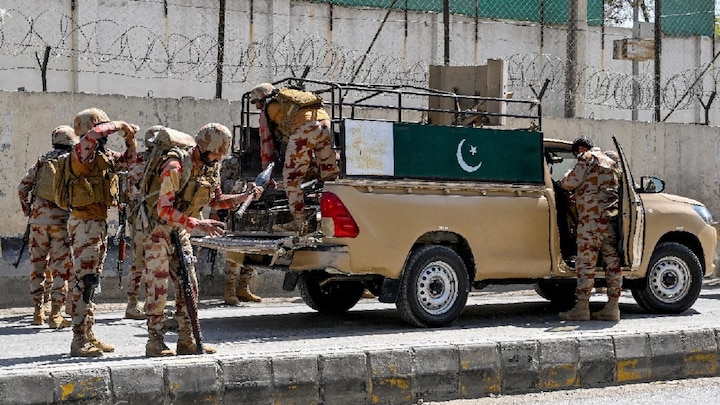
Many defence analysts contend that Donald Trump is employing nuclear‑adjacent rhetoric as a tool of psychological warfare. By framing the upcoming night as a potential civilisational endpoint, Washington aims to compel Iranian negotiators, situated in Islamabad, to accept a “15‑point” peace plan without actually resorting to nuclear weapons. The ambiguity surrounding the threat serves as a cornerstone of the “maximum pressure” doctrine, which relies on the fear of overwhelming force to extract concessions.
While the nuclear option remains officially off the table, the strategic use of language that evokes existential annihilation functions as a lever to accelerate diplomatic movement. The calculus appears to hinge on forcing a rapid decision under the belief that the cost of non‑compliance would be catastrophic.
Iranian reaction to the existential threat
The Iranian Foreign Ministry has, in turn, warned the United Nations of the risk of radioactive contamination should strikes continue near the Bushehr nuclear facility. This warning underscores the heightened sensitivity surrounding any potential damage to nuclear installations and amplifies the stakes of the ongoing standoff.
As the deadline for Iran to reopen the Strait of Hormuz approaches, the “Spring 2026” war appears poised at a decisive juncture. Whether the night brings a diplomatic breakthrough described as “revolutionarily wonderful” or results in the literal dismantling of a nation’s infrastructure, the ramifications will echo through the global order for years to come.
Observers note that the outcome will likely redefine the parameters of modern conflict, especially regarding the role of infrastructure as a decisive lever in geopolitical contests. The tension between conventional and unconventional means of coercion, as illustrated by Donald Trump’s stark warning, may signal a broader shift in how great powers seek to compel adversaries without crossing the nuclear threshold.
In the meantime, energy markets continue to react to the unfolding situation, with oil prices fluctuating in response to both supply concerns and the perceived risk of a wider escalation. International actors watch closely, weighing the potential consequences of a full‑scale infrastructure collapse against the strategic benefits of a negotiated settlement.