Why Gen Z Is Ditching Time‑pass on Dating Apps
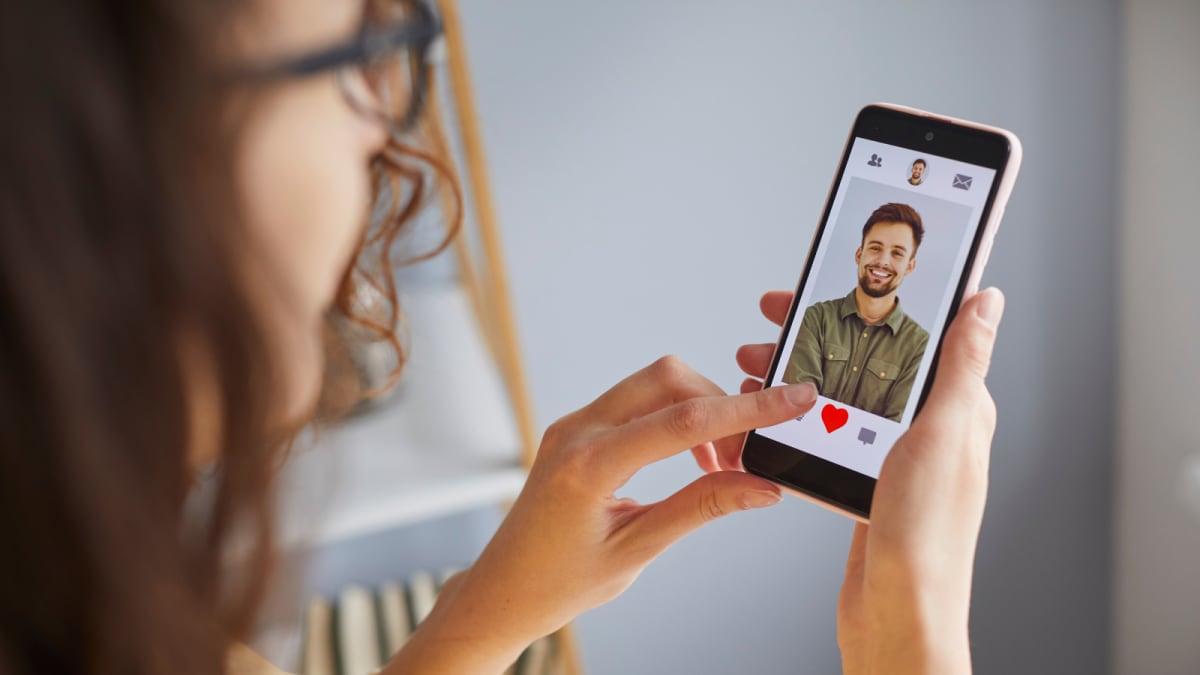
When I first started swiping a few years back, most profiles looked like a comedy routine. You'd see things like “Here for a good time, not a long time,” or “Fluent in memes.” It was all jokes, sarcasm, and a vague “let’s see where this goes.” That style still exists, but nowadays the whole vibe has shifted. Instead of trying to be funny, many people are now writing straight‑forward, almost sincere sentences about what they want. Phrases like “Dating with purpose,” “Looking for something meaningful,” and “Open to real connections” have become the norm.
Honestly, it felt refreshing when I saw a profile that said, “Not here for time‑pass. Let’s talk real goals.” It was like a breath of fresh air amidst the usual fluff. The change isn’t just about wording; it signals a deeper desire among young Indians to use these platforms for self‑exploration as well as partnership.
Personal Story: Priya Khatri’s Swipe of Hope
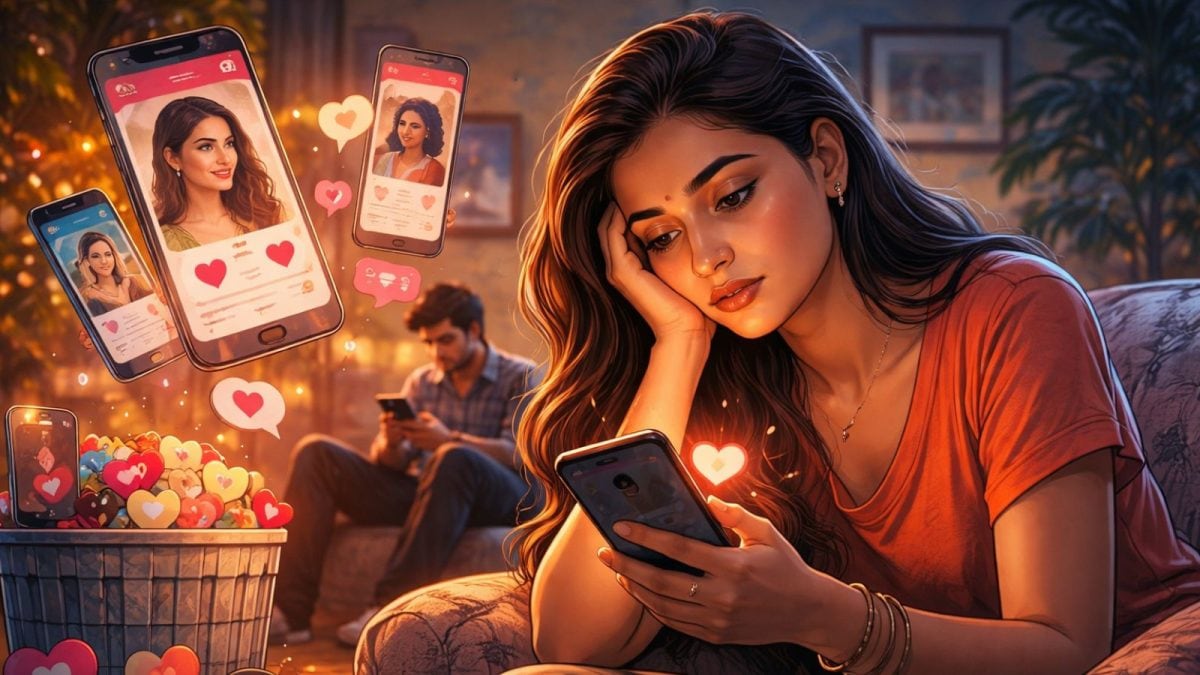
Take Priya Khatri, a 25‑year‑old software engineer from Gurugram. She’s been on dating apps for close to two years now. Priya told us that after a while scrolling through endless bios, everything started to feel the same – “Most of them promised ‘just vibes and good times’,” she says, shaking her head. Then she saw a profile that read, “Not here for time‑pass. Let’s talk real goals.” That line made her pause, smile, and double‑tap like never before. For the first time in months, the swipe didn’t feel like just another habit; it felt like a possible real connection.
Priya isn’t an isolated case. Across Tier‑1 cities like Delhi, Mumbai, Bangalore and even Tier‑2 spots such as Kochi and Pune, a similar pattern is emerging. Young people are growing tired of ambiguity and are intentionally reshaping how they present themselves online.
What The Numbers Say: The QuackQuack Intent Clarity Report 2026
According to the latest Intent Clarity Report 2026 from QuackQuack, a whopping 57% of daters between 24 and 35 said they no longer treat dating apps as a playground. Instead, they log in with a clear purpose – to explore genuine connections, be it romantic or platonic. The survey covered 10,475 active daters from major Indian metros – Bangalore, Hyderabad, Mumbai, Delhi, Kochi, Pune, Ahmedabad and several others. The data shows a decisive move away from casual “time‑pass” usage towards more meaningful interaction.
These findings highlight that Gen Z and Millennials are not just looking for a quick chat; they are using these platforms as a space for self‑discovery, emotional growth, and serious partnership building. It’s a shift from treating the app like a game to treating it like a tool for personal development.
The Rise of Honest Dating Bios
For years, dating apps were thought of as a casual hangout – quick chats, fleeting flirtations, occasional relationships. QuackQuack’s data now tells a different story. More than half of respondents claim they are intentionally seeking meaningful connections. The emphasis isn’t only on romance; many users say they are also looking for friendships and emotionally compatible companions.
Ravi Mittal, founder and CEO of QuackQuack, puts it simply: “Dating apps are increasingly turning into a safe space where young users not only find their perfect partner but also find themselves.” He adds that users now tend to be more self‑aware, expressing their emotional and relationship needs early on, sometimes even spelling them out in the bio. This early clarity, according to Mittal, isn’t meant to be demanding; it’s about avoiding confusion later.
The report also reveals that 36% of users aged 20‑30 openly mention unresolved personal issues or emotional concerns in their bios. Instead of clever taglines, you’ll see reflections like “Working on my confidence, looking for someone supportive,” or “Healing from a past breakup, hoping for a gentle heart.” Such openness might feel surprising in a world where curated images dominate, but for many it has become a powerful filter.
Are Young Indians Suffering From Dating Fatigue?
Another interesting trend is the shortening gap between online chats and real‑world meetings. The report says 28% of respondents prefer to move the interaction offline sooner rather than later if a match shows promise. In fact, six out of ten users meet a potential partner within the first month of chatting. This suggests that the so‑called “dating fatigue” is pushing people to prioritize compatibility and genuine conversation over endless texting.
Kaushik Banerjee, founder and CEO of the matchmaking platform Flutrr, believes this reflects a broader cultural shift. He says young people now value emotional understanding, shared values and cultural compatibility more than just the excitement of endless swiping.
For many, it’s about quality over quantity – a handful of meaningful connections are preferred to a long list of superficial matches.
The “First‑Week Checkpoint” – Deciding Fast
One term that kept popping up in the study is the “First‑Week Checkpoint.” Among the 5,345 respondents who talked about their dating approach, around seven in ten said they decide within the first week whether a connection is worth pursuing emotionally. This isn’t a rigid checklist but more of a natural conversation flow where topics like lifestyle, personal values, long‑term expectations and daily routines come up early.
Aditya, a 28‑year‑old lifestyle vlogger who participated in the study, shared that this process saved him from many “situationship” limbos. “Having that early clarity has kept me from getting tangled in undefined relationships,” he says. In practice, if the vibe isn’t right, many users are comfortable stepping away after a few days instead of dragging the conversation on indefinitely.
Culture, Language, and Music – The New Ice‑breakers
Beyond what’s written in a bio, the way people start conversations has also evolved. Flutrr’s survey shows that 82% of respondents prefer expressing romantic feelings in their mother tongue rather than English. For many, saying “Main tumse baat karna chahta/chahti hoon” feels more authentic than a bland “Hey, what’s up?”
Music, too, has become a major bridge. Around 60% of participants say sharing a song, lyric, or a short playlist helps break the ice better than a generic Greeting. You’ll now often see first messages like “This song reminds me of the monsoon evenings in Chennai – what do you think?” Such cultural references give a quick glimpse into personality, humour and emotional sensibility.
These trends highlight how Indian digital culture – with its love for language, music and shared memories – is shaping modern dating etiquette.
What All This Means for the Future of Dating in India
Putting everything together, the data paints a picture of subtle but significant evolution. Young Indians are not abandoning dating apps; they are redefining their purpose. Instead of being endless catalogs of faces, these platforms are turning into tools that help identify emotional compatibility. Profiles sound more reflective, conversations more intentional, and expectations clearer.
The swipe is still there, but the meaning behind it is changing. For a generation navigating relationships in a heavily digital world, finding someone on the same emotional wavelength matters more than just the number of matches. In a way, the shift towards honest bios, clear intent, and real chemistry is helping create a dating culture that feels more genuine, less exhausting and ultimately, more rewarding.