What triggered the buzz?
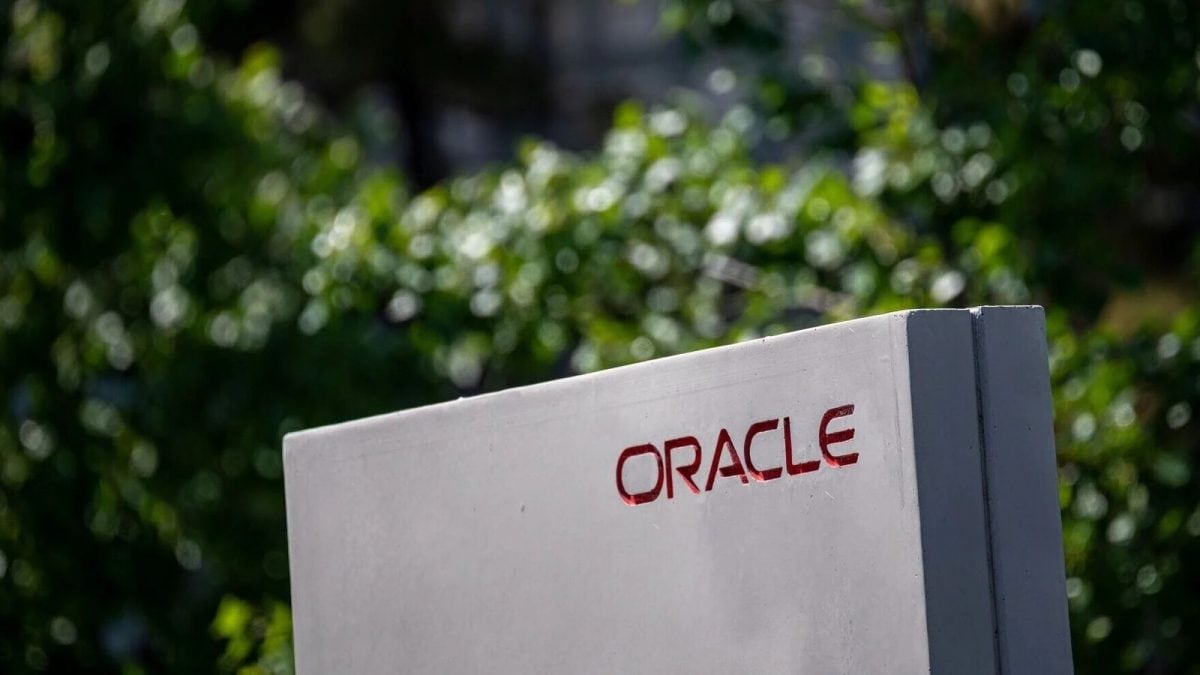
When I was scrolling through my LinkedIn feed this morning, I saw a post about Oracle Corporation letting go of a huge chunk of its workforce. The post said people were getting termination emails at 6 am, which, honestly, felt a bit harsh. Then, right after that, a news alert popped up about Oracle Corporation naming Hilary Maxson as the new chief financial officer with a $26 million equity grant. That combination of mass layoffs and a massive pay package for a fresh CFO made the story instantly become breaking news for many of us who keep an eye on the latest news India. It’s the kind of thing that quickly turns into viral news, because who doesn’t wonder why a company would spend big on a new executive while cutting jobs?
Details of the $26 Million Equity Grant
The regulatory filing from Oracle Corporation showed that Hilary Maxson, who is 48 years old, has been hired from Schneider Electric where she was the group CFO. Before that, Hilary Maxson held senior roles at AES Corporation. The compensation package Oracle Corporation offered includes a base salary of $950,000 and a performance‑linked bonus that could reach $2.5 million. But the headline figure is the $26 million equity grant under Oracle Corporation’s long‑term incentive plan.
About 80 percent of that equity is time‑based, meaning it vests over four years in a front‑loaded structure. The other 20 percent is tied to performance metrics linked to revenue growth up to 2028. Hilary Maxson also gets the option to structure the equity as pure stock options or a mix of options and restricted stock units. All of this is reported to be overseen by Oracle Corporation’s CEO, Clay Magouyrk. The whole package signals that Oracle Corporation is serious about reinforcing its financial leadership as it pushes forward with big AI investments.
Layoffs – What people are saying
At the same time, the layoffs at Oracle Corporation have left a lot of former employees feeling unsettled. Many of them took to professional networks and online forums to voice their concerns. A recurring theme in those conversations is the question of how Oracle Corporation decided who to let go. Some users suggested that employees with substantial unvested stock benefits seemed to be hit harder.
One former employee, Nina Lewis, who spent over three decades at Oracle Corporation, wrote on LinkedIn that the layoffs appeared to target mid‑level managers and senior individual contributors, especially those with pending stock option vesting. Nina Lewis later clarified that the observation was based on visible trends rather than insider information. Still, many people were surprised by this pattern, and it added fuel to the debate about the fairness of Oracle Corporation’s cost‑optimisation strategy.
What happened next is interesting – a number of workers reported that they were let go just days before scheduled vesting dates. That timing sparked speculation that Oracle Corporation might have been trying to avoid paying out large equity amounts. Oracle Corporation has not publicly commented on these allegations, leaving the discussion open and adding another layer to this viral news story.
How the layoffs affect stock compensation
Under Oracle Corporation’s severance policy, any unvested restricted stock units are forfeited immediately upon termination. Vested holdings, on the other hand, remain with the employee. For many of the laid‑off staff, especially those who were close to key vesting milestones, this meant a substantial financial hit. It’s a scenario that many Indian professionals can relate to, because we often see equity components bundled with salary packages in tech firms.
This reality has turned the layoff saga into a hot topic in trending news India, with employees sharing personal anecdotes about losing out on millions of rupees worth of stock. The situation highlights how equity‑driven compensation can amplify the impact of job cuts, especially when exits happen near vesting dates. It also raises a broader question for the industry: how should companies balance the promise of equity with the risk of sudden job loss?
Oracle Corporation’s AI ambitions and debt load
Even with the workforce reductions, Oracle Corporation has been reporting strong financial results. The latest quarterly numbers showed a sharp jump in net income and a robust pipeline of contracted future revenue. At the same time, Oracle Corporation is making massive bets on artificial intelligence infrastructure. Capital expenditure plans are running into tens of billions of dollars, with a big chunk earmarked for AI‑related hardware and software.
Funding these AI projects has required Oracle Corporation to take on a substantial amount of debt. Analysts estimate that the layoffs could help Oracle Corporation conserve billions in cash flow, which would be useful as the company balances rising investment commitments with its debt obligations. This balancing act has become a focal point of discussion in the latest news India, because many wonder how sustainable the AI push is if the company continues to trim its workforce.
Investor perspective – mixed signals?
From an investor’s viewpoint, the developments at Oracle Corporation send mixed signals. On one hand, the company is aggressively cutting costs through layoffs, which could improve short‑term cash flow. On the other hand, Oracle Corporation is hiring a high‑profile CFO with a massive equity grant and simultaneously pouring money into AI projects. This combination of cost‑cutting and big‑ticket hiring makes it challenging to predict the long‑term trajectory.
Many market watchers are keeping a close eye on Oracle Corporation’s stock performance, especially after the announcement of Hilary Maxson’s appointment. Some analysts view the CFO hire as a positive sign that Oracle Corporation is ready to navigate the complexities of AI investment and rising debt. Others worry that the timing – right after the layoffs – could reflect deeper strategic discord. Either way, the story has become part of the trending news India on business and finance sections.
What this means for employees across India
For the average tech worker in India, the Oracle Corporation episode serves as a cautionary tale. Compensation packages that heavily rely on equity can become a double‑edged sword. When a company decides to restructure, those unvested shares can disappear overnight, leaving employees with a much smaller total compensation than they expected.
People I know in Bangalore’s tech parks have started re‑evaluating their own employment contracts after reading about Oracle Corporation’s layoff strategy. The conversation has moved beyond just Oracle Corporation; it’s now part of a larger dialogue about how Indian companies design equity incentives and the level of job security they provide. That’s why this story has turned into viral news – it resonates with many professionals who fear a similar scenario could happen in their own firms.
Final thoughts – where do we go from here?
All things considered, the Oracle Corporation saga is far from over. The appointment of Hilary Maxson as CFO, complete with a $26 million equity grant, adds a new layer to the ongoing debate about corporate responsibility and strategic direction. As Oracle Corporation continues to push into AI and manage its growing debt, it will be interesting to see whether the cost‑saving measures from the layoffs prove sufficient, or if further restructuring will be needed.
What’s clear is that the story has captured the attention of a wide audience – from investors and tech professionals to everyday readers who follow breaking news on social media. And as more details emerge, we can expect this episode to remain a hot topic in the latest news India, trending news India, and even viral news circles across the country. Until then, I’ll keep an eye on any updates, because whenever a big name like Oracle Corporation makes such bold moves, it often sets the tone for the whole industry.