Strict security measures in Islamabad for the US‑Iran peace talks have affected the daily life of common citizens already impacted by a struggling economy.
Honestly, when I first heard about the US‑Iran peace talks, I thought it would be a boost for Pakistan maybe a little bit of pride, some fresh headlines, you know, a breath of fresh air. But what actually happened on the ground in Islamabad was far from the lofty expectations. The city was suddenly swarmed with security personnel, and the usual hustle of street vendors, school kids, and commuters turned into a slow‑moving line of caution tape. I could see the frustration on faces while waiting for a rickshaw that now cost more than before. It felt like the whole place was holding its breath, waiting for a decision that kept getting delayed.
With peace talks between the US and Iran hanging in the balance, many Pakistanis are becoming frustrated due to the heavy personal and economic restrictions in Islamabad, exacerbating the problems of the common man of the country.
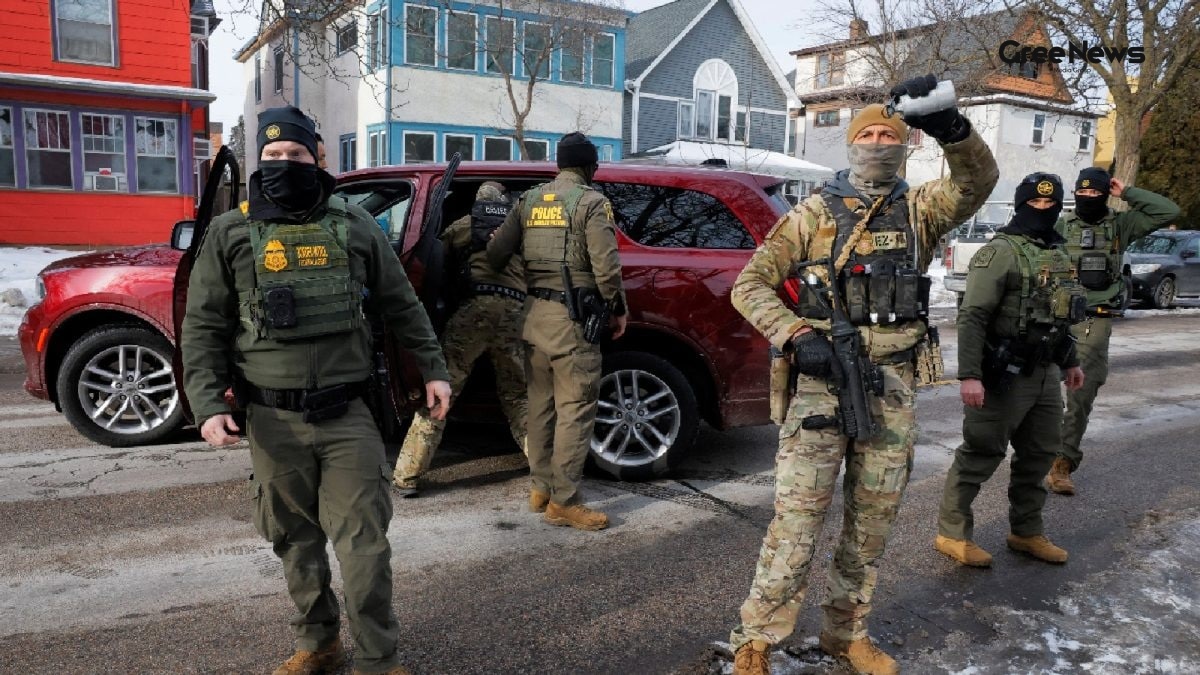
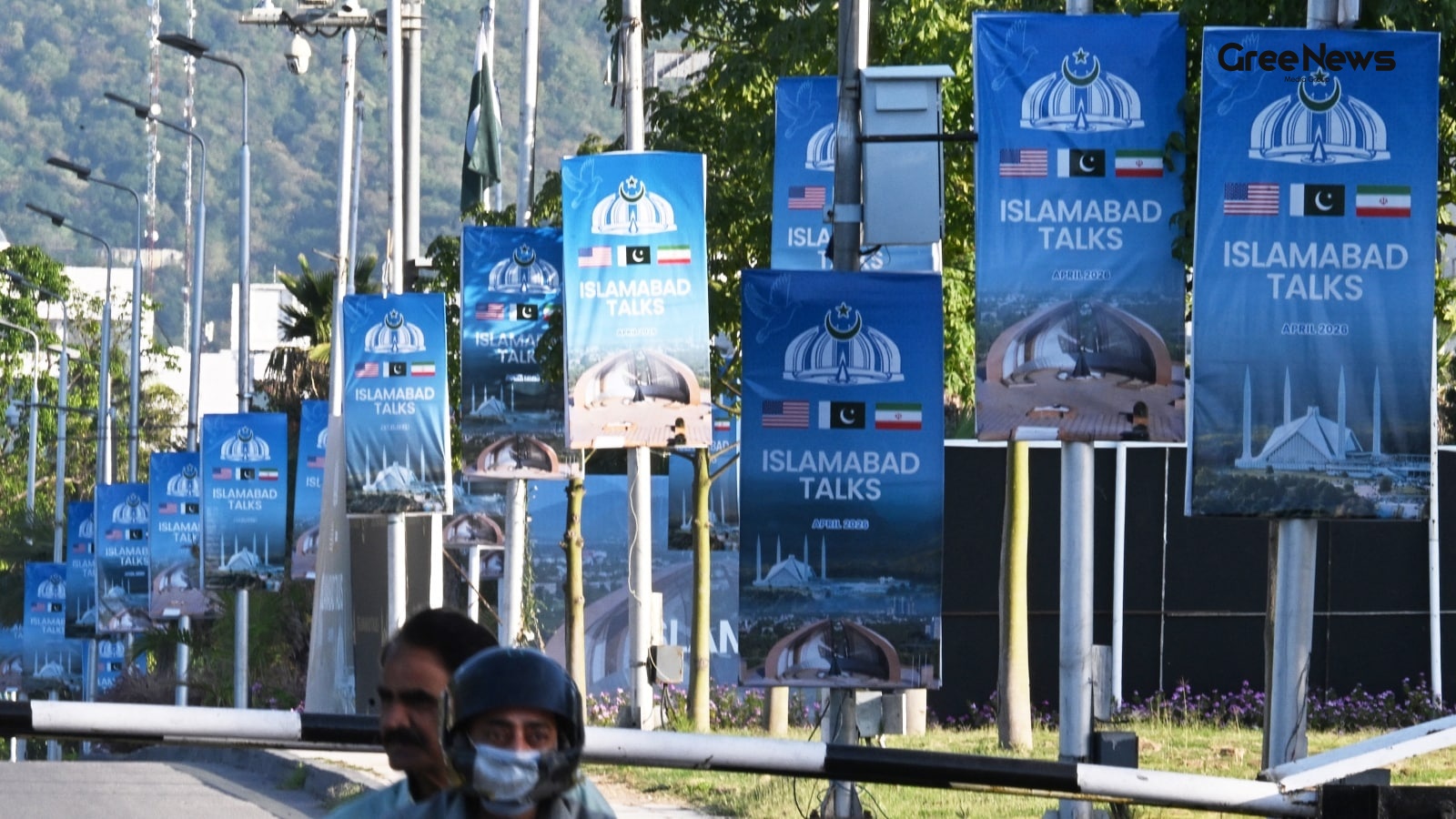
Restrictions prevailed in Islamabad despite the peace talks being postponed after US Vice President JD Vance’s trip to the Pakistani capital was called off due to Iran’s no‑show. Pakistan’s security forces had enforced strict restrictions on the “red zone" near the negotiating venue by closing key roads, shutting shops and schools, and ordering government officials to work from home.
Major roads have been closed in recent days to facilitate the arrival of foreign delegations and US cargo planes delivering equipment. Some measures from the first round of US‑Iran talks in Islamabad, which ended without an aGreement, have never been lifted.
Many residents had hoped that the negotiations would bring an end to the restrictions that have put some areas in Islamabad under a virtual lockdown. With Pakistan’s economy already struggling, the initial euphoria over Pakistan’s global image has started fraying, exposing the growing impatience of the people with the restrictions in Islamabad.
‘We Don’t Find Food’
“Personally I do find it very annoying. My time is wasted. Transport fares have increased. But I am happy that we are doing something positive," she added, reflecting that despite the hardships, there is still a faint hope that the security measures might eventually lead to a positive outcome. In most cases, people try to find a silver lining, even when the clouds look endless.
The regulations have also affected small business owners and daily‑wage workers whose incomes have already been reduced. Large industries were not immune to the impact, as Attock Refinery Limited (ARL) was forced to halt operations due to security measures.
“The impact of the lockdown is that we are not seeing any customers here in the market… the government does not know what one day of their lockdown does to our households," Muhammad Ahsan, 35, the owner of a small jewellery kiosk, told me. “Our stoves do not run, we did not find food." His words struck a chord I could see the empty shelves in his modest stall, the quiet hum of a market that used to be alive with chatter and bargaining. Many people were surprised by this sudden quiet, which was more than just a temporary inconvenience.
What happened next is interesting: a few days after these statements, a few nearby shops tried to reopen under a special permit, only to be shut down again when security forces mandated another round of checks. It was like watching a tug‑of‑war between locals trying to earn a living and authorities following strict protocols.
Peace Talks Uncertain
The future of peace talks remained uncertain, even as US President Donald Trump said they could resume by Friday after Iran presented a unified proposal to end the war. The naval blockade around the Strait of Hormuz has impacted trade flows in Iran, emerging as a crucial sticking point in peace talks.
Earlier, Iran refused to negotiate under what it described as the “shadow of threats", with tensions escalating further after the capture of an Iranian vessel, which threatened to derail the ceasefire. Iran also seized two ships in the Strait of Hormuz after US President Donald Trump announced an indefinite extension of the ceasefire.
Even though the headlines read like breaking news and the story kept trending on viral news portals, the everyday reality for us on the streets of Islamabad was very different. People kept asking, “When will this end? When will we get back to normal?” The answer seemed to drift further away with each new development, and that uncertainty made the already fragile situation even more volatile.
In most cases, my neighbours would gather at the local chai stall, sip their tea, and discuss the latest developments, trying to make sense of the political chessboard while worrying about the next day’s meal. It was a strange mix of “latest news India” talk and “India updates” about a situation that technically wasn’t in India but still felt very close because of the regional impact.
And then there was the moment when the security cordon was briefly lifted for a short period a glimpse of normalcy that made many of us hopeful. However, that window closed quickly, and the restrictions tightened again, leaving many feeling like they were stuck in a loop.
To be honest, the whole scenario highlighted how geopolitics can trickle down to the smallest alleys and homes. When a country like Pakistan becomes the stage for US‑Iran negotiations, the stray effects are felt by shopkeepers, students, and families who just want to eat on their plates without worrying about whether the road to their market will be open tomorrow.
This story, though rooted in Islamabad, has become part of the trending news India discussion, because the ripple effects of these talks affect trade routes, oil prices, and even the cost of a cup of chai in Delhi. The interlinked nature of our economies makes such developments a hot topic for anyone following breaking news.
As I walked back home after another long day of navigating through the cordoned streets, I kept thinking about what the future holds. Will the US‑Iran talks finally bring a breakthrough, or will they stay in a perpetual state of uncertainty, leaving the people of Islamabad in a prolonged red‑zone limbo? Many people were surprised by this caught attention a political stalemate turning into a daily survival struggle.
For now, the city remains under strict watch, and the daily grind continues to be tougher than ever. The hope is that the talks will eventually lead to a real aGreement, allowing the red zone to open up and giving ordinary Pakistanis a chance to resume their everyday lives without the constant shadow of security checks looming over them.
(with inputs from AFP)