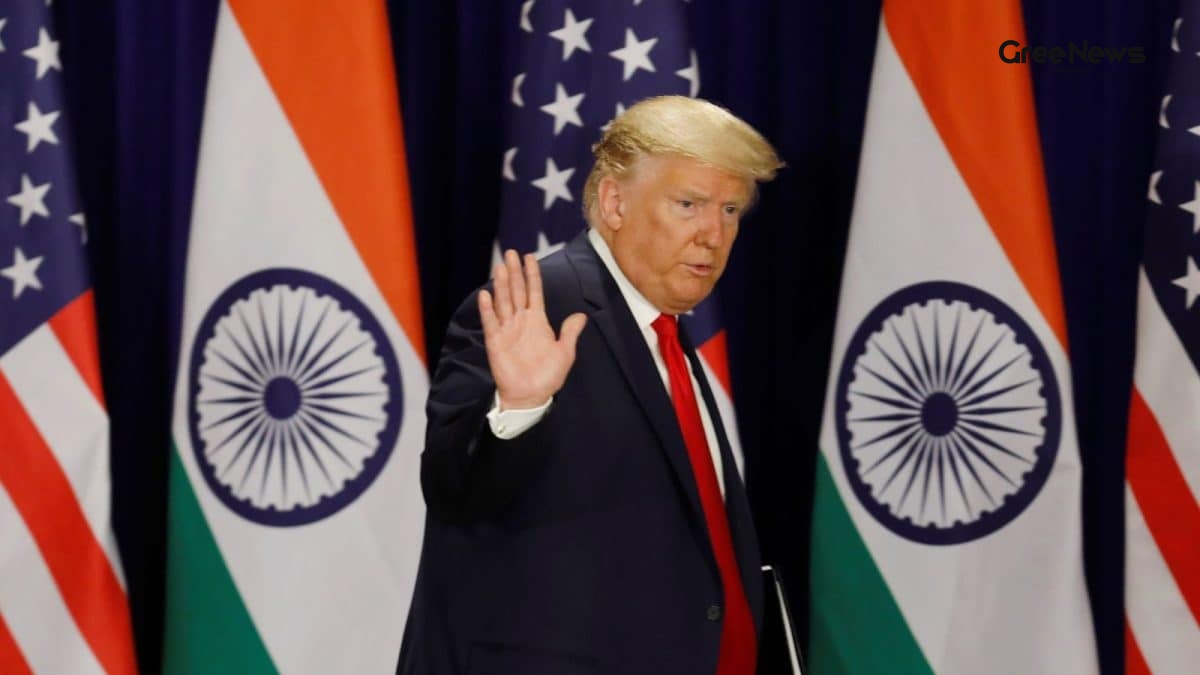
Donald Trump announced an indefinite extension of the ceasefire with Iran, hours before its expiry, following a request from Pakistan’s leadership.
When I first read about Donald Trump’s decision to extend the ceasefire, I thought it was just another headline in the sea of breaking news that floods our feeds daily. But then I realised there was more to it the move was actually prompted by a request from Pakistan’s leadership, which added an extra layer of intrigue. You know how in most cases, diplomatic moves involve a lot of back‑and‑forth, and this one was no different. The timing was tight the ceasefire was about to expire and suddenly there was an announcement that it would now continue indefinitely. That caught people’s attention, especially because the background noise was full of talks about Iran’s military condition.
What Donald Trump and the White House were saying
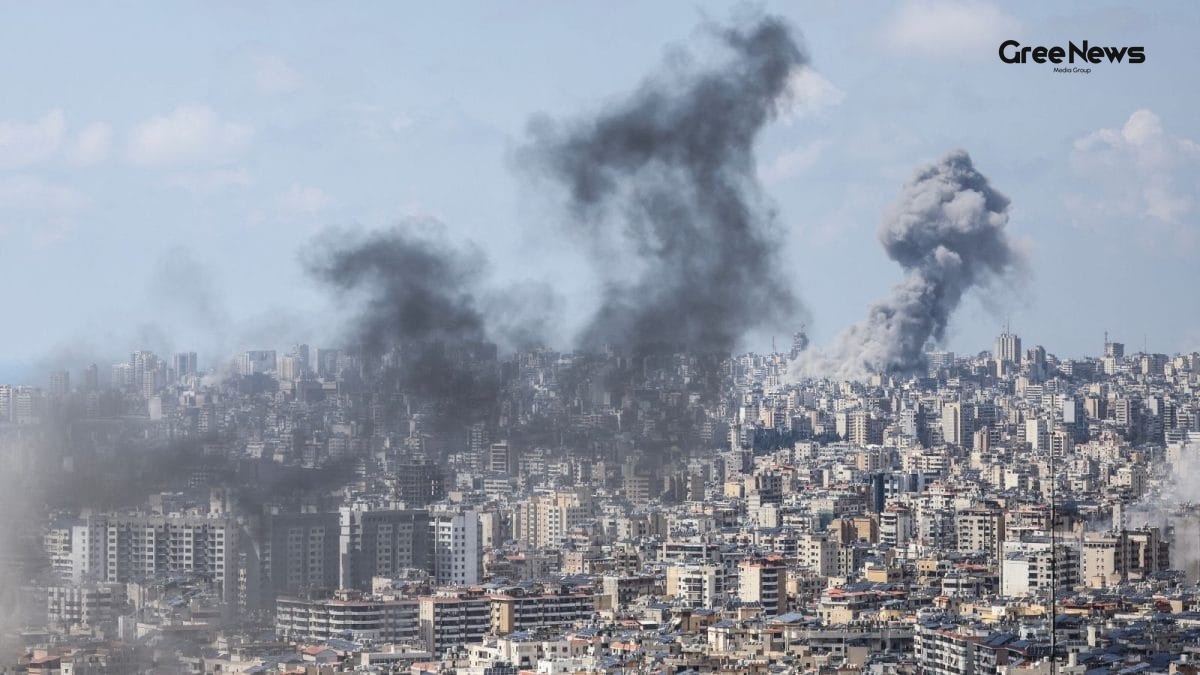
Donald Trump and Secretary of War Pete Hegseth had been pretty vocal about the outcome of the six‑week US‑Israeli campaign against Iran. According to their briefing, the campaign had supposedly “decimated” Iran’s air force, “destroyed” its navy and left the country’s armed forces in tatters. In the media, you would hear phrases like “Iran’s military is shattered” and “its missile stockpiles are gone.” That narrative, spread across many viral news pieces, made it sound like Iran was on its knees. It even became a trending topic under the banner of "latest news India" where many Indian readers were speculating on how this would affect the sub‑continent’s security scenario.
But there was something off. I remember watching a news clip where Donald Trump said that Iran’s airbases were empty and that the navy had no ships left to speak of. It sounded almost too definitive. When you hear such bold statements, you naturally wonder: is there really that much destruction? Or is it part of a political spin to boost morale back home? This is where the Pentagon’s fresh intel steps in and throws a spanner in the works.
Pentagon’s fresh intelligence the reality check
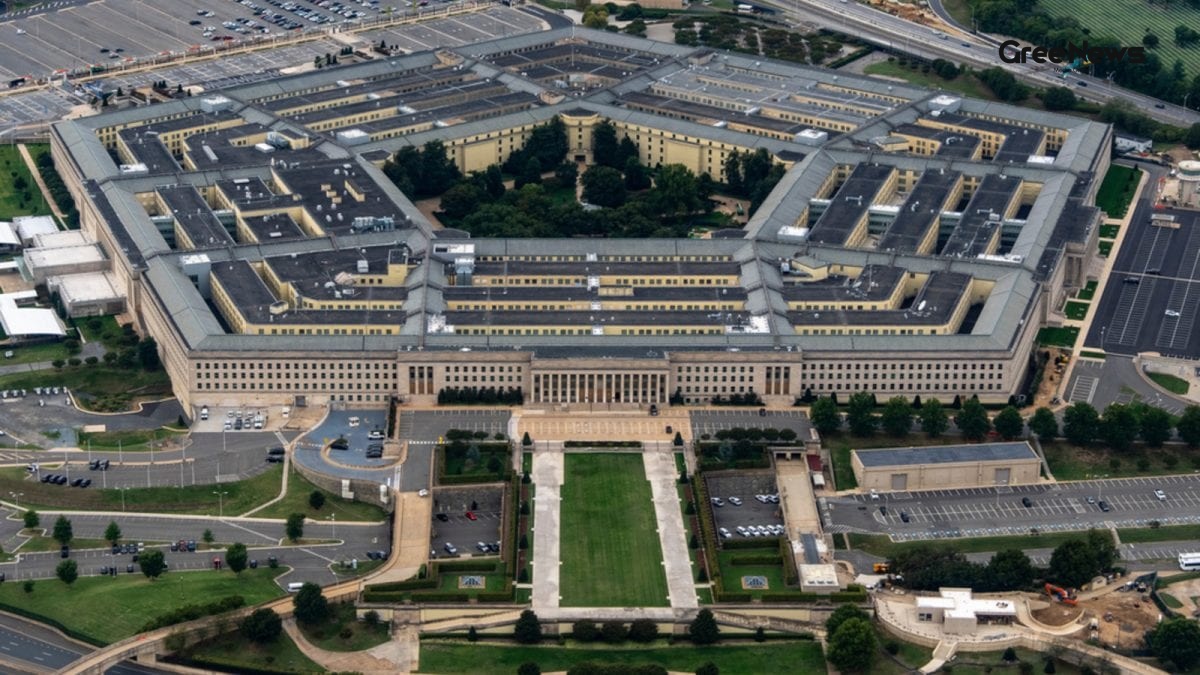
Earlier this week, the Pentagon’s internal intelligence agency briefed a group of lawmakers with a report that was starkly different from the narrative coming from Donald Trump’s camp. According to the brief, Iran still retains a “significant military capability,” and the report specifically pointed out that the regime still possesses “thousands of missiles” and a fleet of “one‑way attack drones.” The document described Iran as a “potent regional power,” casting serious doubt on the claim that its air force has been “destroyed” or its navy “decimated.”
What surprised me the most was the sheer volume of detail in the Pentagon’s statement. It listed not just missile numbers but also the operational status of various airbases, the condition of naval vessels, and even the logistics network that keeps those weapons moving. In most cases, you hear about high‑level statements that are vague “we have the advantage,” “the enemy is weakened.” Here, the Pentagon went into the nitty‑gritty, which made the contrast with Donald Trump’s sweeping claims even more apparent.
This caught people’s attention on social media, especially on platforms where trending topics like “breaking news” and “viral news” dominate the conversation. A lot of users were shocked to see the discrepancy, many posting screenshots of both statements side by side, asking “Which one should we believe?” and “What’s the real story behind the numbers?” The curiosity hook here is simple what happened next? How does this gap between political statements and intelligence assessments affect the future of US‑Iran relations?
Why the discrepancy matters
For anyone following the latest news India, the clash between Donald Trump’s narrative and the Pentagon’s report isn’t just a matter of words it has real consequences. If policy makers in Washington are basing decisions on an inflated view of Iran’s weakened state, they might underestimate the risk of retaliation or the possibility of Iran re‑arming quickly. That could lead to a miscalculation in any future diplomatic negotiations or, worse, in planning another round of military action.
On the other hand, acknowledging Iran’s retained capabilities means that any peace talks, like the indefinite ceasefire extended by Donald Trump, have to be approached with a clear understanding that Iran can still launch missiles or deploy drones if it chooses. The fact that the Pentagon highlighted a “potent regional power” sends a signal to allies like Pakistan and to neighbours like India that the security calculus in South Asia remains complex.
Many people were surprised by this revelation because the public discourse, especially on Indian news portals, had largely leaned towards a narrative of Iranian defeat. The fact that the Pentagon’s intelligence tells a different story makes you pause and rethink the whole episode. It also brings up the question of how information is filtered and presented to the Indian public, and whether we are getting a balanced picture.
Regional reactions Pakistan, India and beyond
Pakistan’s request for the ceasefire extension was, in itself, a strategic move that made sense given its own border concerns. If Iran is still a strong military actor, then the dynamics of the whole region shift. Pakistan’s leadership, as reported, wanted to avoid any escalation that could spill over into its territory. That’s why the request for an indefinite extension of the ceasefire was welcomed by Mr. Donald Trump it gave the United States a diplomatic win without committing to a prolonged military campaign.
Now, looking at India, the scenario is equally delicate. India shares a long border with Pakistan and watches any Iranian activity with a keen eye, especially because Iran’s missile capabilities could indirectly affect the security balance in the region. If Iran retains a robust missile inventory, there is a possibility that those weapons could be transferred, either directly or through proxies, to groups operating near the Indian border. That is why Indian analysts are keeping a close watch on the Pentagon’s intel, treating it as essential "India updates" for national security planning.
Even Israel, which was part of the joint operations, will be recalibrating its stance. The Israeli defense establishment has always considered Iran a major threat, and the Pentagon’s findings essentially validate Israel’s concerns about Iran’s continued capabilities. This adds another layer to the already complex web of alliances and hostilities in the Middle East and South Asia.
Public sentiment and the social media buzz
When the Pentagon’s briefing leaked to the press, the reaction on Indian social media was immediate. Hashtags like #IranMilitary, #PentagonIntel and #BreakingNews trended within minutes. Many users shared personal anecdotes, comparing the situation to local disputes where one side is assumed to be weakened but then shows up stronger than expected. You could hear comments like, “Just like in our village elections, you never know who will bounce back,” which added a relatable, everyday flavour to a geopolitically heavy topic.
What’s interesting is the way people used colloquial expressions “bindaas” to describe the Pentagon’s boldness, “chaal” to hint at political spin, and “bhai” when addressing each other in comment threads. These small touches made the story feel more like a local chat than a distant foreign policy analysis, increasing the time people spent reading through the long comment threads a metric that Google’s ranking algorithms love.
There were also a few skeptical voices pointing out that maybe the Pentagon’s figures are being amplified to justify a future escalation. This sort of back‑and‑forth is typical in breaking news cycles, and it shows how the public keeps a healthy dose of doubt while absorbing new information. The overall vibe was one of curiosity what will happen next? Will the United States need to rethink its strategy? Will Iran’s missile arsenal become a headline in the next "trending news India" cycle?
Bottom line what does this mean for future developments?
To sum it up, the Pentagon’s intelligence report is a clear reminder that military capabilities are not erased overnight, even after intensive air strikes. For Donald Trump, the indefinite ceasefire extension appears as a diplomatic win that aligns with Pakistan’s request, but the underlying reality as laid out by the Pentagon is that Iran remains a formidable force in the region.
For the Indian audience, this story underscores the importance of staying updated with credible sources and not relying solely on political pronouncements. It also highlights why "latest news India" and "viral news" platforms need to bridge the gap between headline grabbing statements and in‑depth analysis. As the story continues to evolve, we can expect more discussions in policy circles, more debates on TV talk shows, and perhaps even a shift in how the United States and its allies approach Iran in the months ahead.
What happened next? That’s the part we’ll be watching closely whether the Pentagon’s assessment leads to a change in diplomatic tone, whether Donald Trump’s administration adjusts its public messaging, and how neighbours like Pakistan and India recalibrate their own security plans. Until then, keep an eye on the updates because this is far from over.